
Cycling Mongolia: Elegant, Wilderness‑Ready Tips for a Ride Across the Steppe
Mongolia is a place where cyclists can ride for hours across open steppe, see more herds than cars, and end the day in a traditional ger under an enormous night sky. The freedom is unmatched, but so are the demands: rough tracks, extreme temperatures, long distances between services, and limited infrastructure mean that preparation is as important as enthusiasm.
Below is a carefully curated guide for travellers joining organised cycling tours in Mongolia—whether the journey is a gentle introduction near Ulaanbaatar, a multi‑day Gobi‑edge adventure, or a longer expedition across the central steppes and historic valleys.
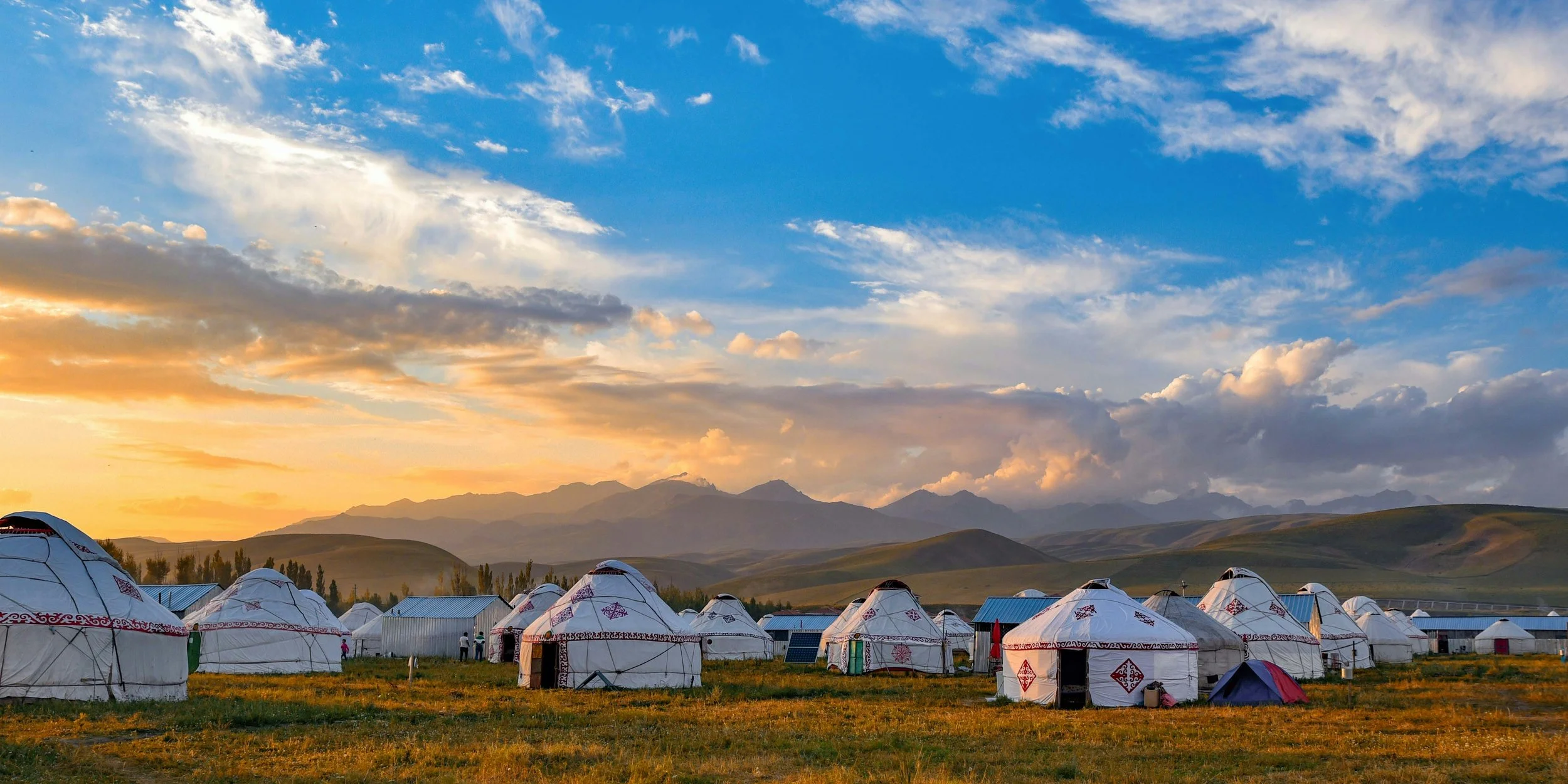
Getting into the Mongolia cycling mindset
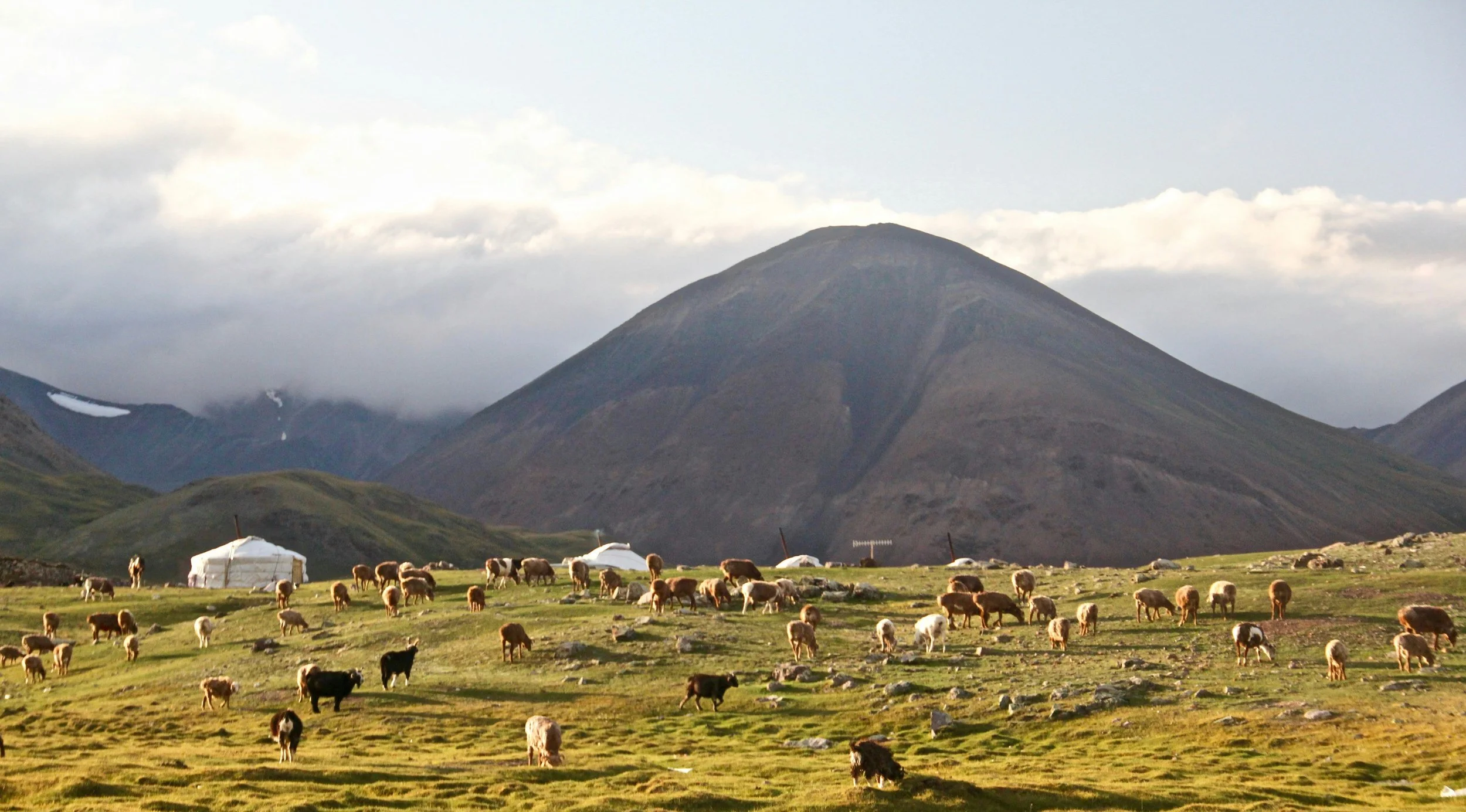
Mongolia is often described as “empty” in the best possible way: it has one of the lowest population densities on Earth, with huge spaces between settlements and an almost uninterrupted horizon. For cyclists, that means a powerful sense of solitude and wilderness—but also long stretches without shops, shade, or quick assistance.
Most tours mix cycling with vehicle support, carrying luggage, camping gear, and supplies so riders can focus on the experience rather than survival logistics. Adopting an expedition mindset—accepting dust, wind, fluctuating weather, and the occasional very long day—helps travellers enjoy the journey instead of being surprised by its intensity.
When and where to ride in Mongolia
Timing is critical in a country with harsh winters and short summers.
Many cycling specialists highlight summer (roughly June to September) as the best period for riding in Mongolia, bringing daytime temperatures around 20–30°C and cooler evenings. Outside this window, winter cold and shoulder‑season chill make cycling uncomfortable or even dangerous in many regions.
Common areas and styles of guided cycling tours include:
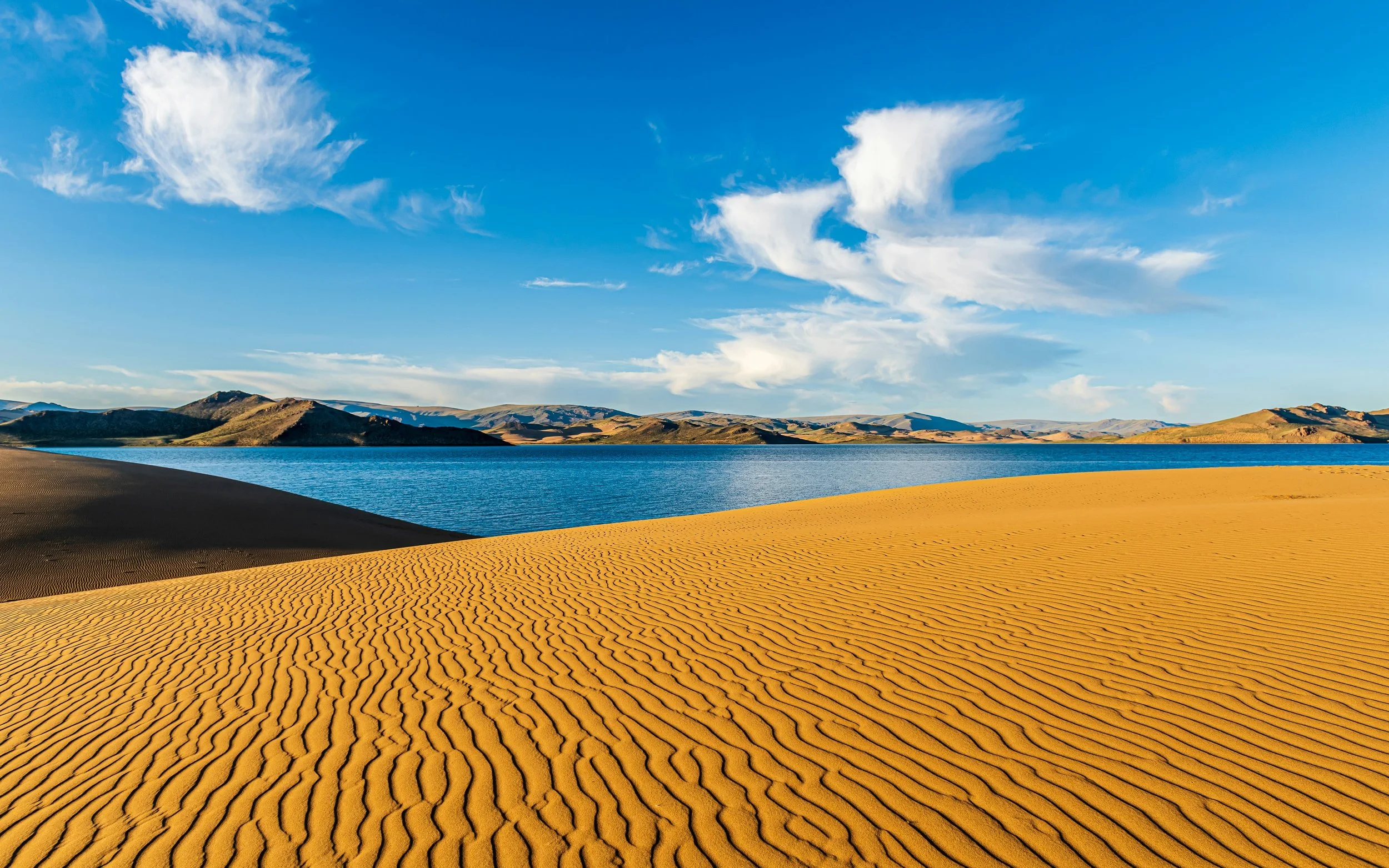
Central steppes (around Kharkhorin, Orkhon Valley, Elsen Tasarkhai): Rolling grasslands, sand dunes, rivers, and historic sites linked to the Mongol Empire, ideal for classic steppe experiences.
Gobi fringes and desert‑steppe zones: Rougher tracks, more arid landscapes, and big distances between wells and settlements, better suited to riders comfortable with heat and remoteness.
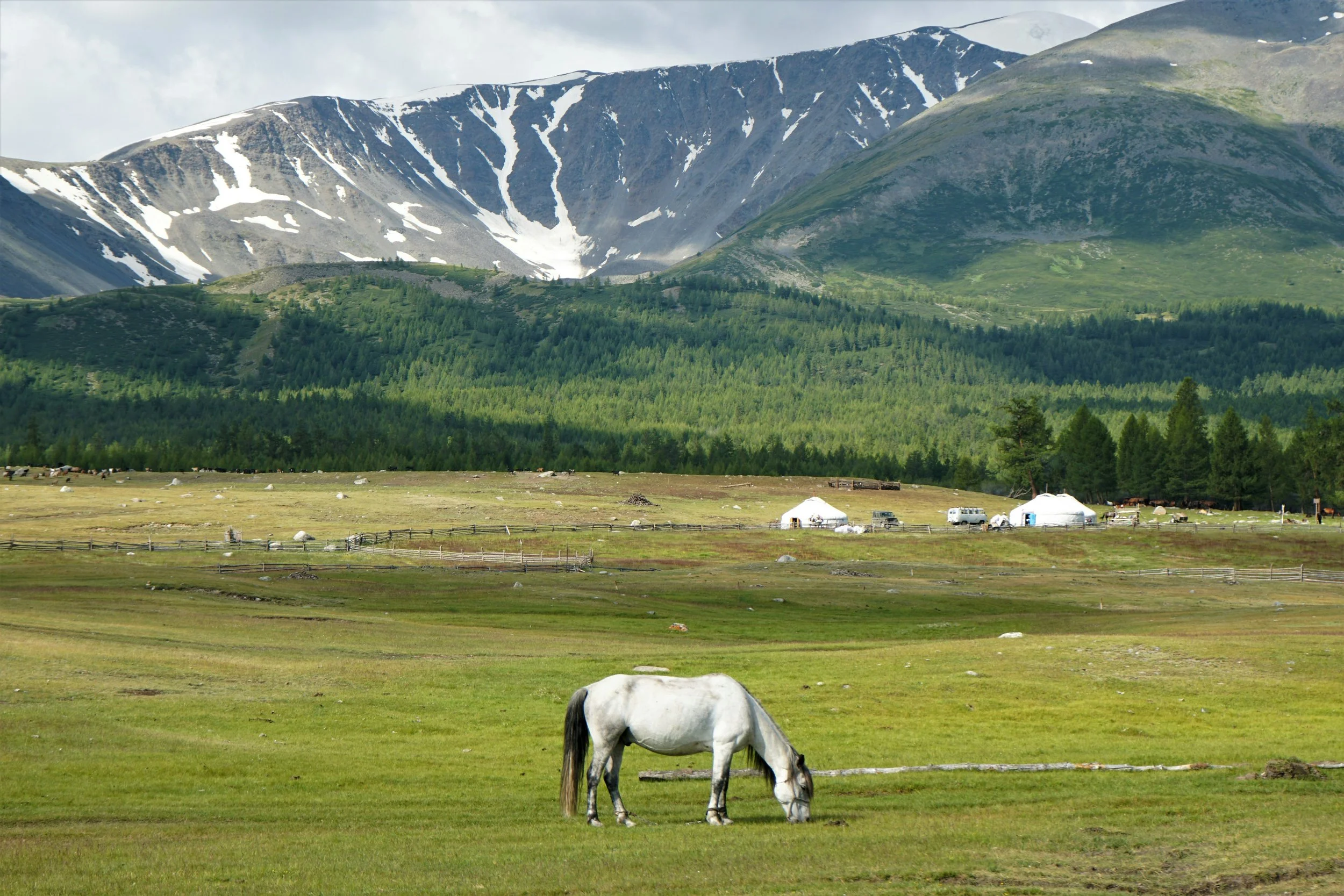
Northern and mountain regions (towards Khovsgol or Altai areas): Hillier terrain, forests, lakes, and sometimes more technical tracks; rewarding but logistically more complex.
Multi‑day tours often alternate between cycling sections and transfer stages by vehicle to manage distance, weather, and terrain. When choosing a tour, it is essential to be honest about fitness level, comfort with camping, and appetite for rough roads and basic facilities.
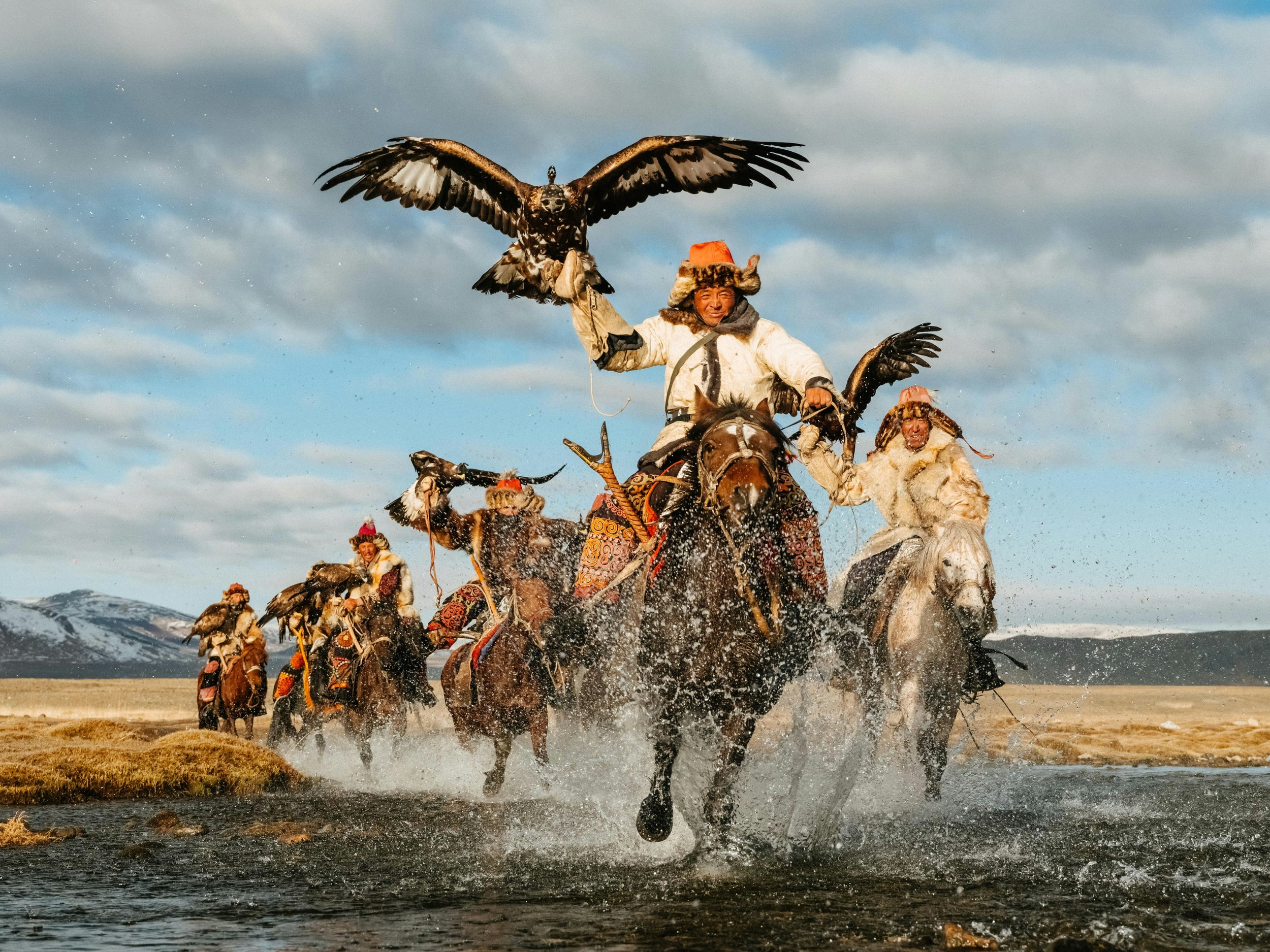
Packing smart for a Mongolia bike tour
On‑bike gear
Tour operators usually supply bikes and basic equipment, but personal gear dramatically influences comfort and safety.
Helmet: Non‑negotiable; rural roads can be rough, with ruts, sand, and livestock, and emergency response outside cities is limited.
Sturdy tyres and repair kit (through the operator): Puncture‑resistant tyres and spares are very important on rocky and unpaved tracks, and reputable operators plan for this.
Cycling clothing: Layerable, quick‑dry pieces—padded shorts, breathable jerseys, and light windproof shells—are ideal for temperature swings between warm days and cool or cold evenings.
Gloves and sunglasses: Help with vibration, dust, wind, and strong sunlight.
Lights and reflective details: Even if night riding is avoided, low visibility, early starts, or tunnels make a small front and rear light useful.
Off‑bike clothing
Mongolia’s climate can swing between hot sun and chilly winds on the same day, and nights can be cold even in summer.
Base layers, a warm mid‑layer (fleece or light insulated jacket), and a windproof or waterproof outer layer.
Comfortable trousers and tops that provide coverage and warmth in the evenings and respect local norms in family gers and smaller towns.
Warm hat and gloves for nights and early mornings; temperatures can drop sharply on the steppe.
Sturdy sandals or camp shoes, plus closed shoes or boots suitable for uneven ground around camps.
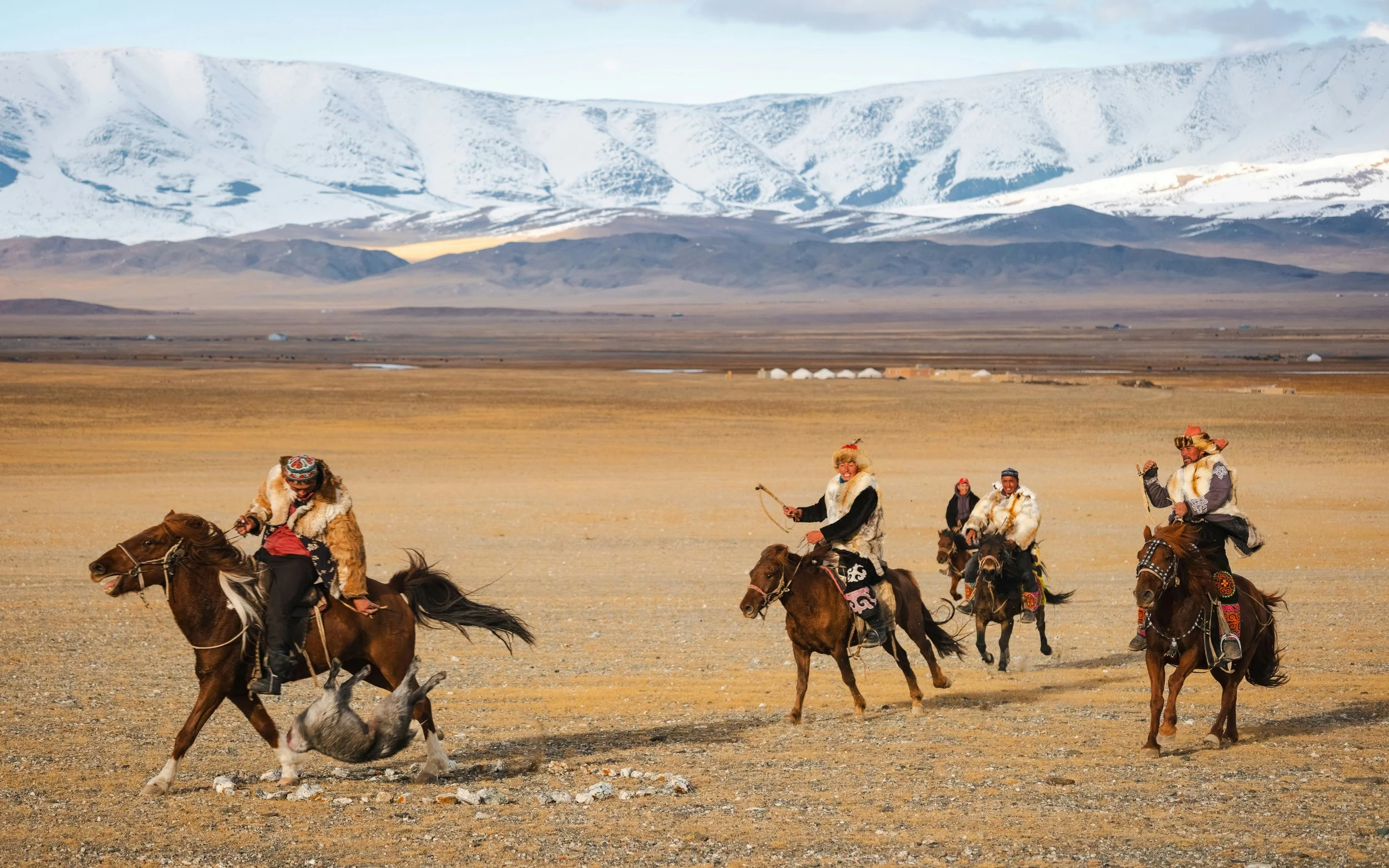
Documents and small essentials
Passport, any necessary visa documentation, proof of travel insurance (including remote evacuation), and copies stored separately.
Personal hygiene items and a compact first‑aid kit, as supplies can be limited once outside Ulaanbaatar.
Power bank and possibly a solar charger, because electricity access in camps can be limited or shared.
Health and healthcare: staying well in remote landscapes
There are no mandatory vaccinations for entry to Mongolia for most travellers, but health organisations recommend specific vaccines and careful pre‑trip planning.
Commonly recommended vaccines for many visitors include hepatitis A, hepatitis B, typhoid, and tetanus‑diphtheria, with others such as rabies, MMR, and sometimes tick‑borne encephalitis or Japanese encephalitis considered depending on itinerary and activities. Travellers are usually advised to see a health professional 4–8 weeks before departure to tailor advice to their route and medical history.
Practical health points on the road:
Food and water: Stomach illnesses are a common travel issue worldwide; boiled, treated, or bottled water and careful food hygiene are important in gers, camps, and roadside stops.
Cold, wind, and sun: Hypothermia is a real concern in cold conditions, while summer rides still bring strong sun exposure; layering and sunscreen both matter.
Limited rural healthcare: Ulaanbaatar has the best facilities, but rural clinics are basic and long distances can delay treatment; travel insurance with medical evacuation is strongly recommended.
Discussing any chronic conditions and altitude or cold sensitivity with a doctor before the trip, and informing tour leaders, helps manage risk on remote rides.
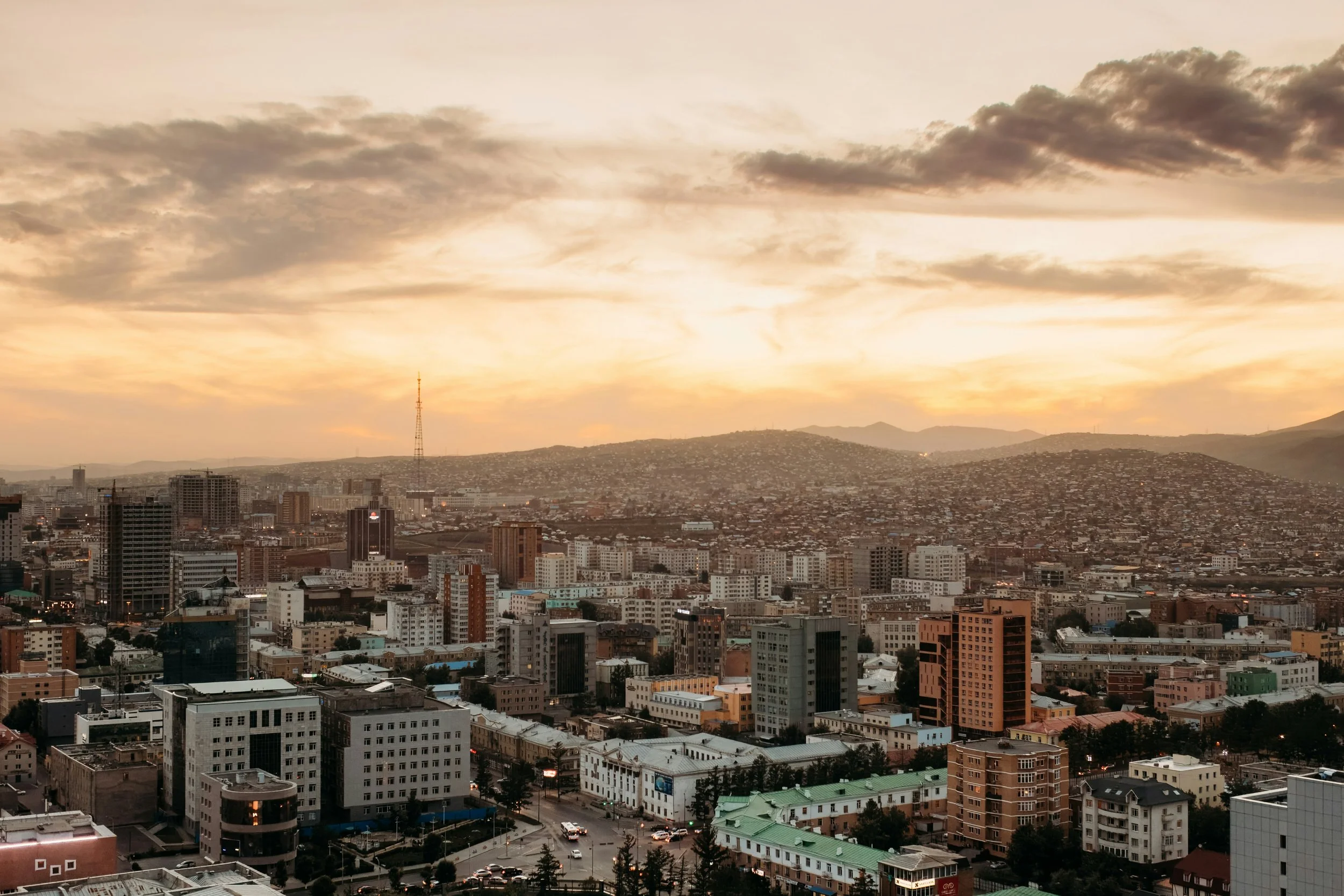
Culture, dress, and respectful behaviour
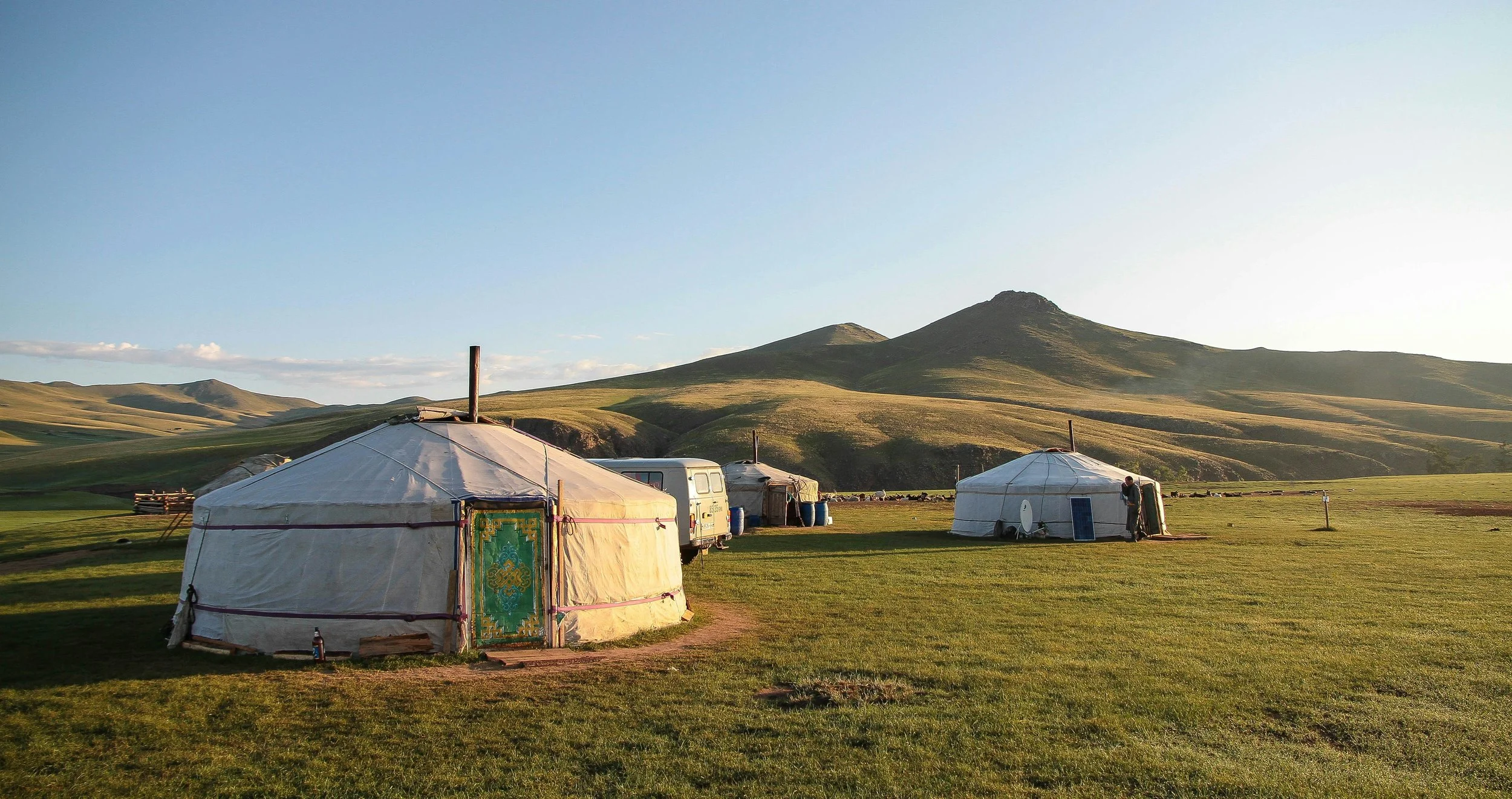
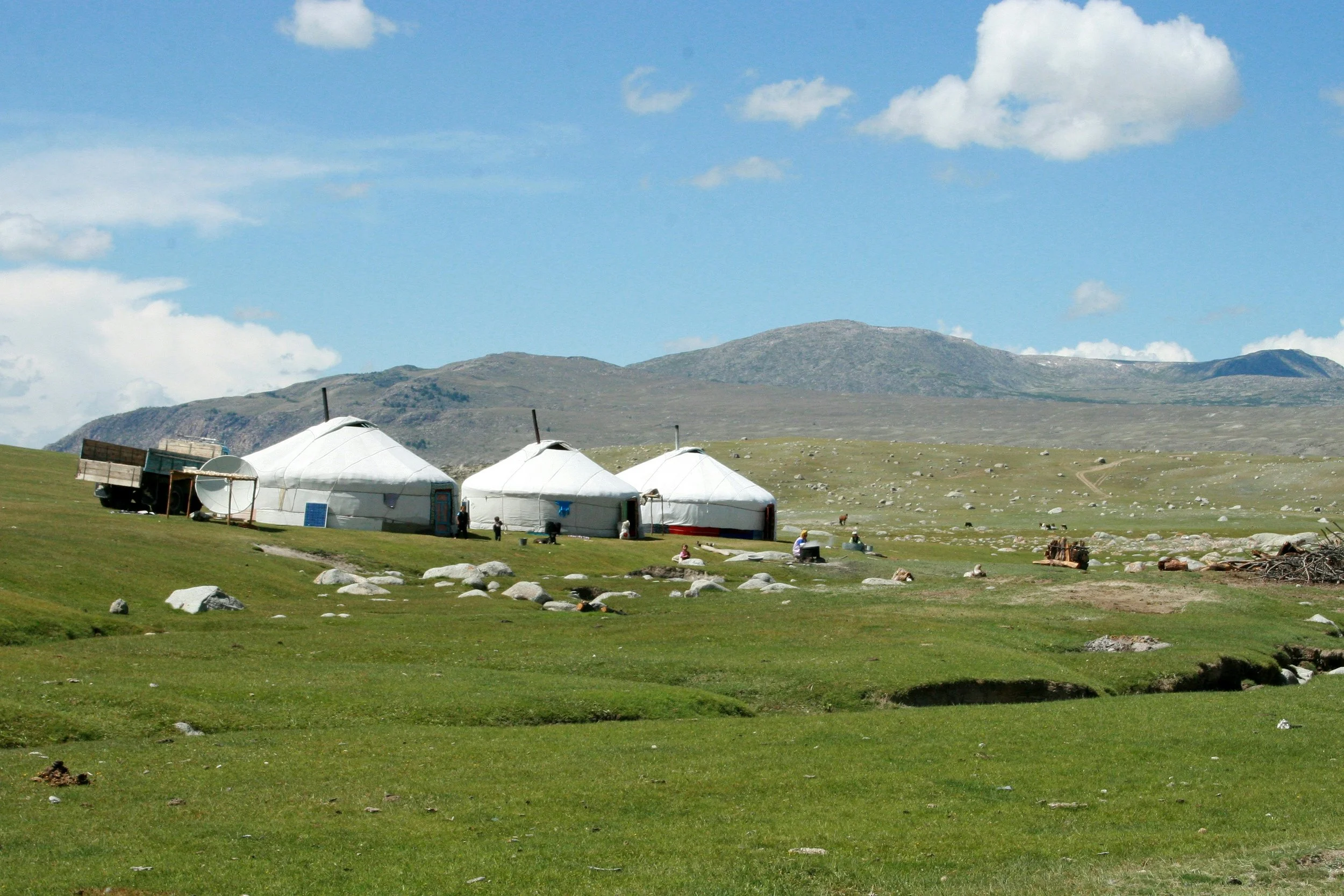
Mongolia’s nomadic traditions remain very much alive, and cyclists visiting family gers or staying in ger camps are effectively entering someone’s home culture rather than a formal tourist zone.
Dress modestly and practically in and around gers: covered shoulders and knees are respectful, and removing shoes before entering is often expected.
Observe ger etiquette: Avoid leaning against support poles, do not step on thresholds, and follow hosts’ guidance on where to sit and how to move inside.
Respect livestock and herding life: Do not disturb animals, ride too close to herds, or climb fences or corrals without permission.
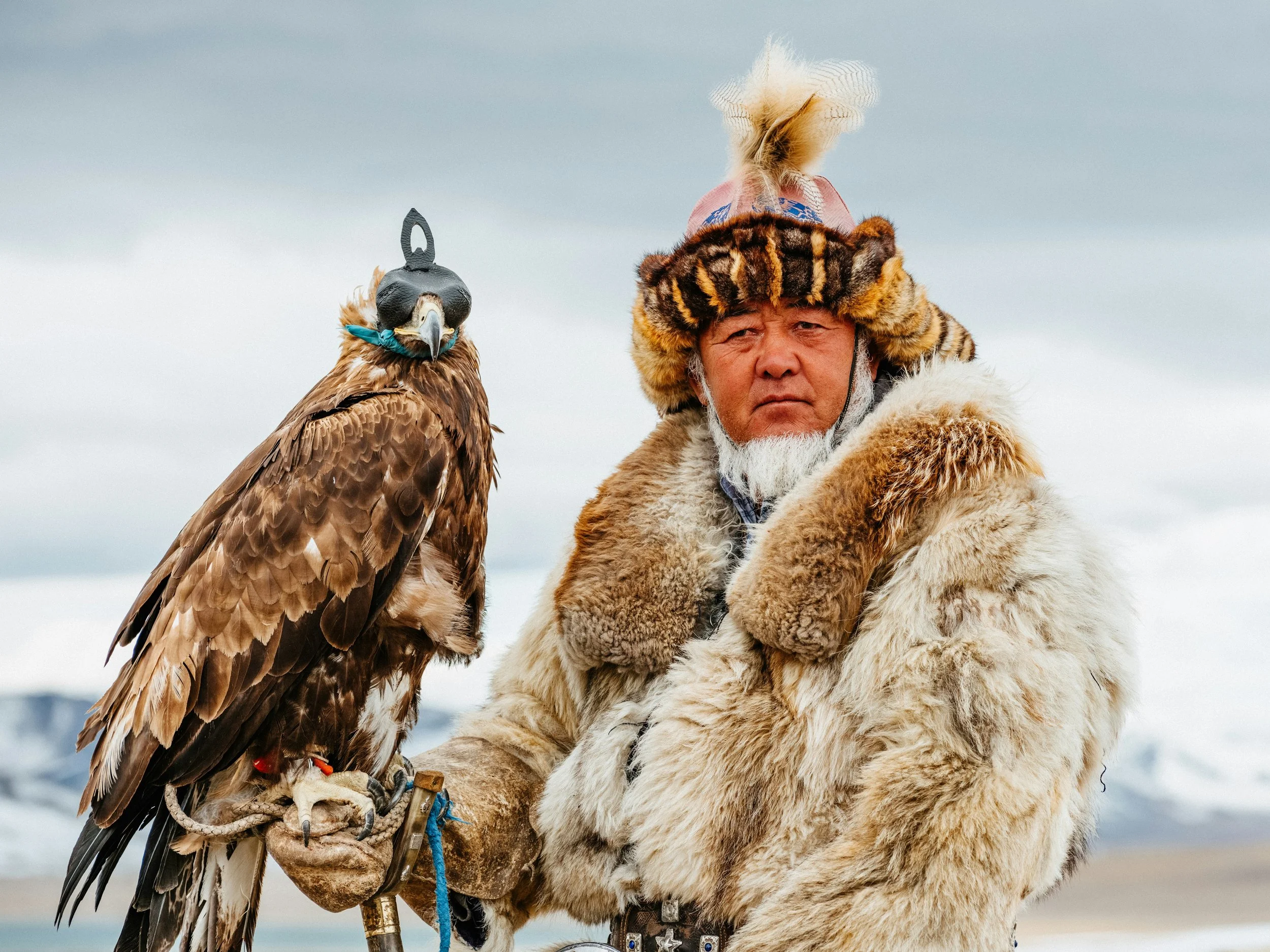
Asking permission before taking close‑up photographs of people, families, or religious sites helps build trust, and small gestures—such as accepting offered tea or dairy snacks when appropriate—convey appreciation for nomadic hospitality.
Laws, road rules, and responsible riding
Mongolia’s paved road network radiates from Ulaanbaatar, but much of the country still relies on gravel tracks, jeep trails, or informal paths across open steppe. For cyclists, that means a blend of vehicle‑supported segments on main roads and more adventurous off‑road stretches.
Traffic and road conditions: Outside major towns, drivers share limited paved roads with livestock, slow trucks, and occasional poor surfaces; off‑pavement, sandy or rutted tracks are common.
Night travel: Several security and travel advisories emphasise avoiding night driving outside cities due to poor road conditions, drunk driving, livestock on roads, and limited emergency response. Guided tours typically avoid cycling at night and limit vehicle travel after dark.
Registration and entry: Some nationalities can enter Mongolia for short stays without a visa but must register with immigration if staying beyond a set number of days (for example, within 48 hours for certain visitors); this is usually handled or advised on by agencies, but checking current official rules is essential.
Following guides’ instructions on when to ride, when to load bikes onto vehicles, and where to camp is the most important aspect of risk management on these tours.
Safety: remoteness, petty crime, and weather
Advisories from multiple governments presently recommend normal safety precautions for Mongolia overall, with no general warnings against travel to specific regions. Most serious risks are environmental or logistical rather than related to crime.
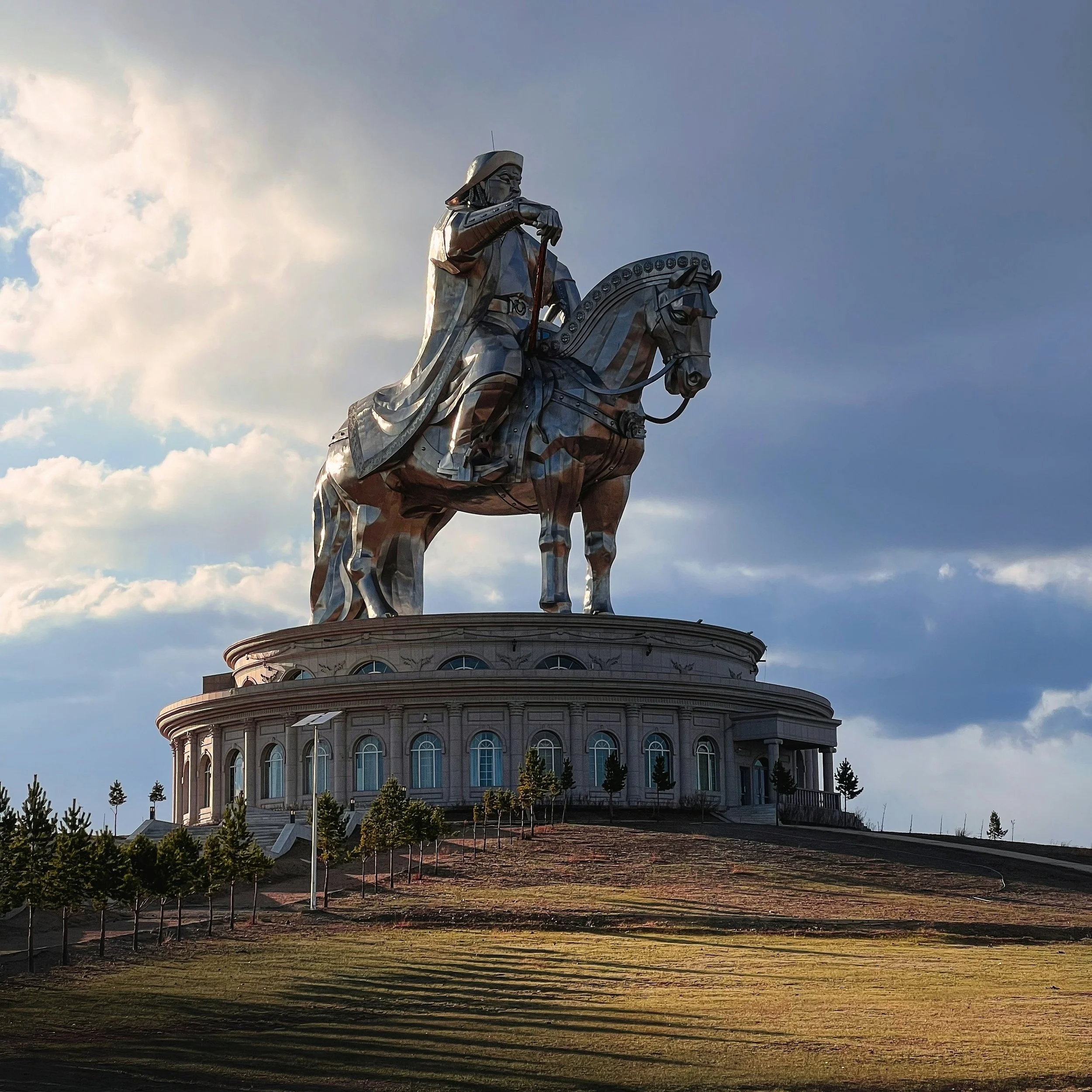
Remoteness and exposure: Long distances between settlements, extreme winter cold, and quickly changing weather mean that being stranded without shelter or support is dangerous. Guided tours mitigate this with support vehicles, planned routes, and contingency plans.
Road and night‑time hazards: Rural night travel is particularly risky because of poor lighting, livestock, rough roads, and limited emergency services; both road‑safety organisations and security reports advise avoiding it whenever possible.
Petty crime in cities: Ulaanbaatar and other larger cities have reported incidents of theft, assault, and robbery, especially in crowded areas and around holidays. Keeping valuables secure, avoiding poorly lit streets late at night, and using trusted transport are standard precautions.
Because evacuation from remote areas may involve long drives or international flights to better‑equipped hospitals, comprehensive insurance and a conservative approach to risk on the trail are strongly recommended.
Money, visas, and everyday logistics
Mongolia is primarily a cash‑based country outside major urban centres.
The local currency is the Mongolian tögrög (MNT); ATMs are available in Ulaanbaatar and other main towns but sparse in rural regions, so travellers typically withdraw enough cash before heading into the countryside. Cards may be accepted in some city hotels, restaurants, and larger shops, but ger camps, small guesthouses, and local stops usually require cash.
Visa arrangements vary by nationality: some travellers can enter visa‑free for short stays, while others need visas in advance or on arrival; only official government sources or embassies should be used to confirm current rules. Registration requirements for longer stays (for example, with the immigration agency after arrival) also need attention and are often managed with the help of tour operators.
Food, homestays, and supporting local communities
Cycling tours in Mongolia often weave together days on the steppe with nights in family gers or small ger camps, creating direct links between tourism and local incomes.
Nomadic stays: Paying for homestays, meals, and cultural experiences (such as horse or camel riding) helps families sustain traditional lifestyles while sharing them with visitors.
Local food: Traditional dishes emphasise meat and dairy, especially mutton, beef, and fermented or dried milk products; communicating dietary needs with tour operators well in advance is important, as options can be limited in remote areas.
Buying small handicrafts or local products where appropriate and leaving camps clean are simple ways to give back to host communities and landscapes.
Final thoughts: silence, sky, and long horizons
A cycling tour in Mongolia is less about ticking sights off a list and more about entering a landscape of long horizons, shifting light, and profound quiet: dust plumes from distant herds, stars that seem close enough to reach, and the rhythm of pedalling across a land with almost no fences.
With deliberate preparation—choosing the right season and route, packing for both warmth and rough terrain, respecting nomadic culture, planning carefully for health and safety, and relying on experienced local guides—a Mongolia cycling tour becomes an elegant form of wilderness travel, where each kilometre deepens the sense of freedom rather than amplifying risk.
*Disclaimer: This article was researched and drafted with the assistance of artificial intelligence (AI)
