Pedaling Vietnam: Practical Tips for Your First Guided Cycling Tour
Vietnam is one of the best countries on Earth to discover by bicycle: quiet backroads, rice paddies, friendly locals, and food that makes every climb worth it. Before you clip in, though, a bit of preparation will make your cycling tour smoother, safer, and much more enjoyable.
Below is a personal-style guide written especially for travelers joining a cycling tour in Vietnam, whether it’s a gentle countryside ride around Hoi An or a multi‑day adventure in the mountains.
Get your mindset right
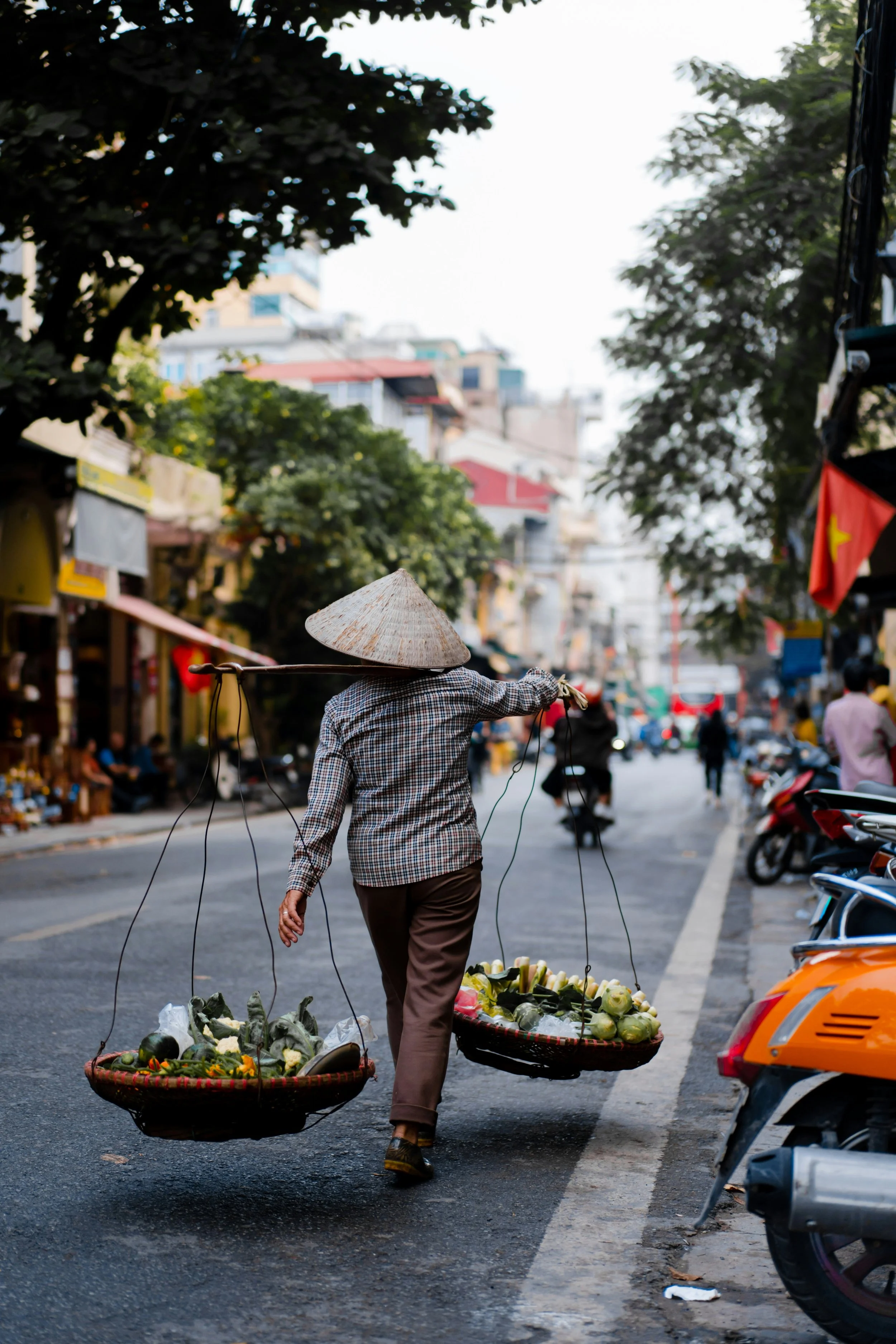
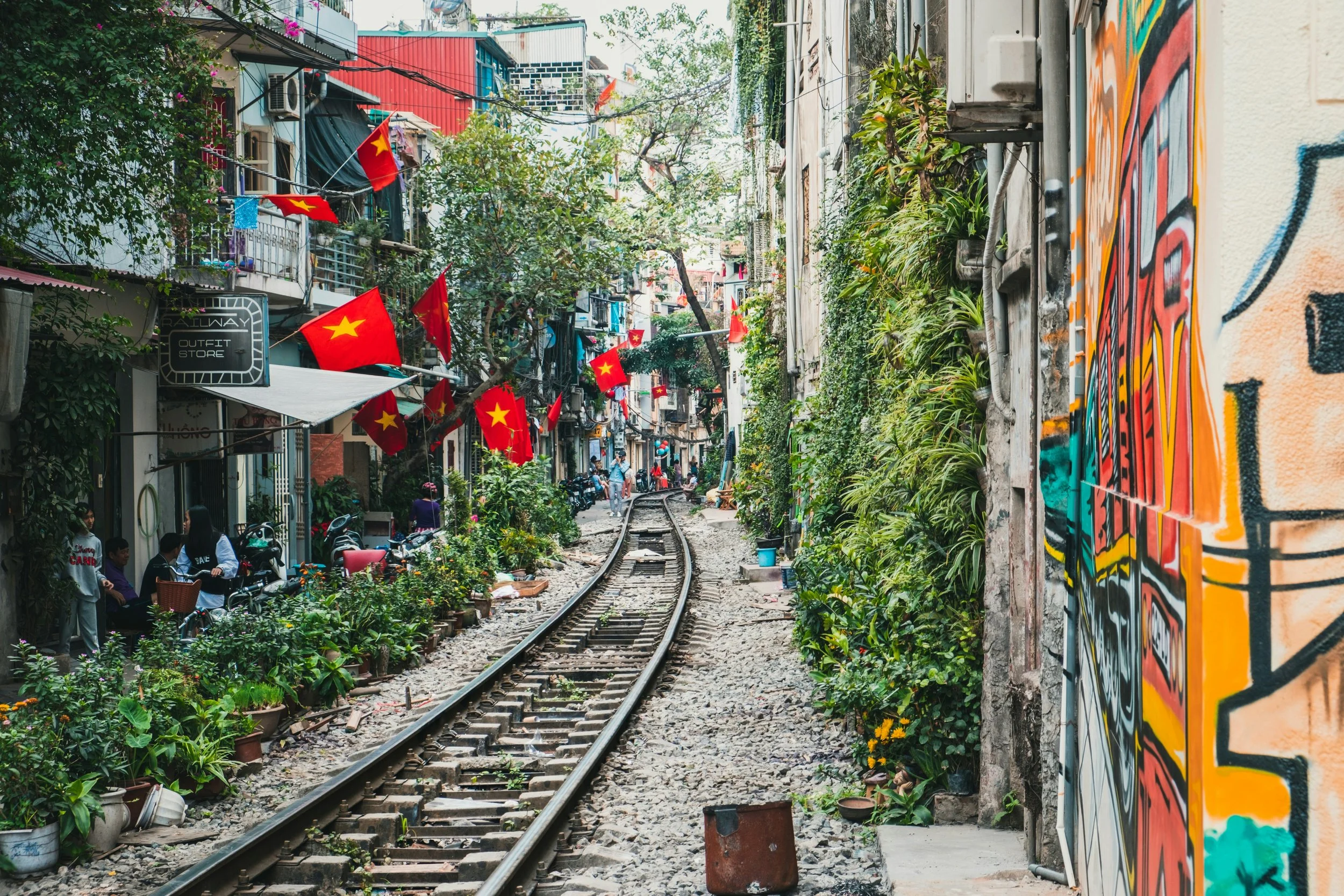
Vietnam is beautiful, intense, and occasionally chaotic. On a bike, you feel all of it at close range.
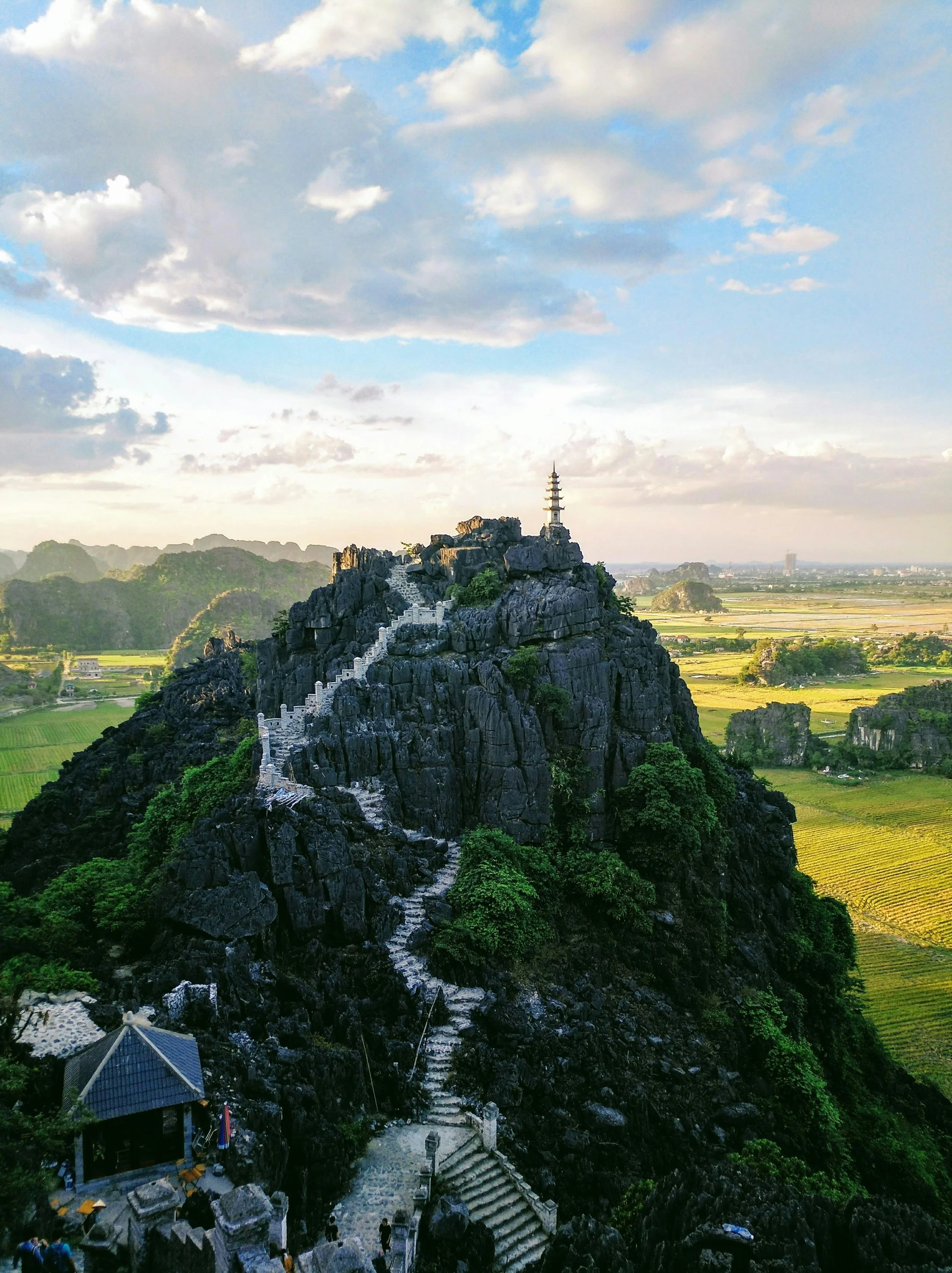
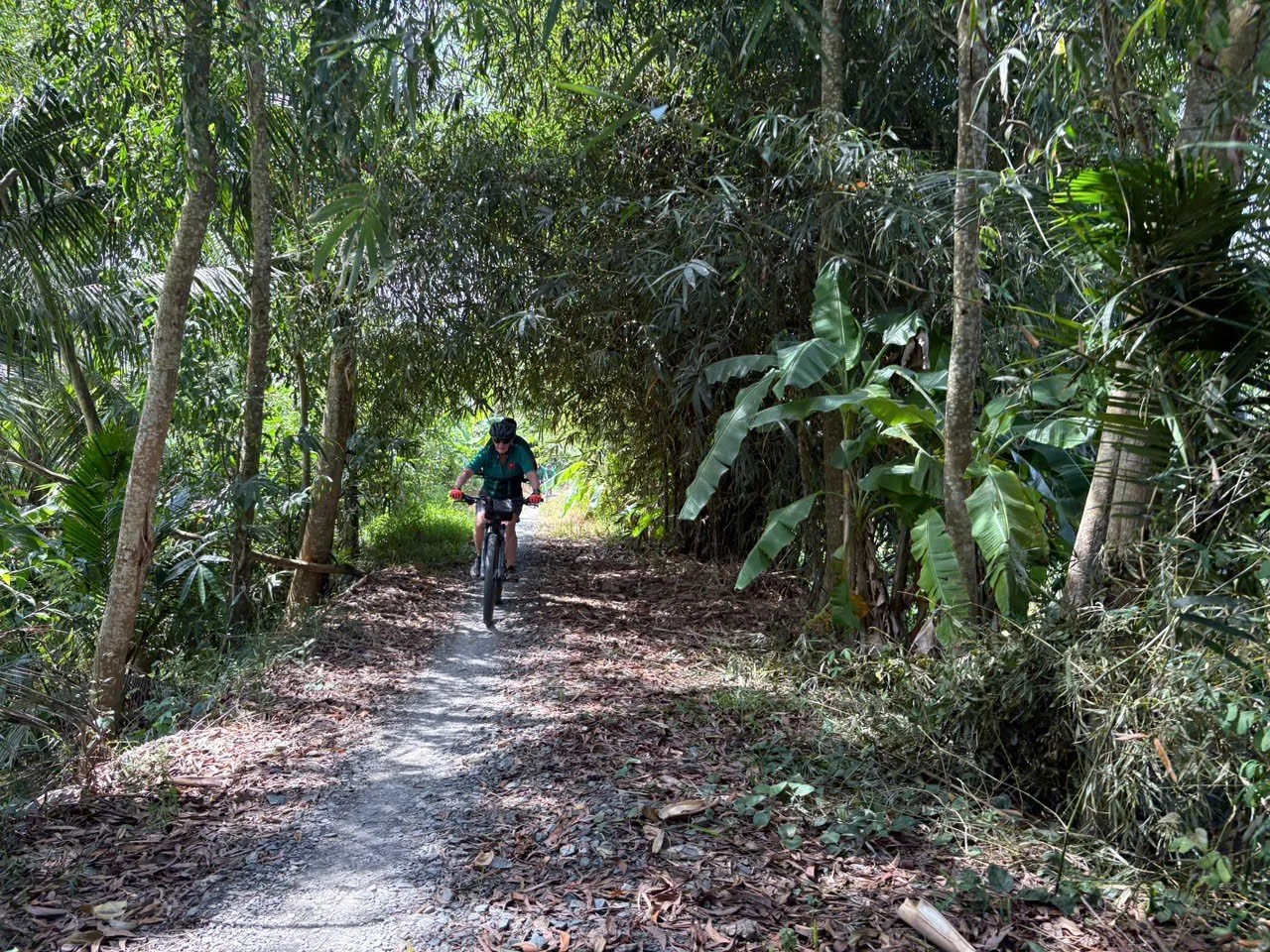
Expect contrasts: flat, easy days in the Mekong Delta and tougher, hilly stages in the north around Mai Chau, Ha Giang, or Sapa.
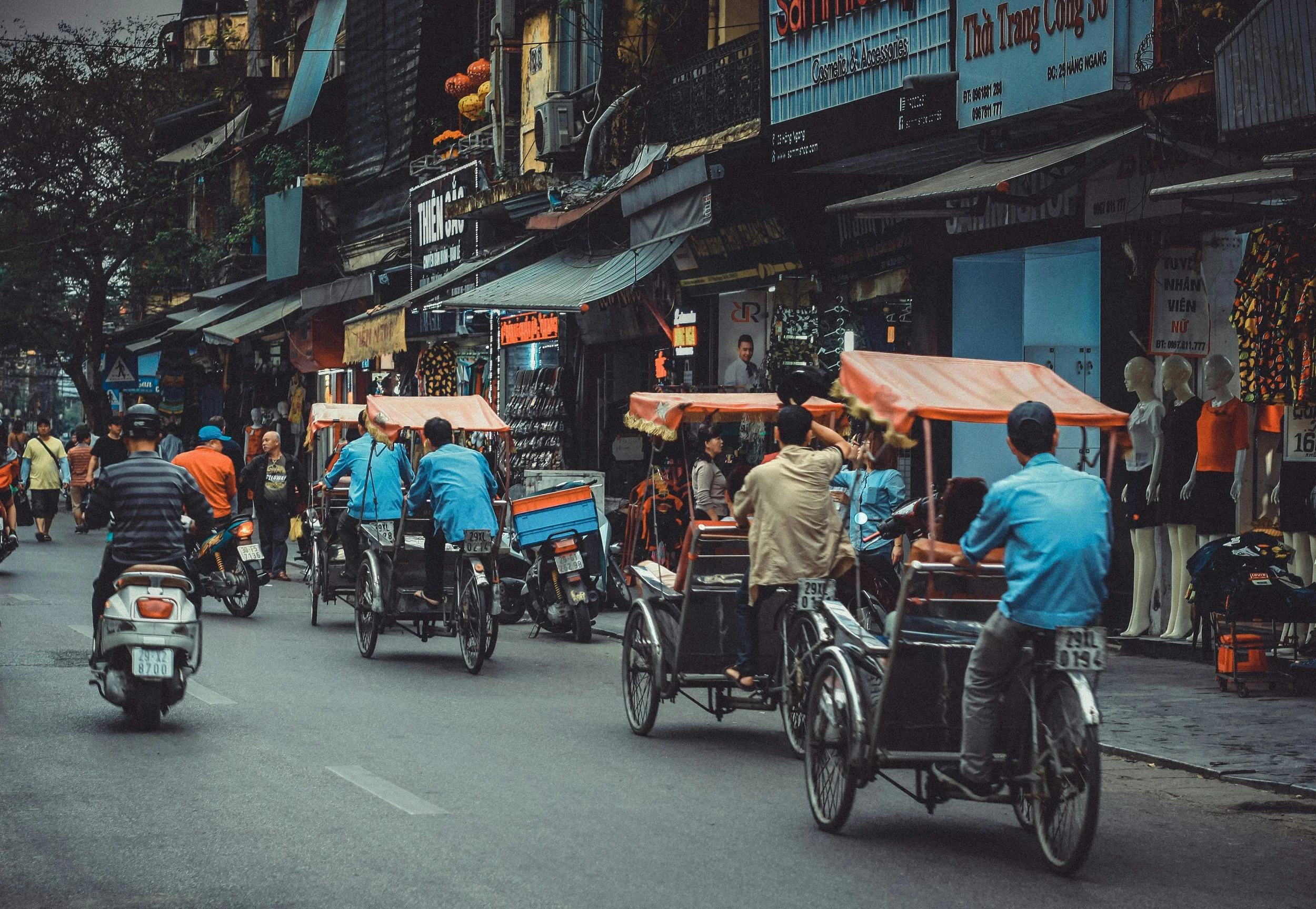
Traffic feels wild at first, but it follows its own “flow”; once you relax, ride predictably, and trust your guide, it becomes manageable.
The weather can be hot and humid, with sudden downpours in the rainy season, so embrace getting sweaty and sometimes soaked.
If you arrive with a flexible attitude — ready for the unexpected, open to new foods, and willing to slow down for cultural moments — you’ll enjoy the tour far more than if you chase perfect Strava data.
Choosing when and where to ride
Most organized bike tours in Vietnam will match the route to the season, but it helps to understand the basics.
In general, the drier months (roughly November – April) are more comfortable for cycling, especially in the north; some mountain areas can be cold in December – January.
Classic cycling areas include:
Hoi An countryside: flat, scenic, perfect for beginners and casual riders.
Mai Chau / northern valleys: rolling hills, village homestays, great for intermediate riders.
Sapa / Ha Giang: steep, challenging climbs and epic scenery for experienced cyclists.
If you’re booking a tour, be honest with the operator about your fitness level and experience. They can suggest routes and daily distances that feel challenging but still enjoyable.
Packing smart for a Vietnam bike tour
You don’t need a race setup, but some thoughtful packing can transform your experience.
Bike & cycling gear
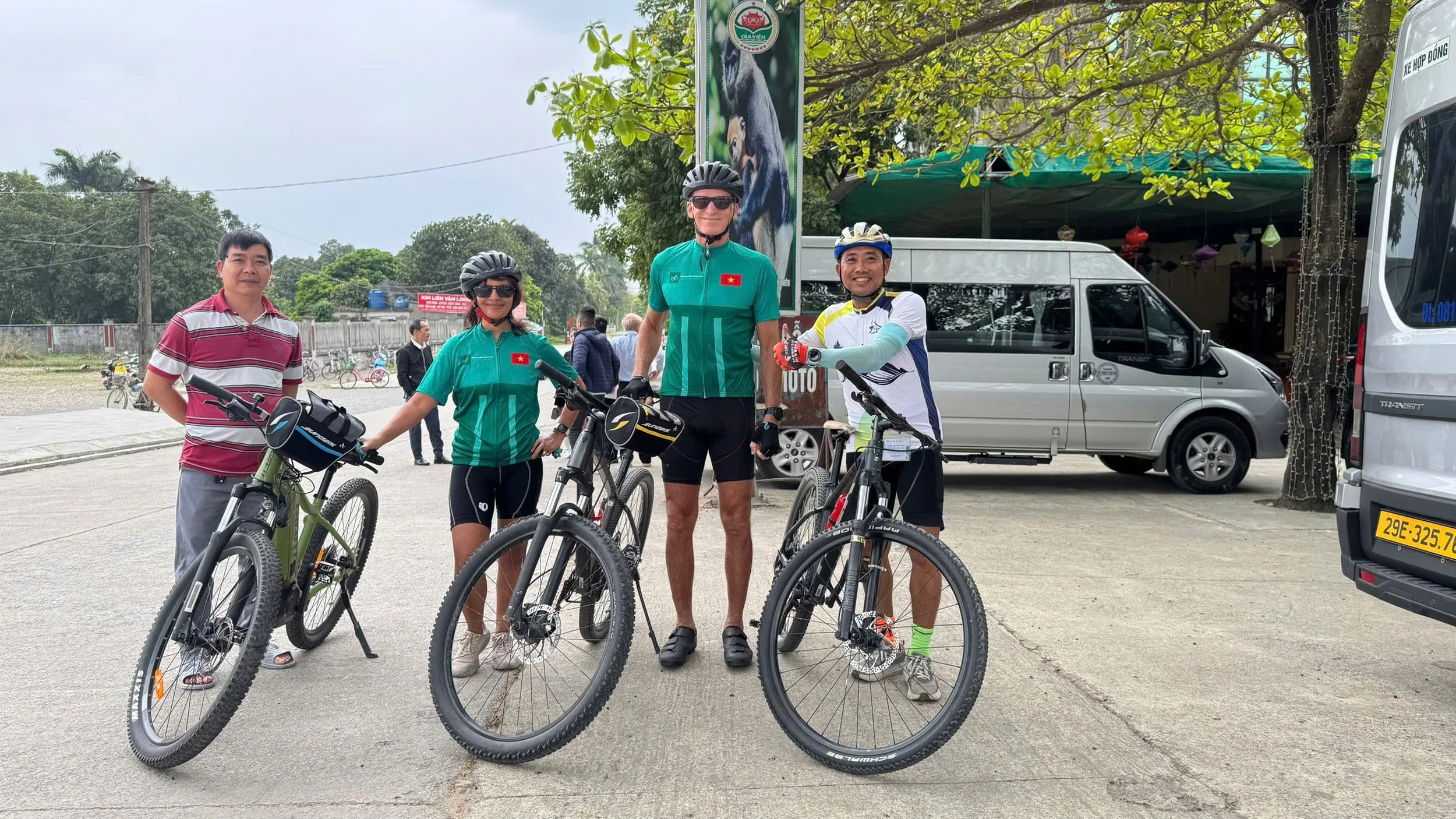
Most tour companies provide rental bikes, yet bringing a few personal essentials is worth it.
Helmet: Always wear one; standards can vary, so bring your own if you care about fit and quality.
Padded shorts & light jerseys: Humidity is high; quick‑dry fabrics make long days much more comfortable.
Gloves and sunglasses: Help with vibration, sweat, and strong sunlight.
Lights & hi‑vis: A small front and rear light and something reflective for early starts or low visibility are a big plus.
Small day bag / frame bag: For sunscreen, phone, camera, snacks, and a lightweight rain jacket.
Clothing & “off‑the‑bike” essentials
You’ll spend a lot of time off the bike too — homestays, cafés, markets, boats.
Light, breathable clothes that cover shoulders and knees for temples or rural communities.
One slightly nicer outfit for dinners in town.
Flip‑flops or sandals plus a pair of closed shoes.
Packable rain jacket; in the rainy months, consider a light poncho.

Documents & health kit
Copies of passport, visa, and travel insurance (digital + printed).
Basic first‑aid kit: painkillers, plasters, electrolyte tablets, anti‑diarrhoeal meds, and any personal prescriptions.
Insect repellent and high‑SPF sunscreen — tropical sun and mosquitoes are part of the package.
Culture, etiquette, and how to be a good guest
Vietnamese people are generally warm and curious, and arriving by bike makes you even more approachable.
Smiles go a long way: You’ll hear “Hello!” from children and adults alike; a smile or wave back is always appreciated.
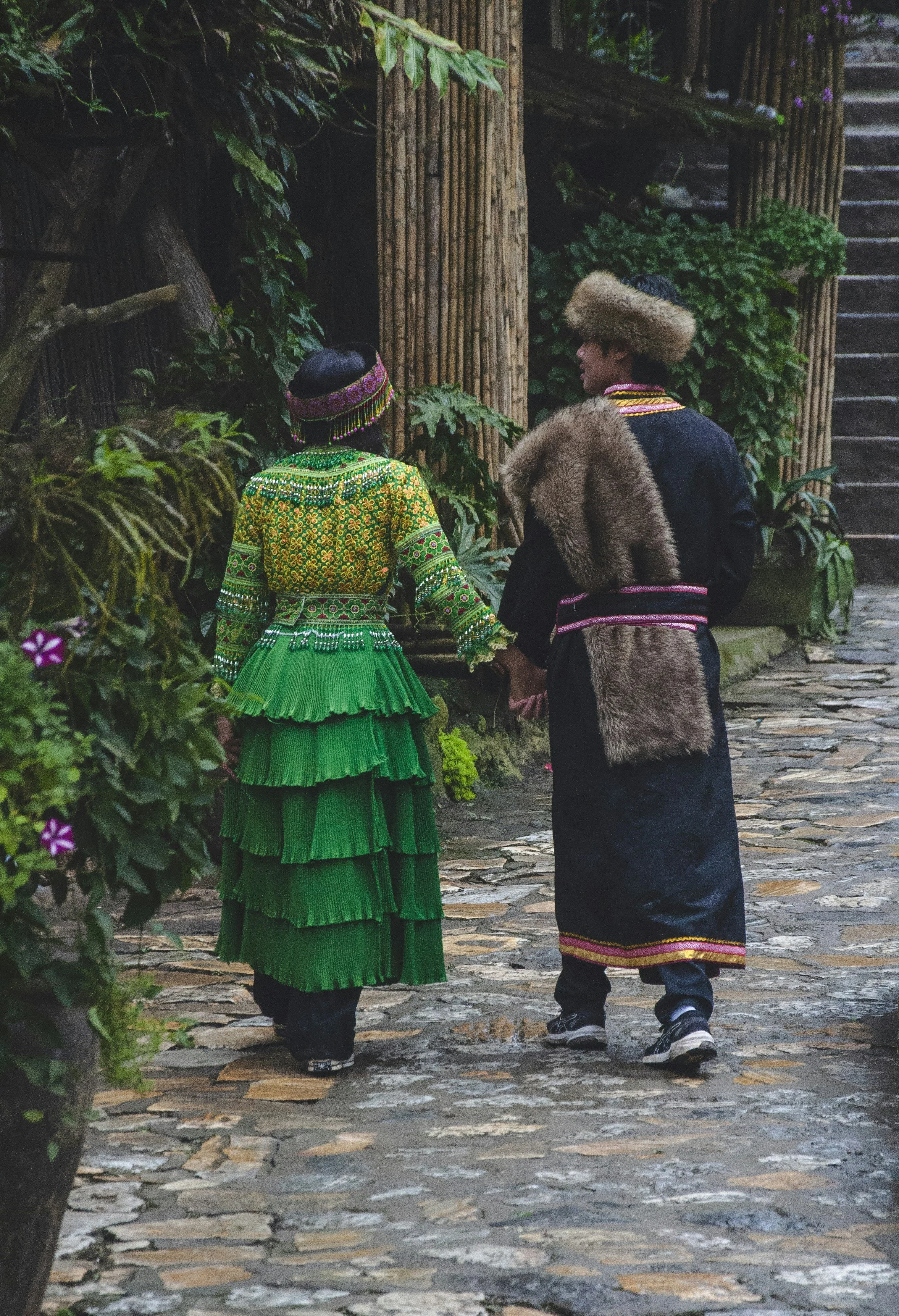
Dress modestly in villages and religious sites: Cover shoulders and knees in pagodas and when staying in rural homestays; avoid cycling in just a sports bra or very revealing gear when you’re off the road.
Ask before taking close‑up photos, especially of older people or in hill‑tribe communities. A gesture with your camera and a smile is usually enough.
Remove shoes when entering someone’s home or certain guesthouses; follow your guide’s lead.
Learning a few words — “Xin chào” (hello), “Cảm ơn” (thank you) — makes interactions more personal and fun.
Health and healthcare on the road
You don’t need to be paranoid, but basic preparation makes a big difference.
Vaccinations: Many health agencies recommend that travellers to Vietnam check their routine vaccines and consider additional ones such as hepatitis A, typhoid, and boosters for tetanus, diphtheria, and polio, depending on your itinerary.
Mosquito‑borne diseases like dengue and Japanese encephalitis exist in parts of Vietnam, especially in rural and northern areas during certain seasons, so good repellent and long sleeves in the evening are wise.
Tap water is generally not safe to drink; use bottled or filtered water, and be cautious with ice from unknown sources.
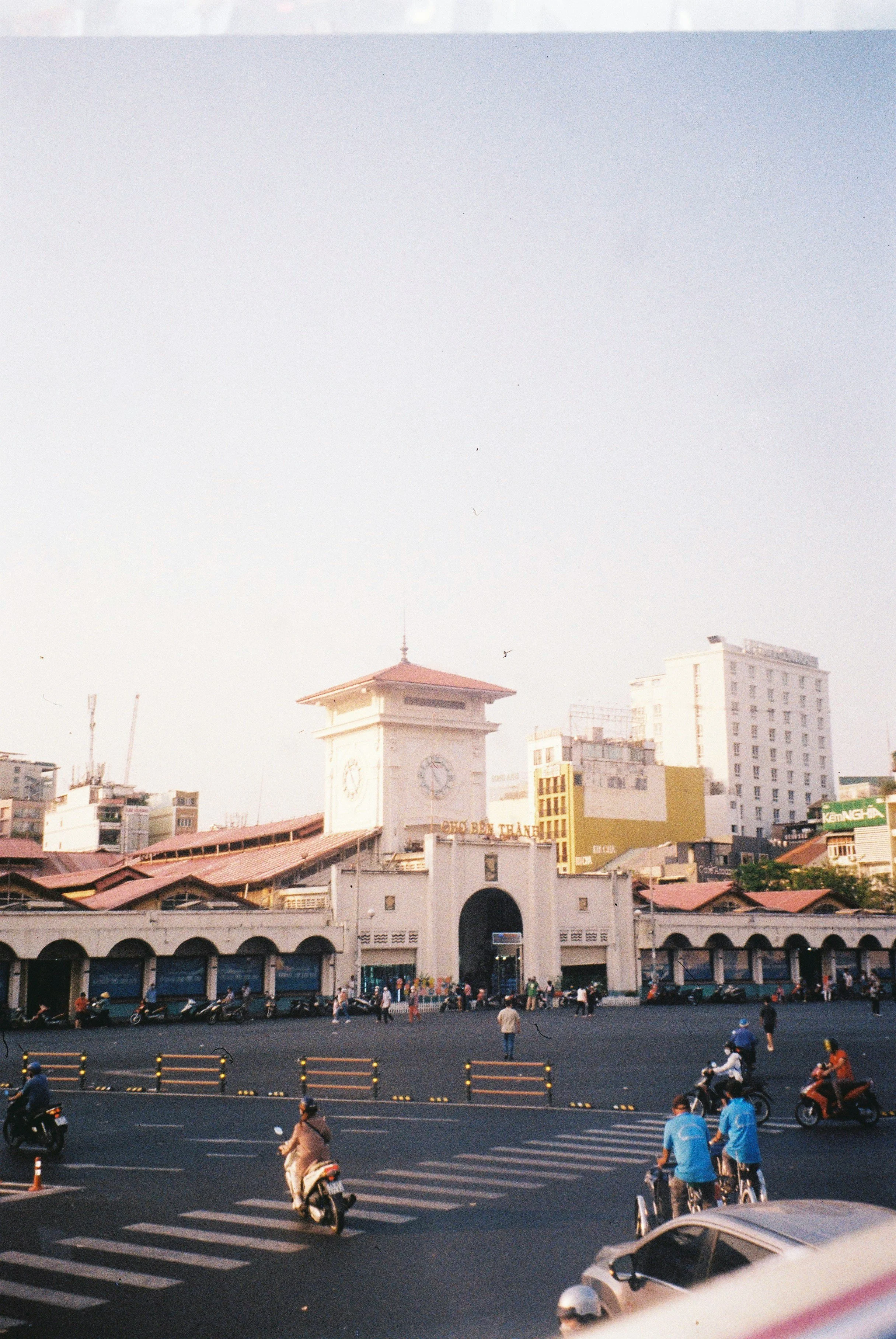
Major cities such as Hanoi and Ho Chi Minh City have decent hospitals and international clinics, but in rural areas facilities are more basic — another reason to have good travel insurance and to keep your guide informed if you feel unwell.
Laws, road rules, and riding with respect
You won’t be expected to master Vietnamese traffic law, but a few points matter.
Helmets are mandatory on motorbikes and strongly recommended on bicycles; reputable cycling tour operators will insist on them.
Some adventure areas require you to have a licensed local guide; in certain regions, going independently off established routes can even be restricted for foreigners.
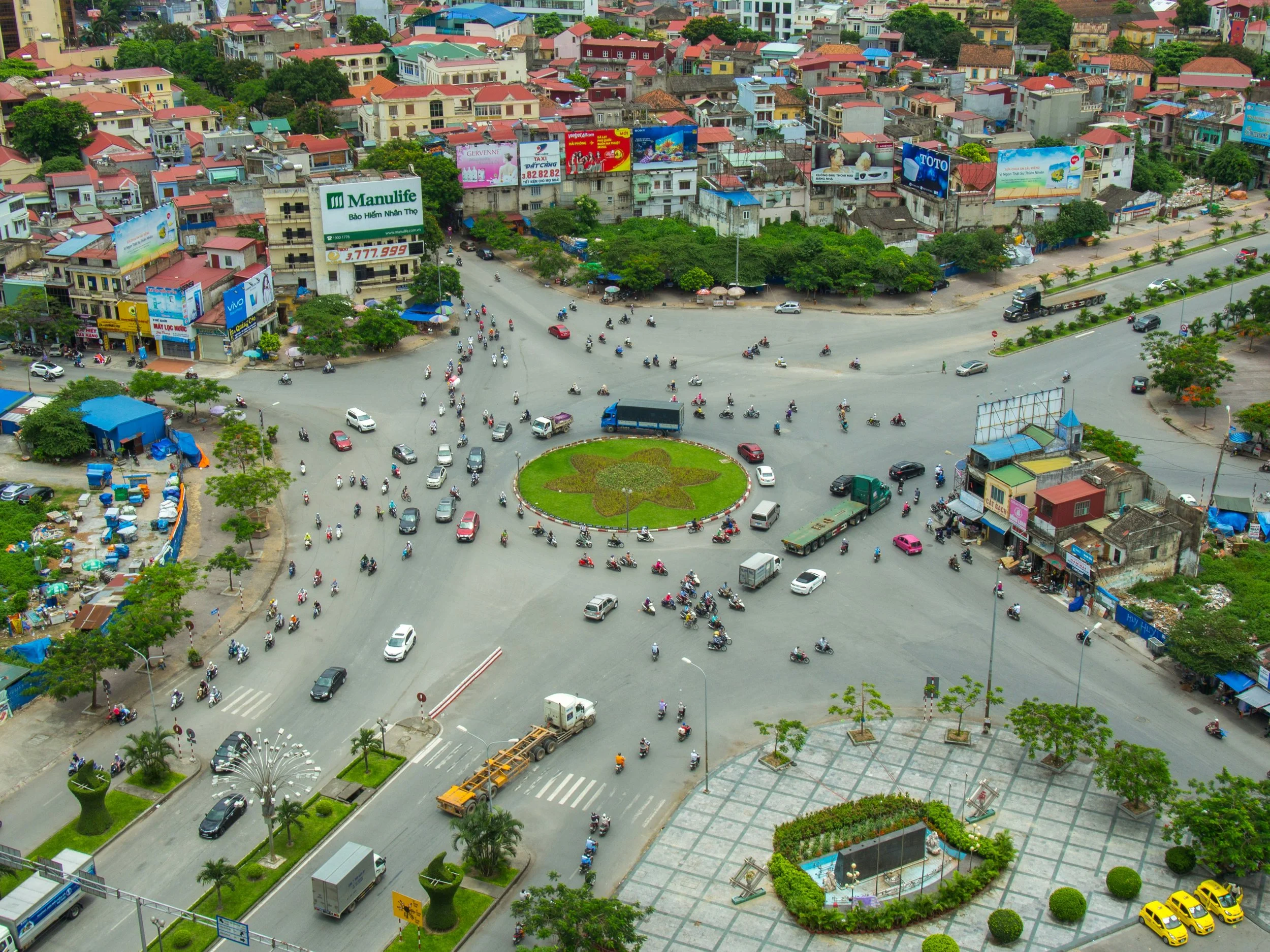
Traffic often ignores Western‑style “right of way”; think of it as a constant, slow negotiation: signal clearly, be predictable, and never assume vehicles will stop for you, even at pedestrian crossings.
Follow your guide’s instructions — they know where road conditions are rough, where trucks are common, and when it’s safer to dismount and walk.
Safety: traffic, theft, and common‑sense precautions
Vietnam is widely considered a relatively safe country to visit, especially regarding violent crime, but petty theft and traffic risks deserve attention.
On the bike and in traffic:
Always wear your helmet and use lights in low visibility.
Avoid riding at night whenever possible; road surfaces can be uneven, and visibility for drivers is poorer.
Keep to the right, ride in a straight line, and avoid sudden moves—your guide will usually ride in front to set the pace.
Be extra alert in cities and busy towns; scooters, buses, and trucks can appear from any direction.
Off the bike:
Petty theft like bag or phone snatching exists in tourist areas; keep your valuables close and avoid using your phone on the street near traffic.
Use hotel safes when available, and carry only what you need each day.
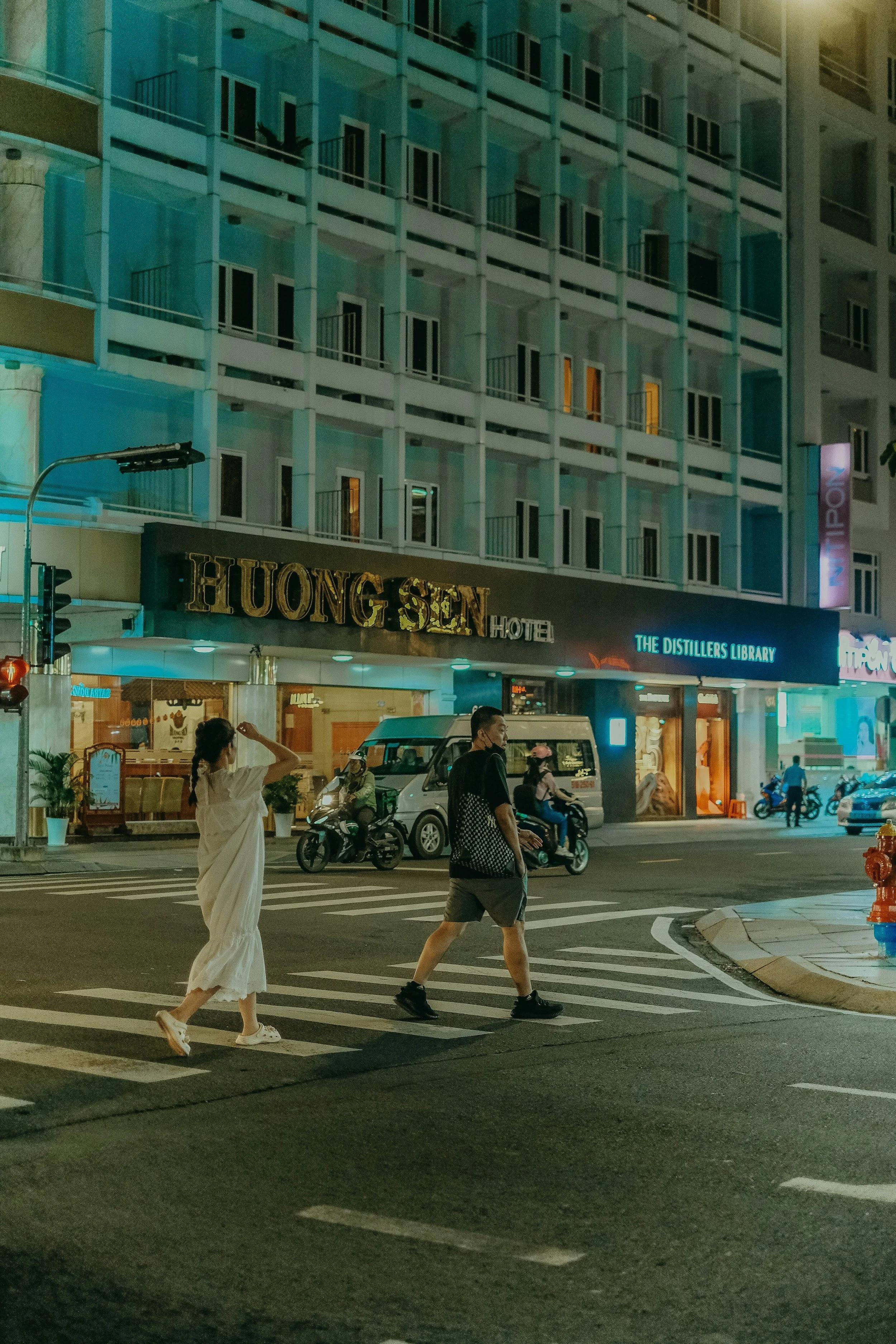
At night, stay in well‑lit areas and avoid walking alone down deserted alleys.
Most travellers cycle through Vietnam with no issues at all—these habits just reduce your chances of a bad moment spoiling a great trip.
Money, visas, and everyday logistics
Your tour company will probably help with some logistics, but you’ll still make plenty of daily decisions.
Visas: Many nationalities either require a visa or must register for an e‑visa before arrival; always check official government or embassy websites for current rules well before you fly.
Currency: The Vietnamese đồng is still largely a cash‑based currency; cards are accepted in big hotels and restaurants, but small shops, rural cafés, and markets are usually cash only.
ATMs are widely available in cities and larger towns; in more remote cycling areas, it’s smart to withdraw enough cash beforehand.
Use official money changers or banks to avoid counterfeit notes, which have been reported in touristy areas.
Keep small denominations handy on the bike for water, snacks, and coffee stops — you’ll be surprised how far a few notes go in rural Vietnam.
Shopping, souvenirs, and bargaining without the stress
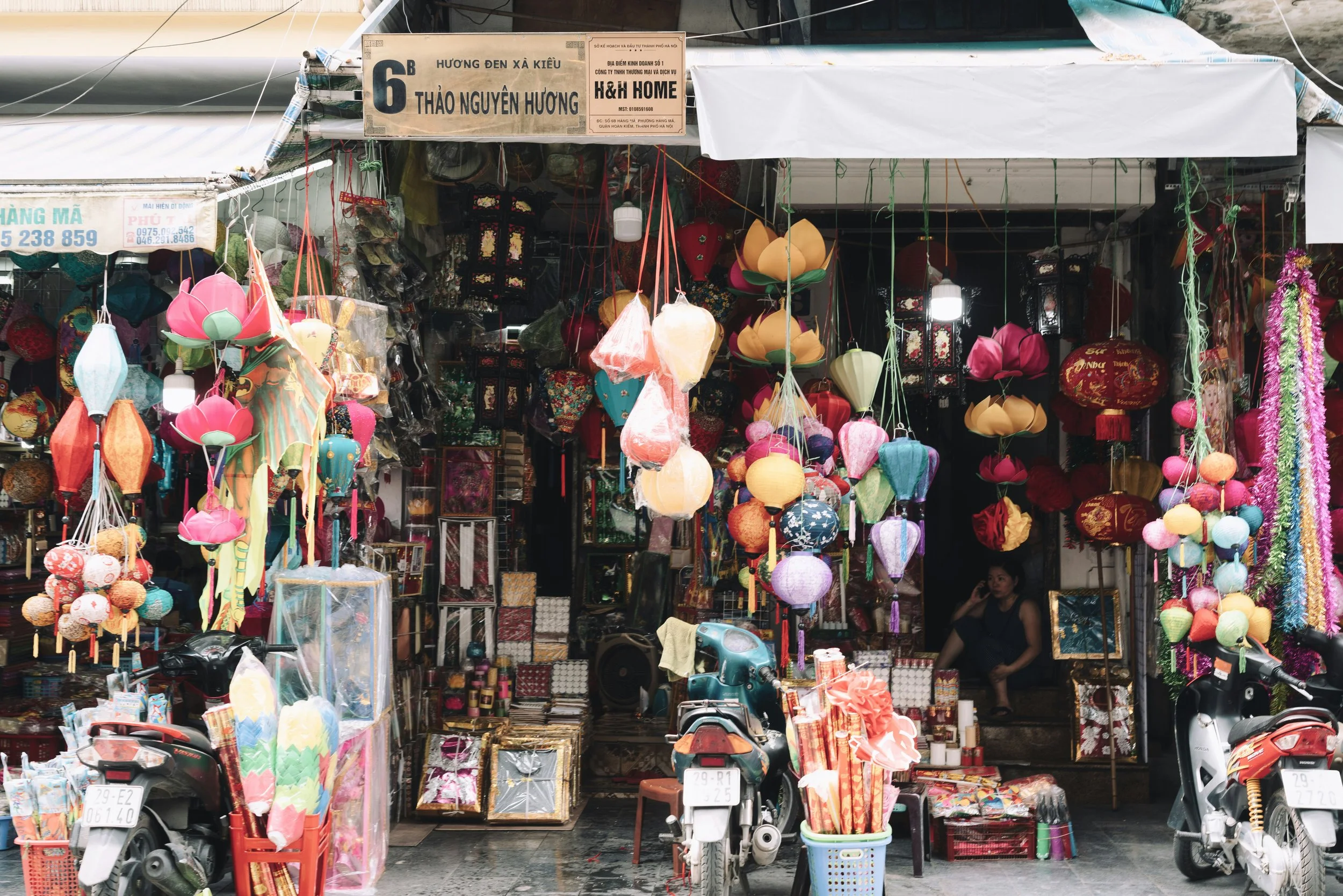
Cycling tours often pass through markets, craft villages, or small roadside stalls where you can support local communities directly.
Popular buys include coffee, tea, spices, textiles, handmade crafts, and simple cycling jerseys or caps from local shops.
Bargaining is expected in many markets, but keep it friendly; negotiate with a smile, know your walk‑away price, and remember that the difference is often small for you but more meaningful for the seller.
Avoid buying wildlife products, antiques of unclear origin, or anything that looks like it might be illegal to export.
If you’re on a multi‑day ride, keep your luggage limits in mind; it’s easy to over‑shop early and then have no space for truly special items you’ll find later.
Final thoughts: ride slow, notice everything
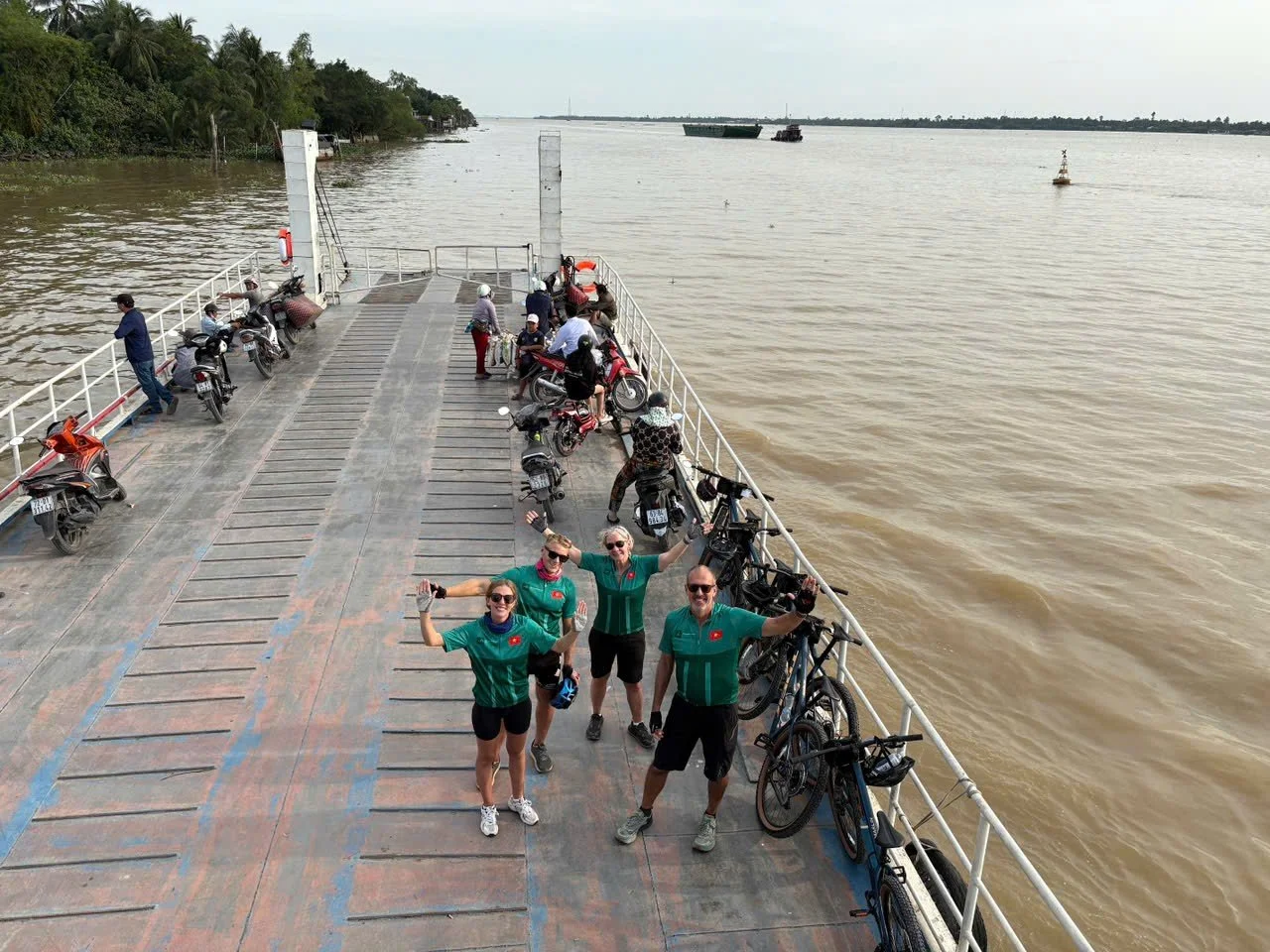
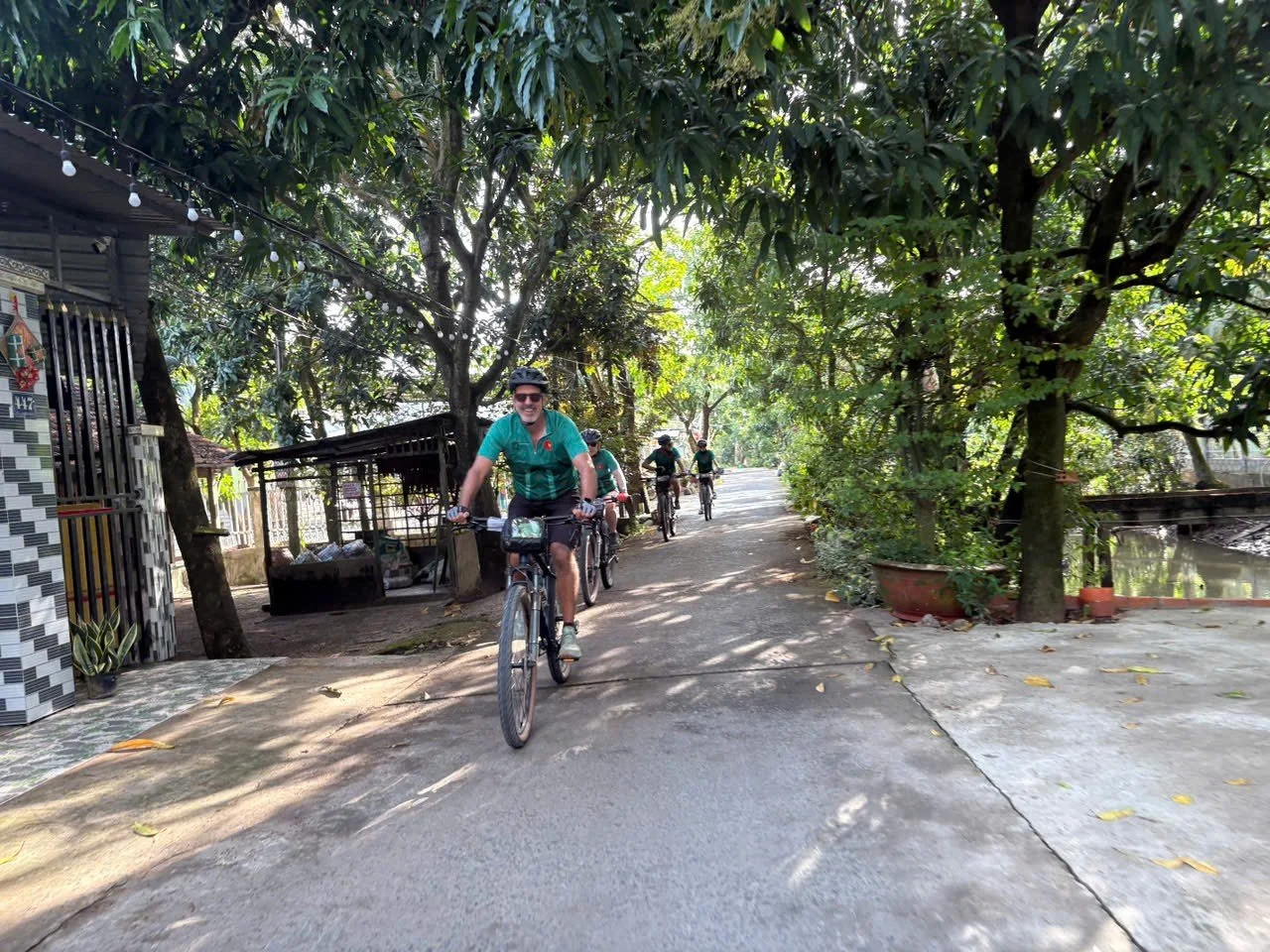
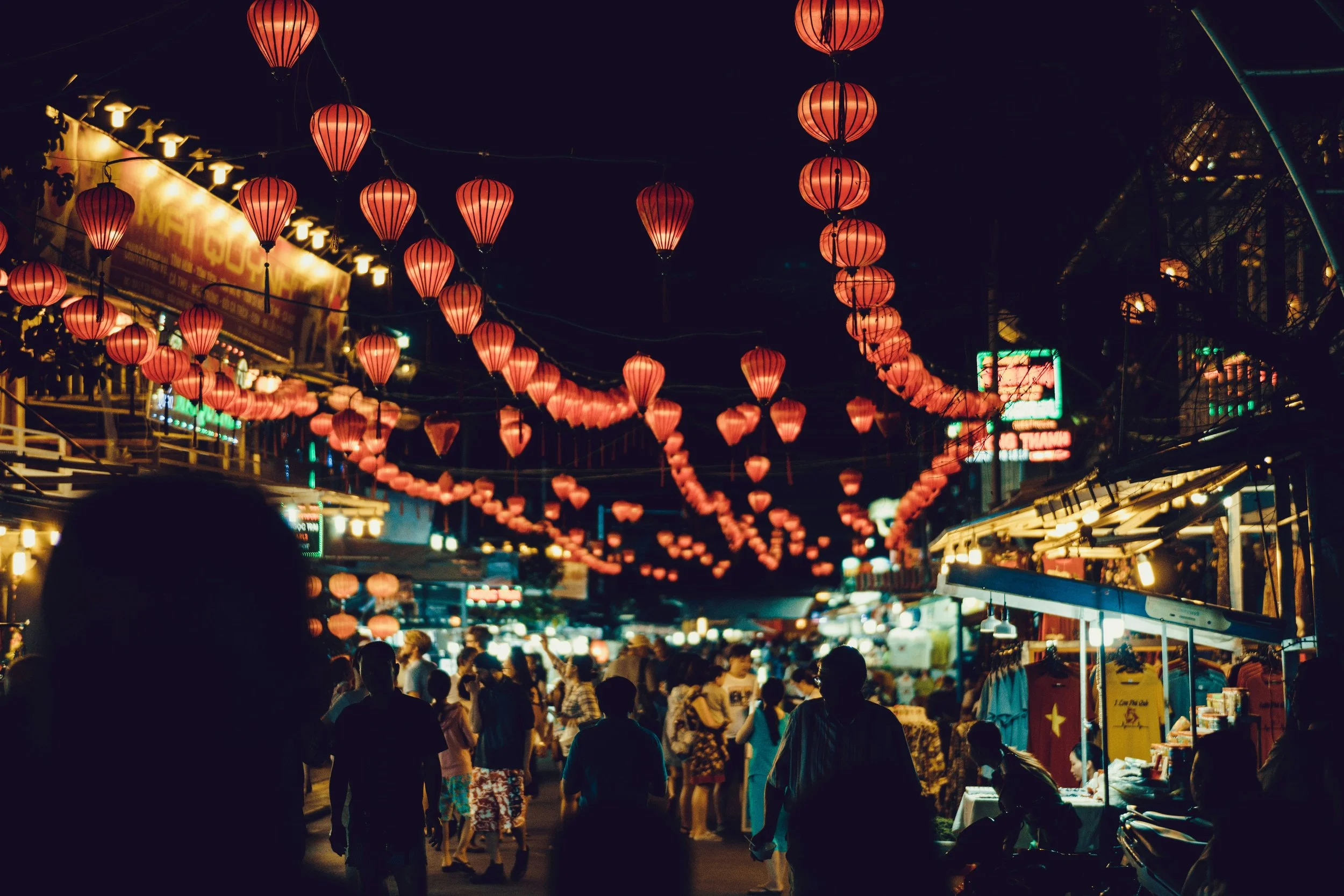
Cycling Vietnam is not about ticking off “must‑see” spots at high speed; it’s about the moments in between: a roadside coffee with your guide, kids racing you on rusty bikes, a surprise ferry crossing at sunrise, or rolling into a village homestay at dusk.
Prepare your body a little, pack thoughtfully, respect the culture, and follow local safety and health advice—and then let Vietnam do the rest.
If you build in a bit of flexibility and curiosity, your Vietnam cycling tour won’t just be a trip; it will feel like a moving, two‑wheeled conversation with the country itself.