
Cycling India: Elegant, Real‑World Tips for a Coast‑to‑Himalaya Bike Tour
India is a vast, high‑contrast country to discover on two wheels: one day might bring quiet lanes through tea estates, another a desert road past ancient forts, and another a climb towards snow‑dusted Himalayan ridges. At the same time, dense traffic, climate extremes, and regional safety differences mean that arriving prepared is essential for a smooth and enjoyable cycling tour.
Below is a refined, experience‑driven guide for travellers joining organised cycling tours in India—whether the route is a gentle ride through Kerala’s backroads, a heritage‑rich loop in Rajasthan, or a high‑altitude adventure in Ladakh and the Himalayan foothills.
Getting into the India cycling mindset
Cycling in India is not a single experience but many. A flat, coastal ride between Mumbai and Goa feels completely different from a mountain tour near Manali or a rural backroads trip in Rajasthan. Choosing the right region for fitness level, heat tolerance, and appetite for adventure is the foundation of a good tour.
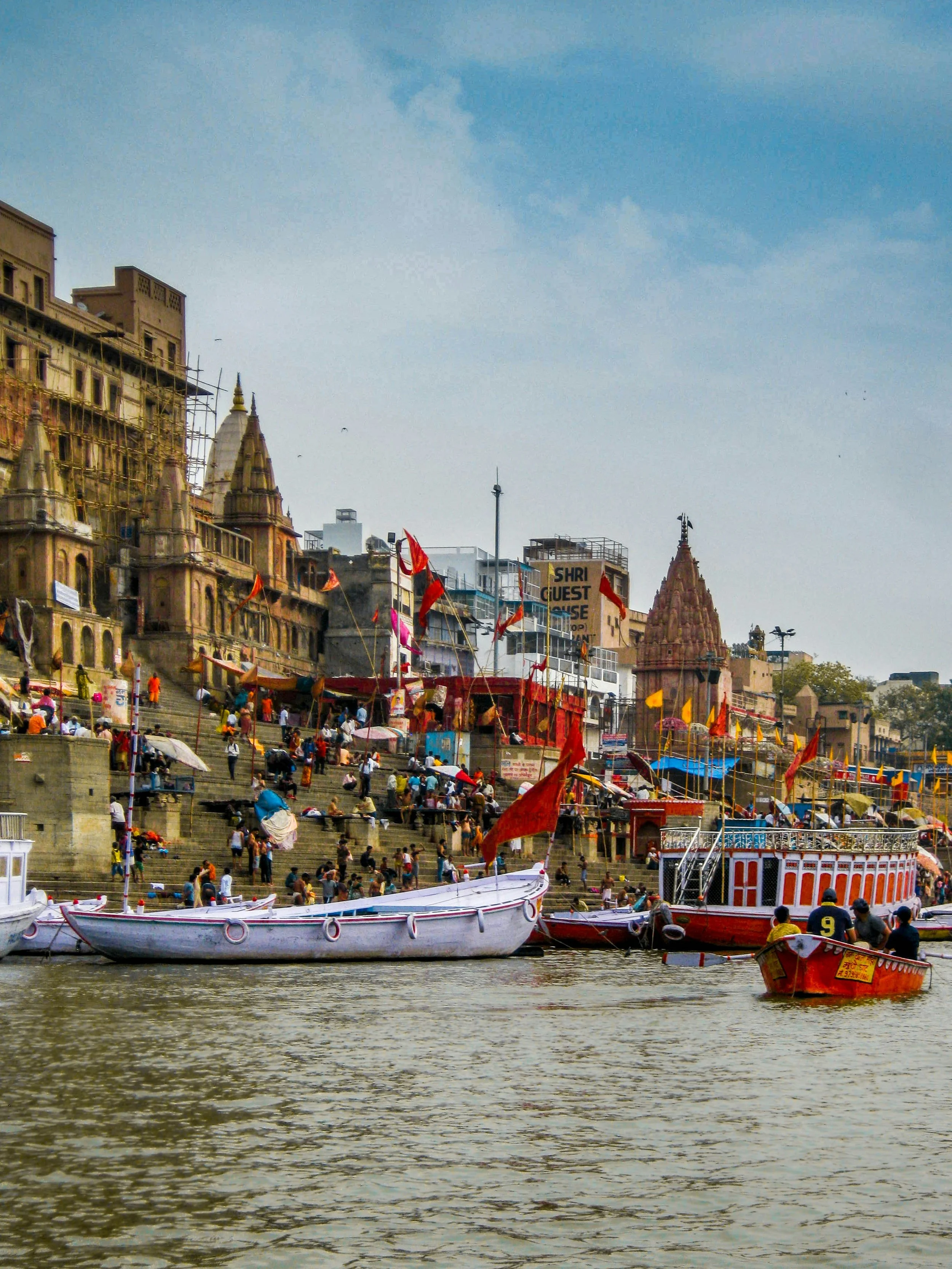
On a bike, India unfolds in detail: chai stalls, village temples, roadside cricket, processions and festivals, and sudden views of forts or peaks that appear around a bend. Travellers who approach the country with curiosity, patience, and realistic expectations—accepting occasional chaos alongside moments of deep beauty—tend to find cycling here uniquely rewarding.
When and where to ride in India
Because India spans everything from tropical coasts to high mountains, “best time to go” depends heavily on the region.
Broadly, many popular cycling regions in north and central India—Rajasthan, the Golden Triangle, much of the Himalayan foothills—are most comfortable from roughly October to March, outside the main monsoon and heat peaks. Southern areas like Kerala and coastal routes from Mumbai towards Goa also work well in the drier, slightly cooler months, with the heaviest rains typically falling between June and September.
Common styles of guided cycling tours include:
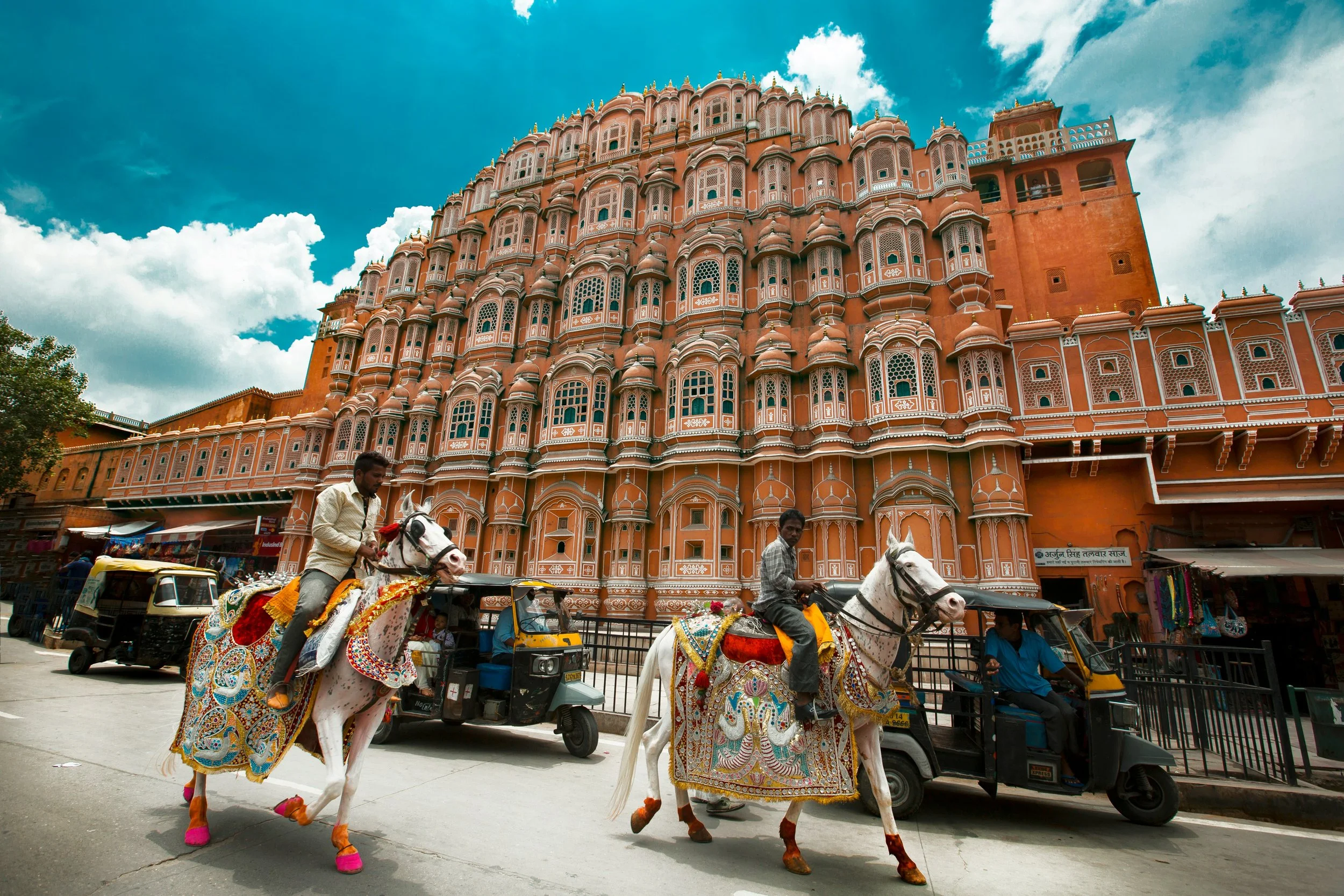
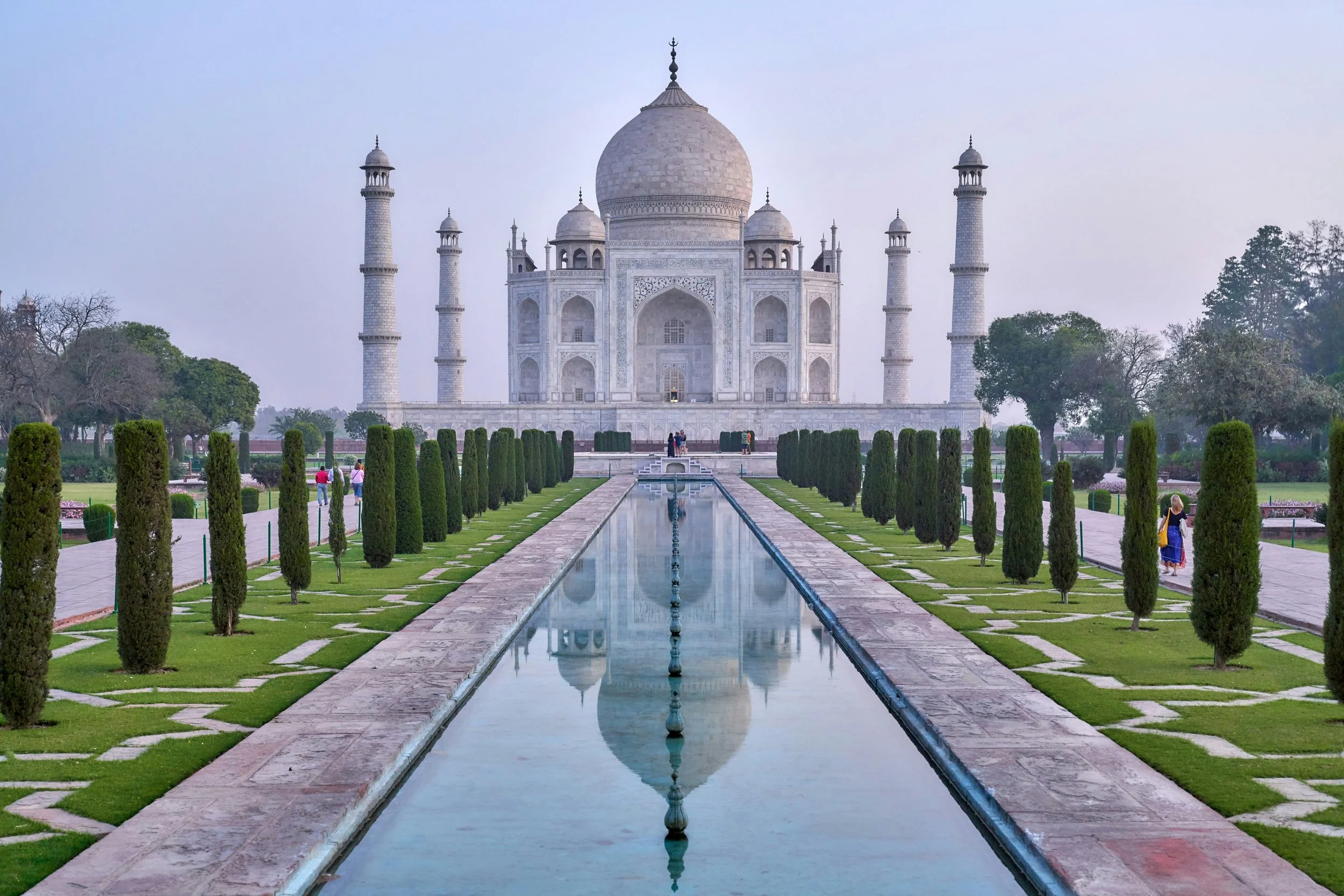
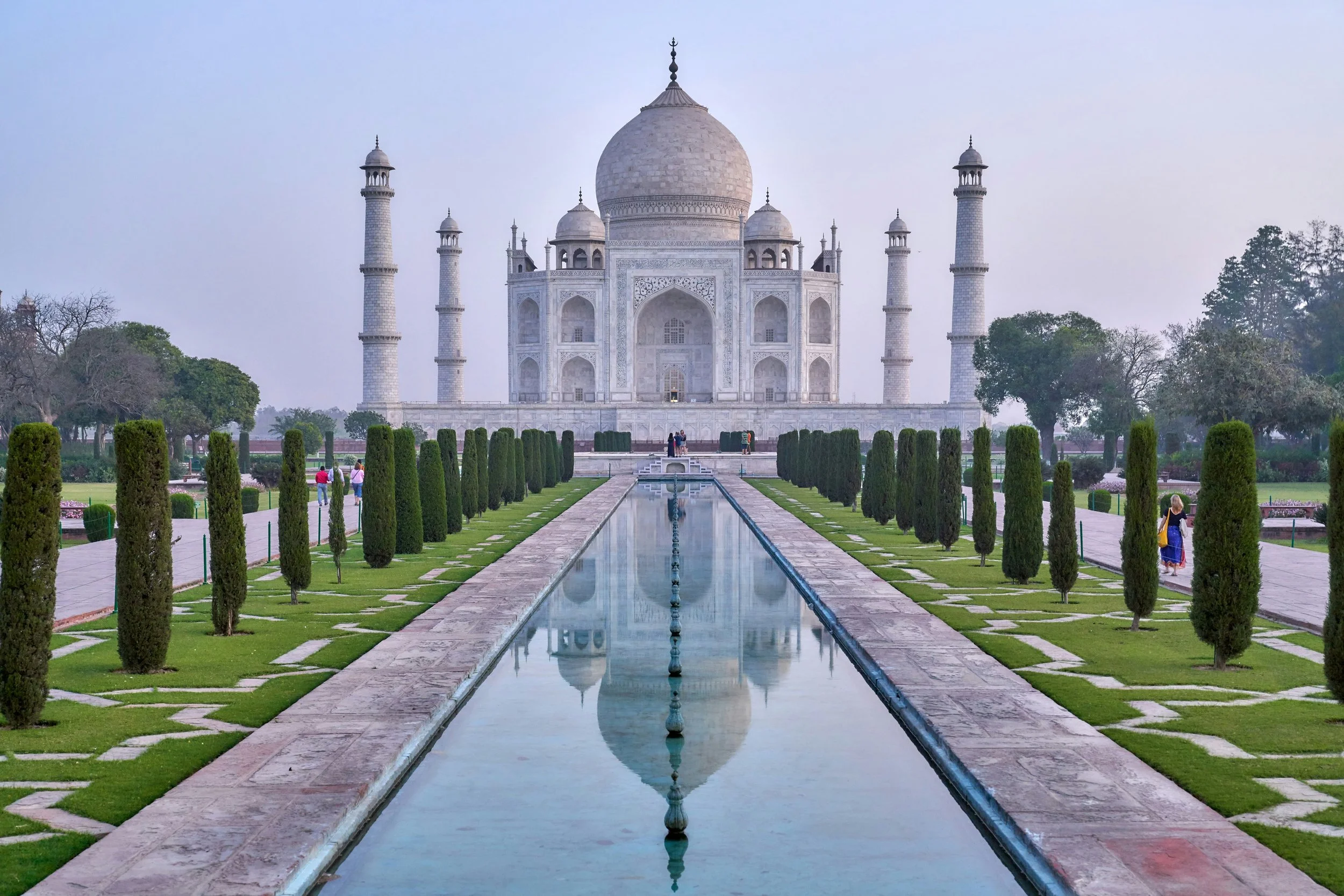
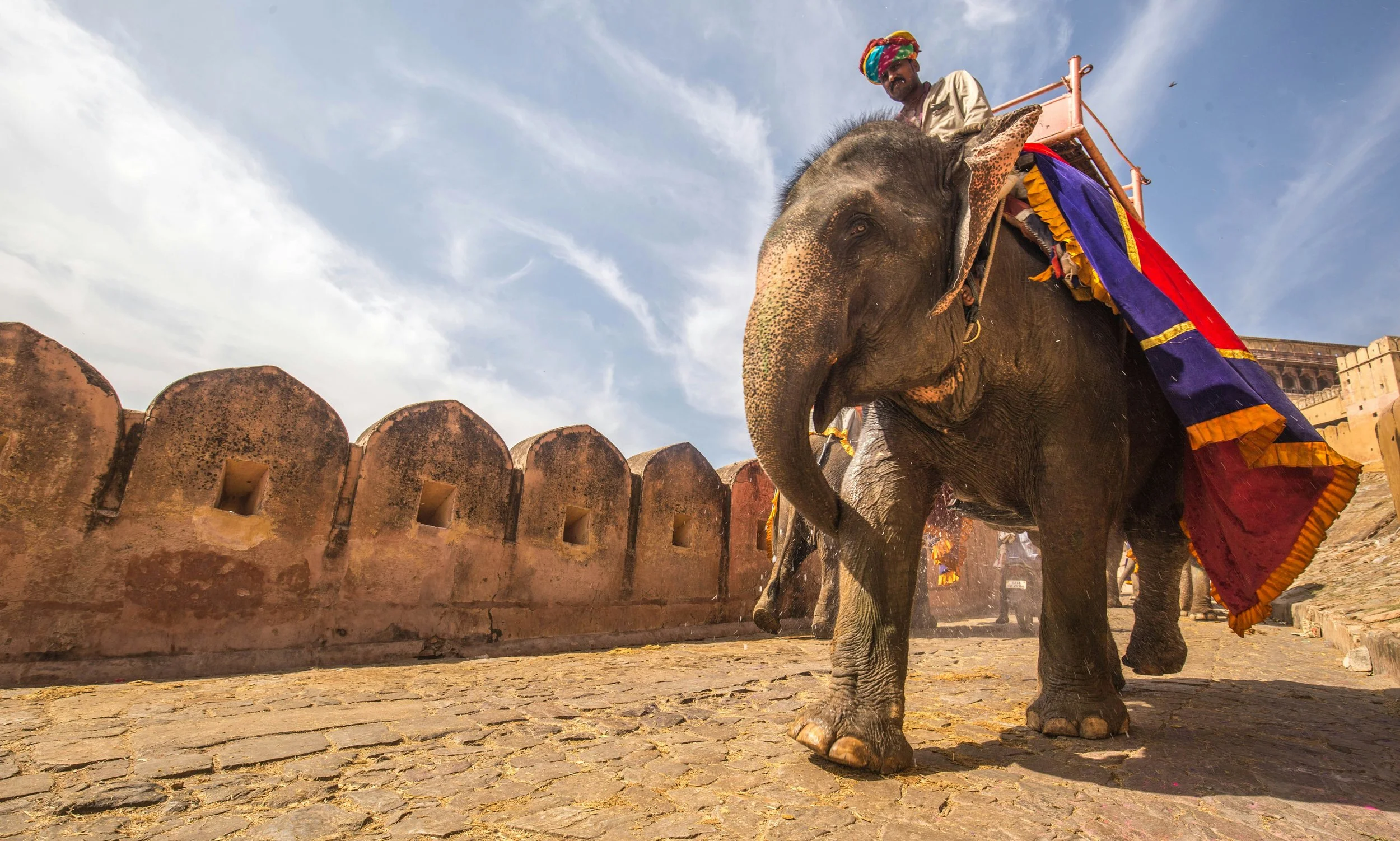
Rajasthan & the Golden Triangle: Heritage routes linking Jaipur, Udaipur, rural villages, and sometimes extensions towards Agra, combining forts, palaces, and quiet country roads.
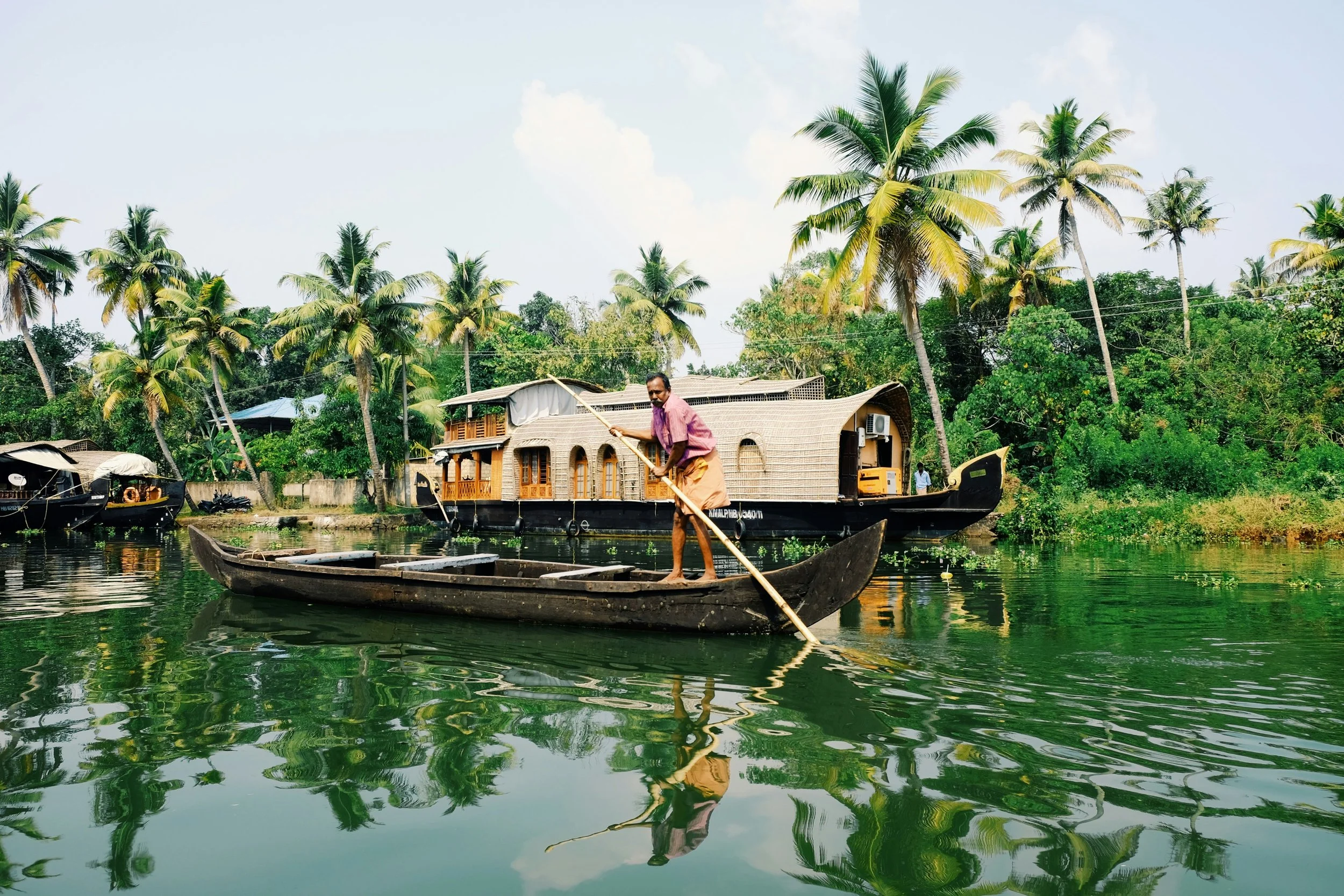
Kerala & the Western Ghats: Tea plantations around Munnar, spice hills, forests, and backwater villages, with moderate climbs and lush scenery.
Goa & the Konkan Coast (Mumbai–Goa): Undulating coastal roads, fishing villages, and beaches, better for those comfortable with rolling terrain and humid conditions.
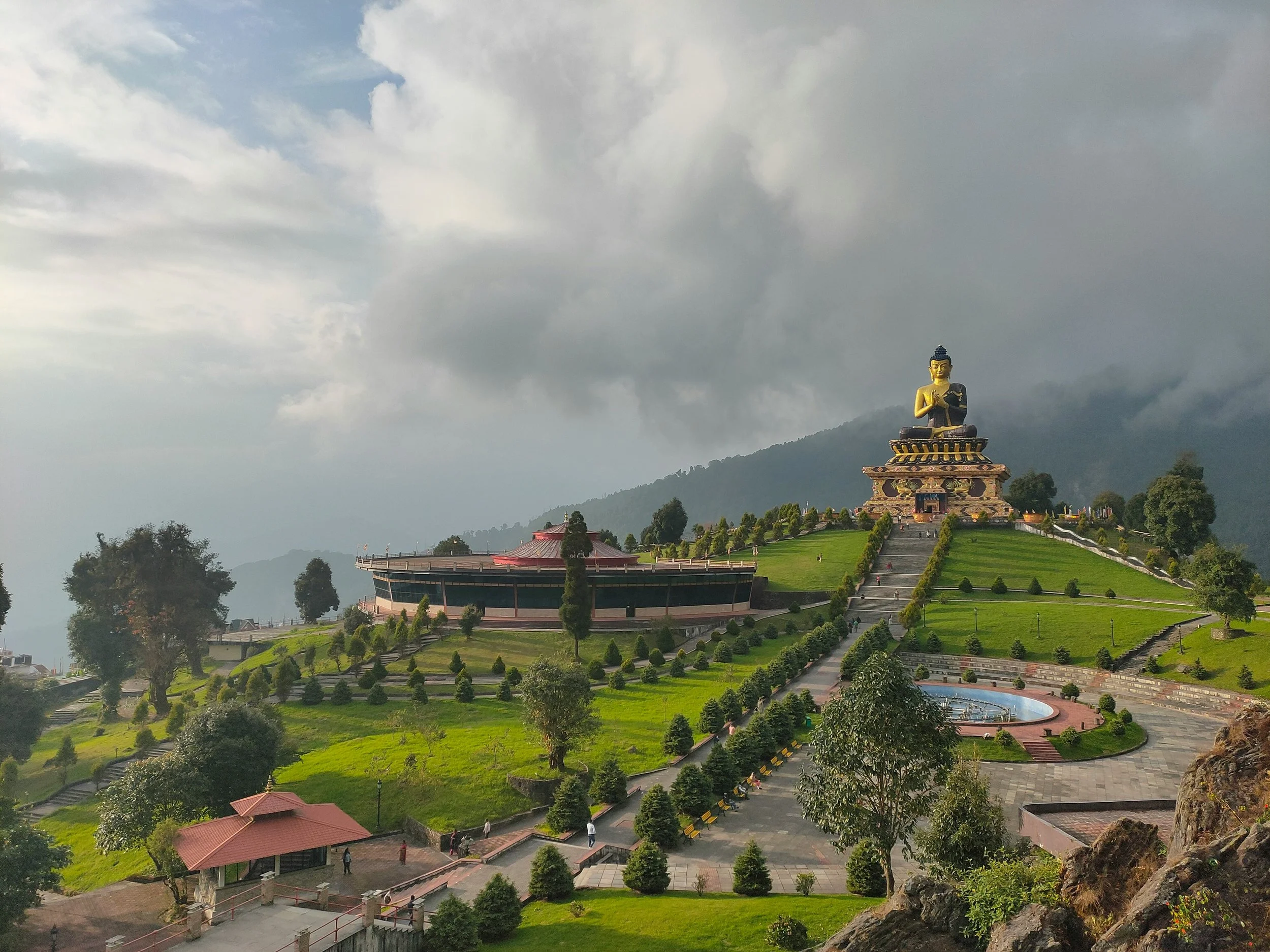
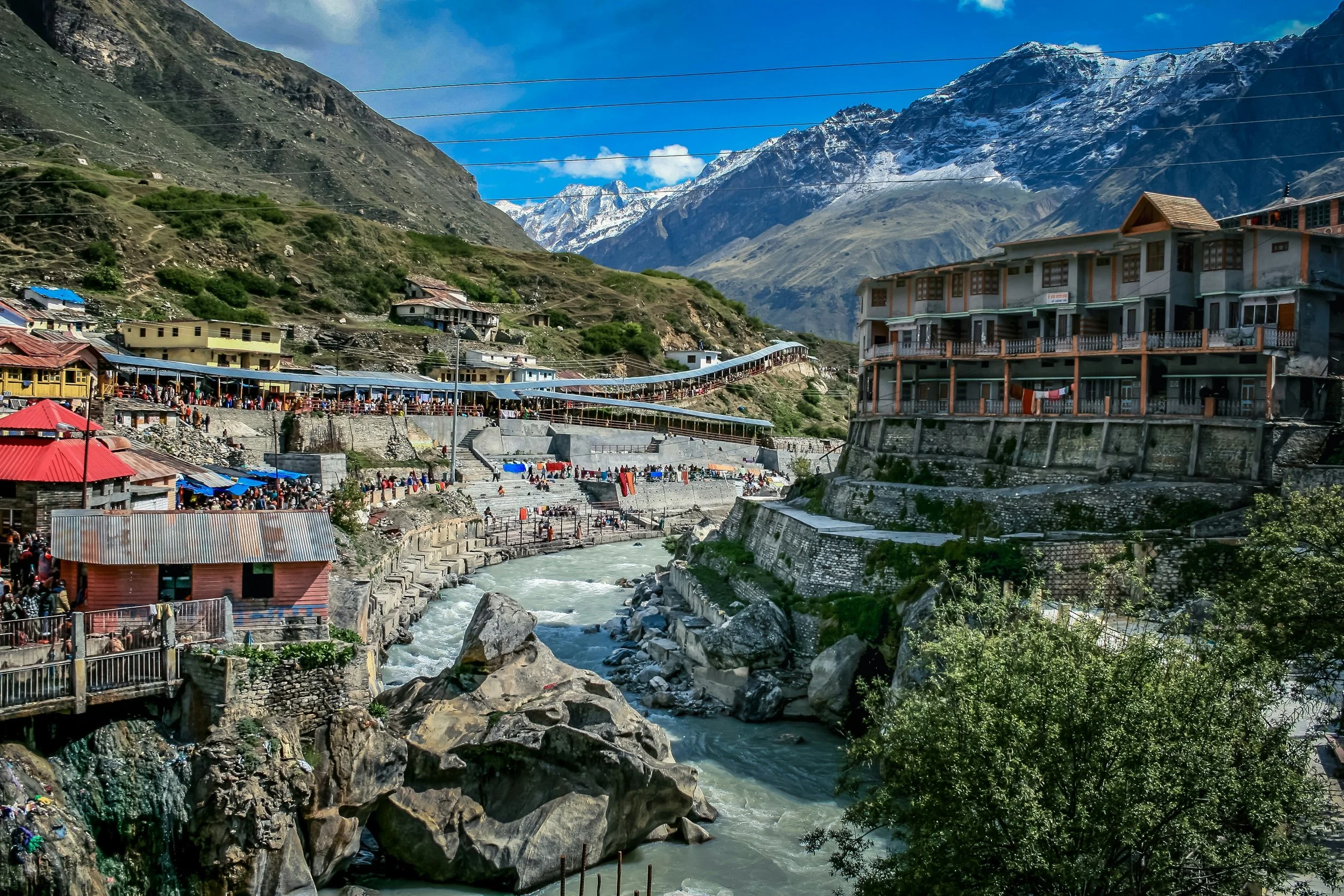
Himalayan and high‑altitude routes (Ladakh, Himachal, Uttarakhand): Demanding climbs, thin air, and jaw‑dropping landscapes, suitable only for well‑prepared, experienced cyclists and best in short summer windows when passes are open.
An honest conversation with the tour operator about fitness, heat tolerance, and comfort with altitude or remote conditions is essential when choosing a route.
Packing smart for an India bike tour
On‑bike essentials
Tour companies usually provide bikes and basic equipment, but personal kit dramatically affects comfort.
Helmet: Road accidents are a significant risk in India, making a quality helmet indispensable for any ride, urban or rural.
Cycling clothing: Lightweight, breathable jerseys and padded shorts help manage sweat and friction in hot or humid conditions.
Gloves and sunglasses: Useful for rough surfaces, sun, and dust.
Lights and hi‑vis details: Early starts, haze, and tunnels make front and rear lights and some reflective features important, even though riding after dark is best avoided.
Small handlebar or frame bag: For sunscreen, camera, tissues, local currency, and a compact rain or wind jacket.
Off‑bike wardrobe
India is generally conservative in dress, especially in smaller towns and religious sites.
Lightweight long trousers or knee‑length shorts and tops that cover shoulders are appropriate for temples and villages.
A shawl or scarf serves both as sun protection and as extra coverage in sensitive areas.
Sandals or flip‑flops for casual wear, plus light closed shoes for evenings or walks.
A packable rain jacket for monsoon‑prone regions or shoulder seasons.
Documents and health kit
Passport, visa or e‑visa printouts, and comprehensive travel insurance that explicitly covers cycling and any high‑altitude activities.
Personal first‑aid kit with pain relief, plasters, antiseptic wipes, rehydration salts, and any regular medications.
High‑SPF sunscreen and strong insect repellent for both urban and rural environments.
Health and healthcare: staying well on the road
Given India’s size and range of climates, tailored health preparation is crucial.
Most travel‑health sources advise visiting a clinic at least four to six weeks before departure to review routine vaccines and discuss additional protection based on route and activities. Vaccines often recommended for many travellers include hepatitis A, hepatitis B, typhoid, and, in some cases, rabies, cholera, Japanese encephalitis, and others; individual needs depend on duration, destinations, and planned exposure.
Key health precautions during a cycling tour include:
Drinking bottled, boiled, or properly filtered water and avoiding untreated tap water and ice from uncertain sources.
Eating mainly at busy, reputable eateries and being cautious with street food in terms of hygiene and how food is handled.
Using insect repellent and, where appropriate, antimalarial medication, as malaria, dengue, and other mosquito‑borne diseases are present in parts of India.
Major cities such as Delhi, Mumbai, Bangalore, and Kochi have better medical facilities than rural areas, but quality still varies; good insurance and clear communication with guides about any symptoms are essential. In high‑altitude regions, gradual ascent and awareness of altitude sickness are vital.
Culture, dress, and respectful behaviour
India’s diversity means customs vary, but some broad principles help cyclists move respectfully through towns and villages.
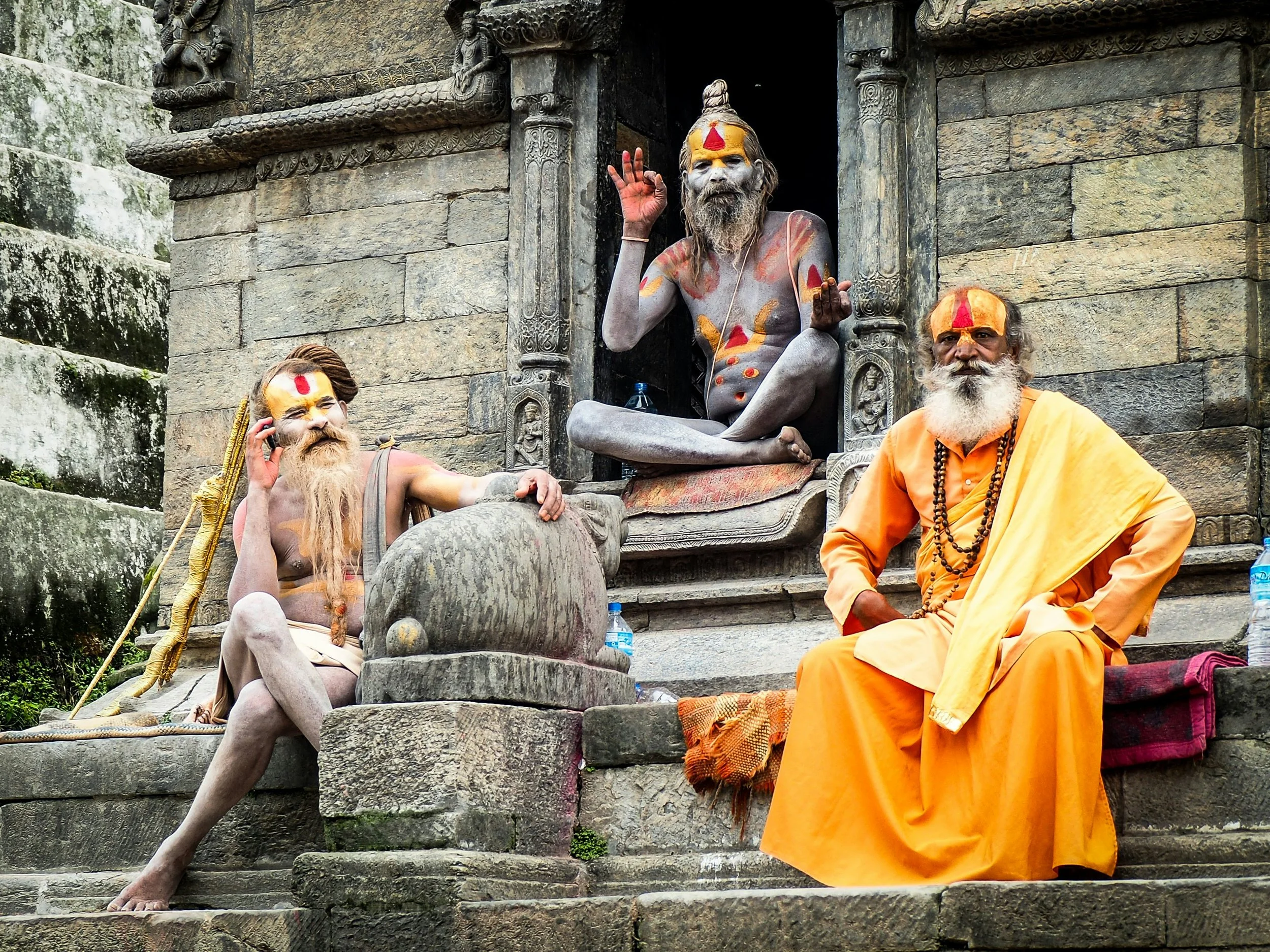
Dress modestly: Covering shoulders and knees, especially in temples, mosques, and smaller communities, is both respectful and often expected.
Remove shoes and sometimes headwear when entering many places of worship and some homes; follow local cues and guide advice.
Limit public displays of affection and maintain a calm, polite tone even in stressful situations; raised voices often escalate rather than solve issues.
Ask before photographing people, especially women, children, and anyone engaged in religious or private activities.
Learning a few words of Hindi or regional languages for greetings and thanks, and showing patience with delays and bureaucracy, goes a long way towards positive interactions.
Laws, road rules, and responsible riding
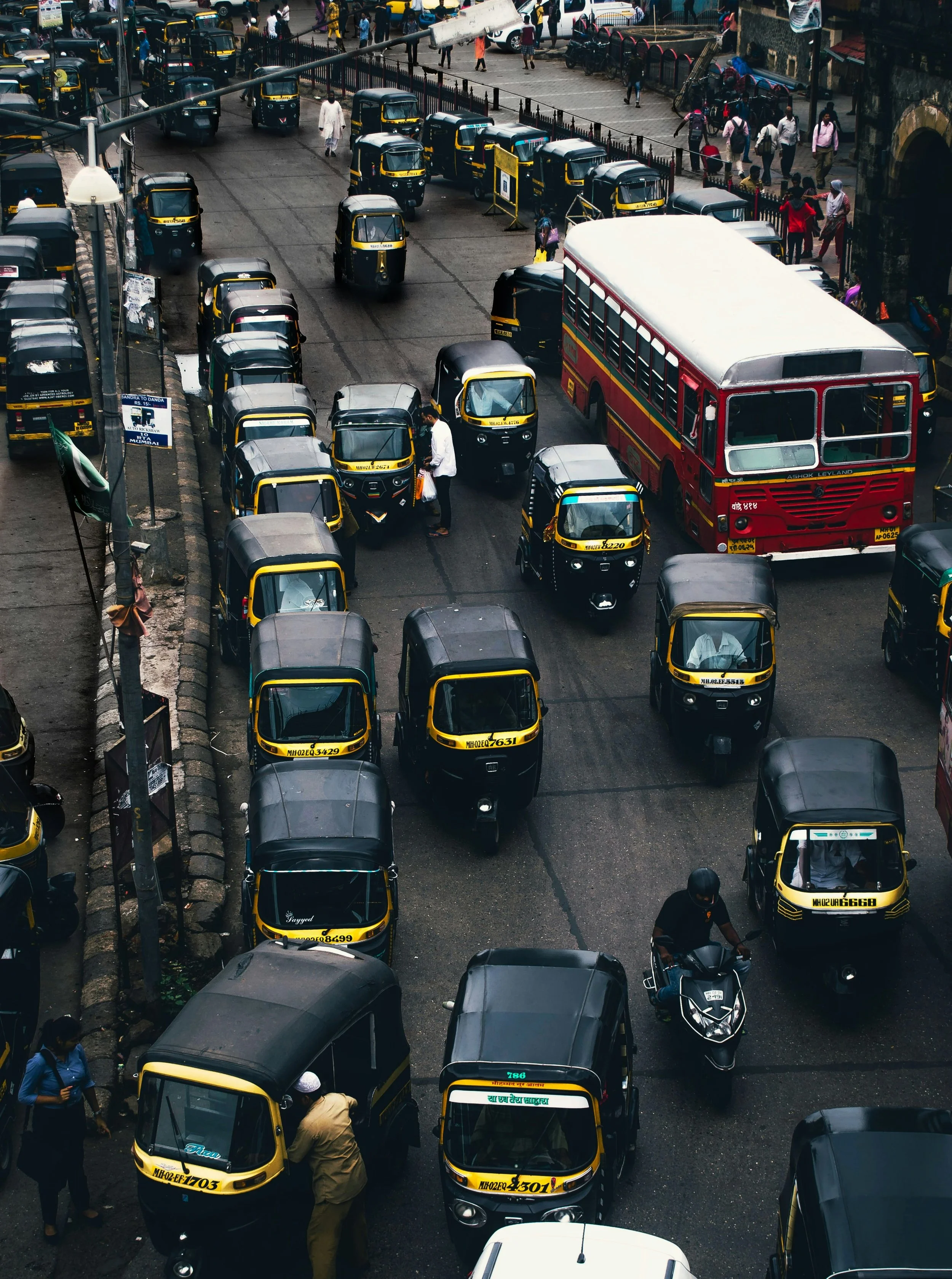
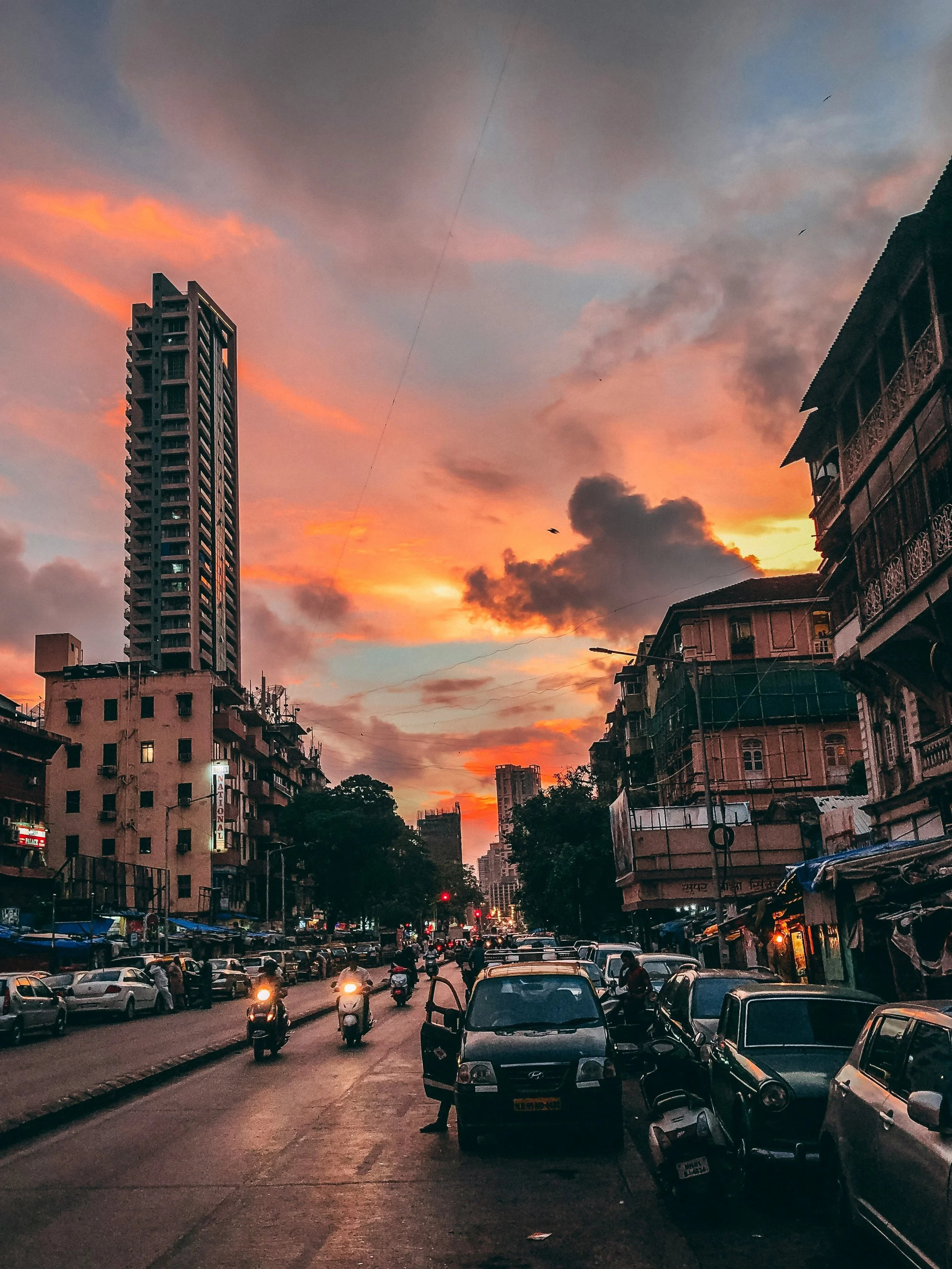
India drives on the left, and road environments can be intense: highways mixing lorries, buses, auto‑rickshaws, scooters, animals, and pedestrians all in the same space. For cyclists, defensive habits and route choices matter more here than in many countries.
Many operators avoid cycling in large city centres entirely, starting rides only after a vehicle transfer out of dense traffic.
Riding in a predictable line, signalling clearly, and never assuming vehicles will stop—even at marked crossings—is essential.
Helmets should be worn at all times, and night riding on rural or mountain roads should be avoided because of poor lighting, road conditions, and driver behaviour.
Laws around alcohol, narcotics, and restricted areas vary by state, so relying on operator guidance and checking any special permits needed for border or tribal areas is important.
Safety: traffic, scams, and regional advisories
For well‑prepared visitors, India is widely described as a safe and rewarding destination, with most problems arising from traffic, minor crime, and health rather than serious violence.
Key points for cyclists and tour participants:
Traffic: India has some of the world’s highest rates of road fatalities; road risk is often cited as the single biggest physical danger for travellers. Cycling with reputable operators on quieter routes, wearing helmets, and avoiding night riding are crucial mitigations.
Scams and petty crime: Overcharging, unofficial “guides”, and common scams around taxis and tickets are well‑documented; using hotel‑recommended transport, agreeing prices in advance where necessary, and keeping valuables close reduces exposure.
Regional risks: Some border regions, particularly parts of Kashmir and areas along the India–Pakistan border, carry higher security risks and are subject to changing government advisories. Cycling itineraries should be planned well away from any areas flagged in current official advice, relying on operators who follow those updates closely.
Women, especially solo travellers, may face particular challenges, including unwanted attention and harassment in some locations; modest clothing, group travel, and cautious transport choices are widely recommended responses.
Money, visas, and day‑to‑day logistics
India is increasingly digital but still heavily cash‑friendly, especially outside the biggest cities.
The Indian rupee is the only legal tender, with ATMs widely available in cities and larger towns along most popular tourist routes, though less consistent in remote or high‑altitude areas. Cards and mobile payments are accepted at many hotels, restaurants, and shops, but cash remains useful for rural tea stalls, small eateries, and local markets.
Visa rules depend on nationality, but many visitors use an e‑visa system for tourism; official government websites and embassies are the only reliable sources for up‑to‑date requirements. Carrying printed copies of visa confirmations, passport details, and insurance cover separate from the originals provides extra resilience if documents are lost or stolen.
Food stops, markets, and supporting local communities
Cycling naturally weaves in countless opportunities to support local communities through where and how money is spent.
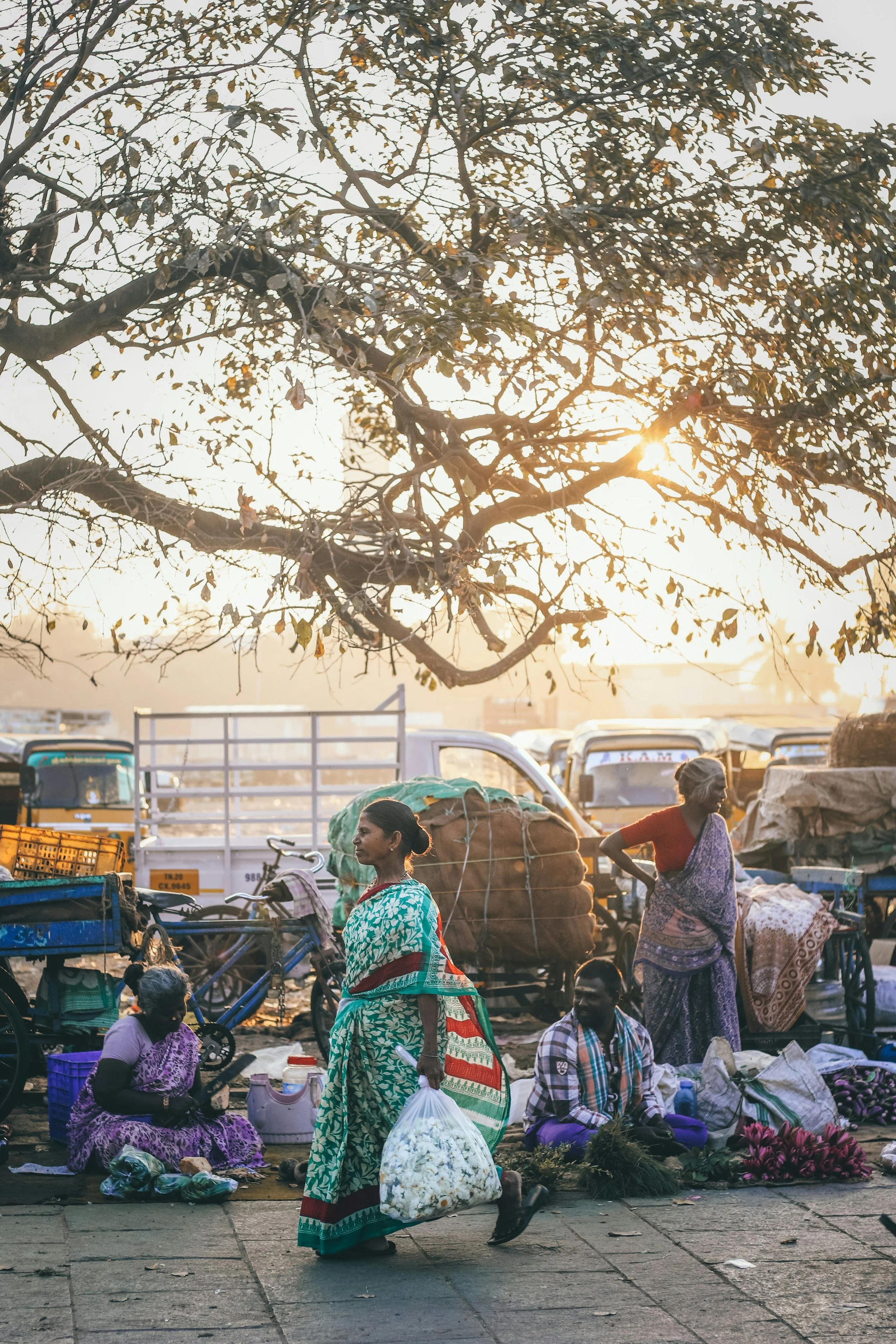
Tea and snack stops: Chai stalls and small eateries along the route offer affordable breaks and a chance to interact with local people, while spreading tourism income beyond big hotels.
Markets and handicrafts: Buying textiles, crafts, spices, and small household items in village or city markets can directly benefit artisans and traders, especially when using fair, respectful bargaining.
As in other countries, avoiding products linked to wildlife exploitation or dubious antiquities is both ethical and practical, helping prevent legal or customs issues later.
Final thoughts: a continent’s worth of riding in one country
Cycling India means rolling through a series of worlds: the pink streets of Jaipur at dawn, mist in Kerala’s tea gardens, desert roads near Jaisalmer, Himalayan valleys beneath snow peaks, and city lanes filled with the scent of spices and street food.
With thoughtful preparation—choosing regions and seasons carefully, packing for heat and cultural norms, prioritising health and traffic safety, and staying alert to current advisories—an organised cycling tour in India becomes less about surviving the chaos and more about savouring an extraordinary, layered journey at bike speed.
*Disclaimer: This article was researched and drafted with the assistance of artificial intelligence (AI)
