
Riding Thailand: Elegant, Easygoing Tips for a Coast‑to‑Mountain Cycling Tour
Thailand is a dream destination for cycle touring: gentle seaside stretches in the south, rolling countryside and rice fields in the centre, and misty, more demanding mountain routes in the north around Chiang Mai and Mae Hong Son. Good roads, welcoming guesthouses, and excellent food make it relatively easy to travel, yet the heat, traffic, and regional safety considerations mean that a little preparation goes a long way.
Below is a refined, experience‑oriented guide for travellers joining organised cycling tours in Thailand — whether the journey is a relaxed coastal ride from Bangkok towards the Gulf or a multi‑day circuit through northern hill country and historic towns.
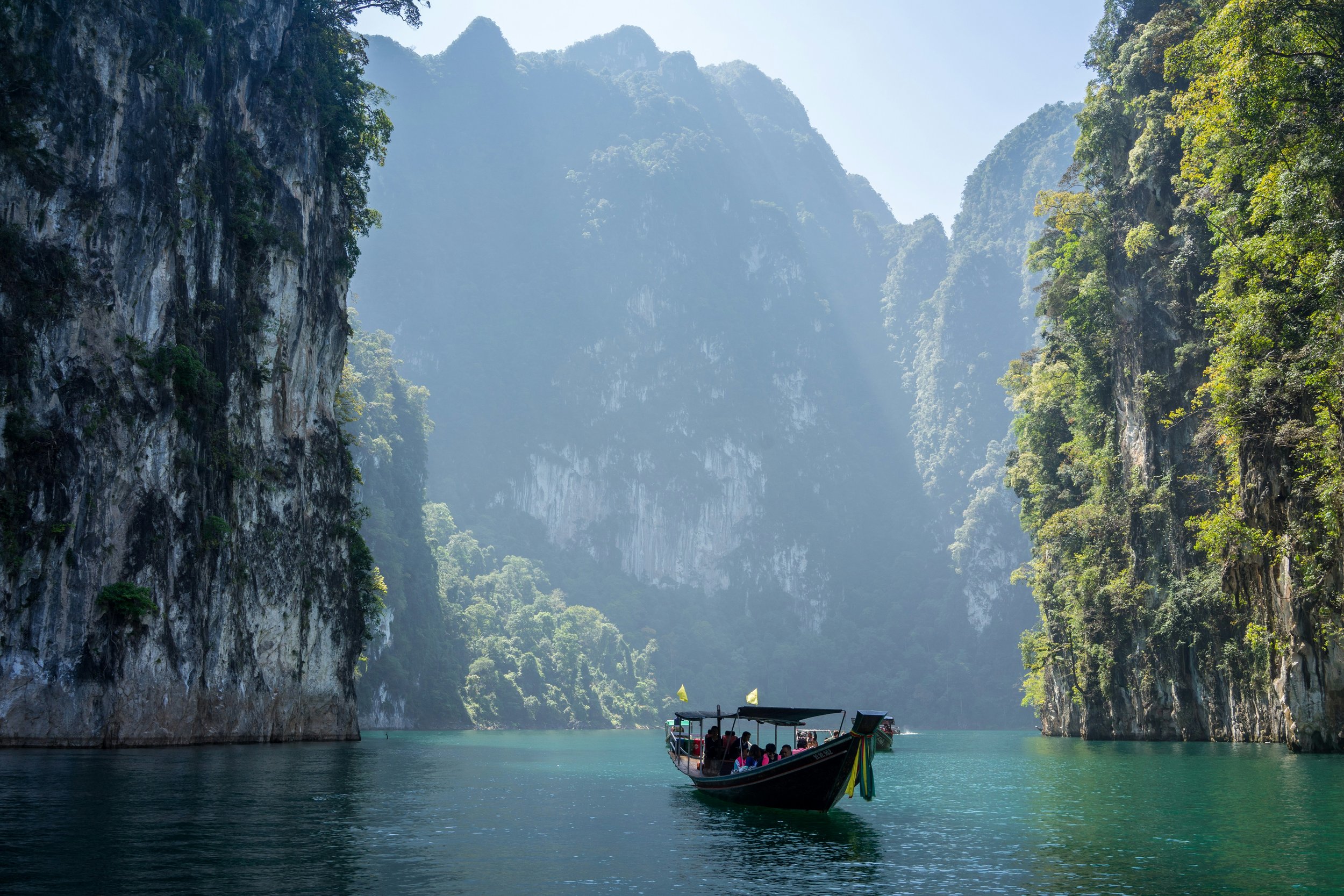
Getting into the Thailand cycling mindset
Thailand offers something for almost every type of cyclist, from beginners who prefer flat, coastal routes to experienced riders looking for long climbs and mountain scenery in the north. The main physical challenges are often the heat and humidity rather than the gradients, especially in the south and centre of the country.
On a bike, everyday Thailand comes into focus: temple courtyards at dawn, roadside noodle stalls, fruit plantations, and small markets that most visitors in buses never see. Travellers who embrace early starts, steady pacing, and flexible expectations—accepting that some days are about distance while others are about lingering views and food stops—tend to enjoy their tours here the most.
When and where to ride in Thailand
Choosing season and region carefully can transform the experience from challenging to pleasantly demanding.
The most comfortable cycling season in much of Thailand runs from roughly November to March, when temperatures are lower and conditions are drier, especially in southern coastal areas. From April to June, intense heat makes midday riding difficult, while July to October brings a rainy season with heavy showers and occasional flooding in some regions.
Popular areas and styles of guided rides include:
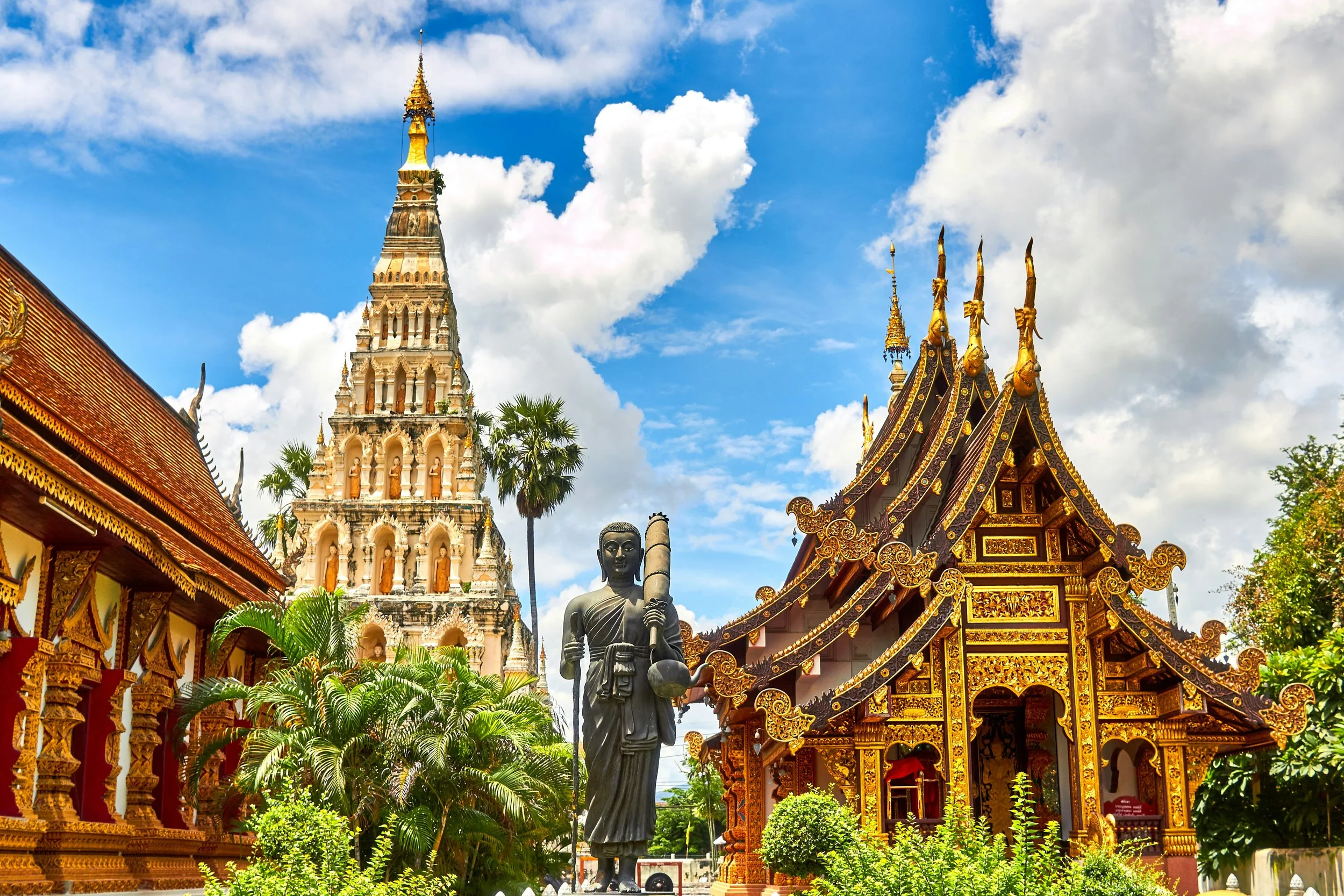
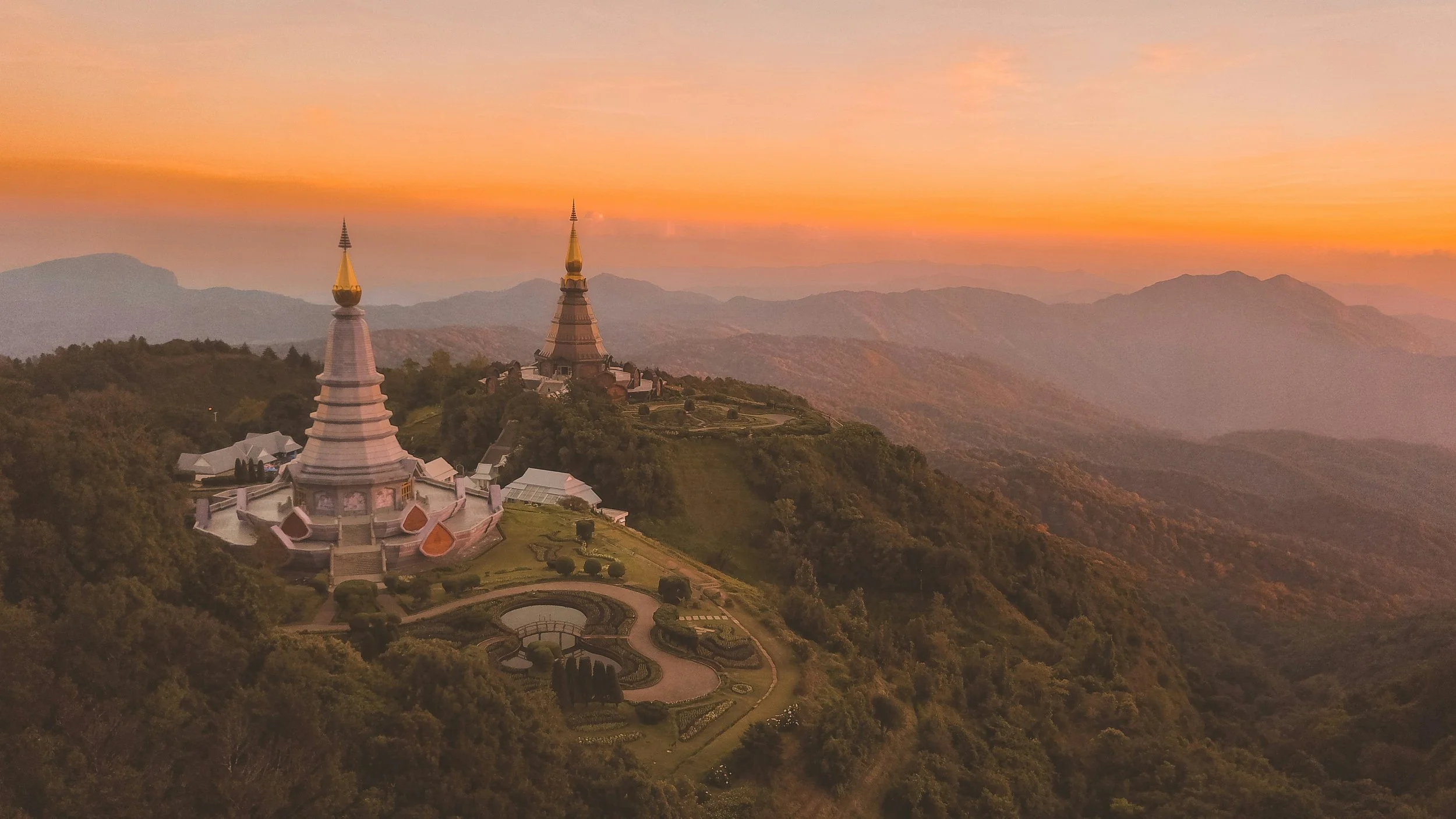
Northern Thailand (Chiang Mai, Chiang Rai, Mae Hong Son): Mountainous terrain, cooler air, hill‑tribe villages, and temple towns; ideal for riders comfortable with climbs and descents.
Central and Eastern Thailand: Rural backroads, rice fields, historic cities like Sukhothai and Ayutthaya, and smaller hills—good for intermediate cyclists.
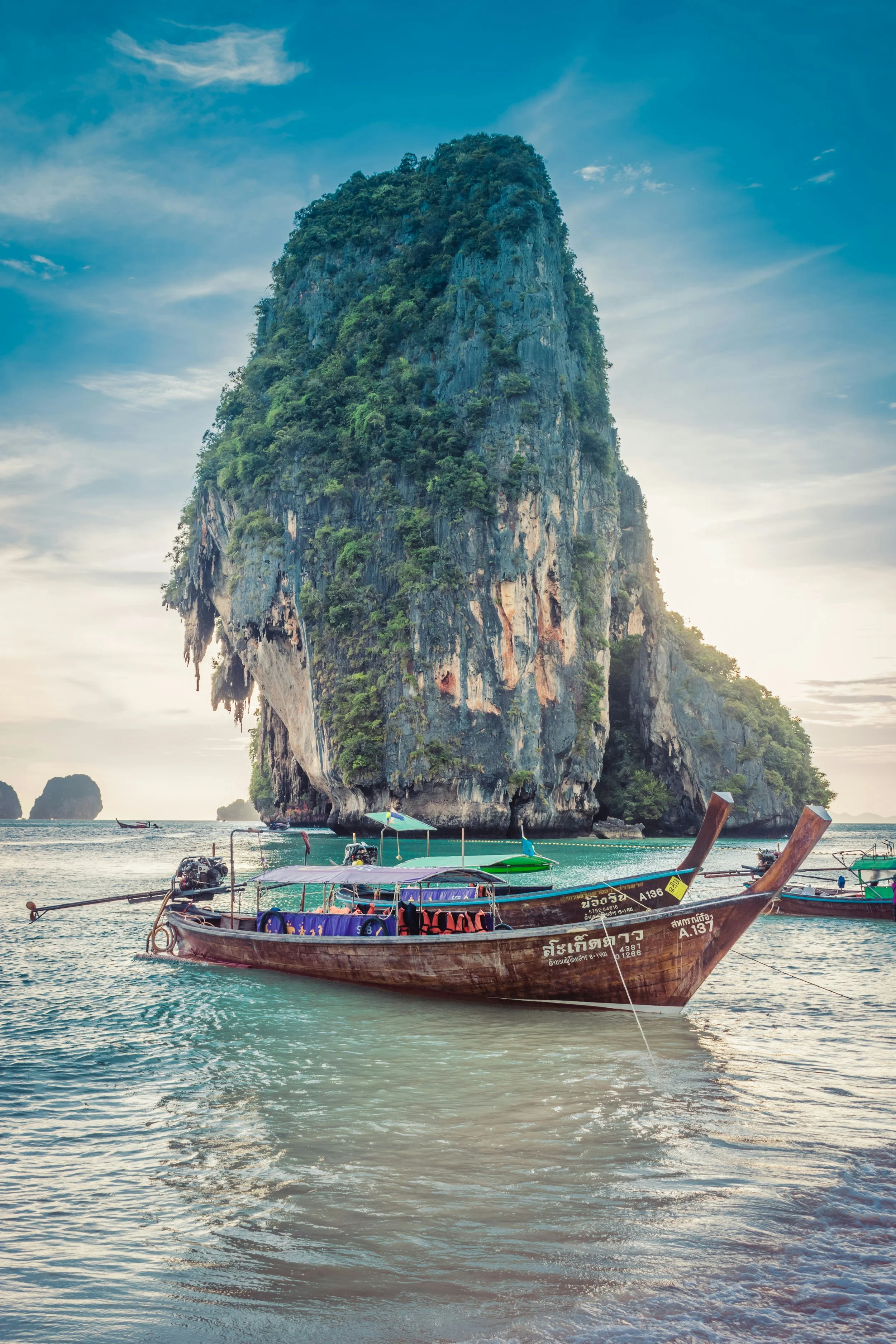
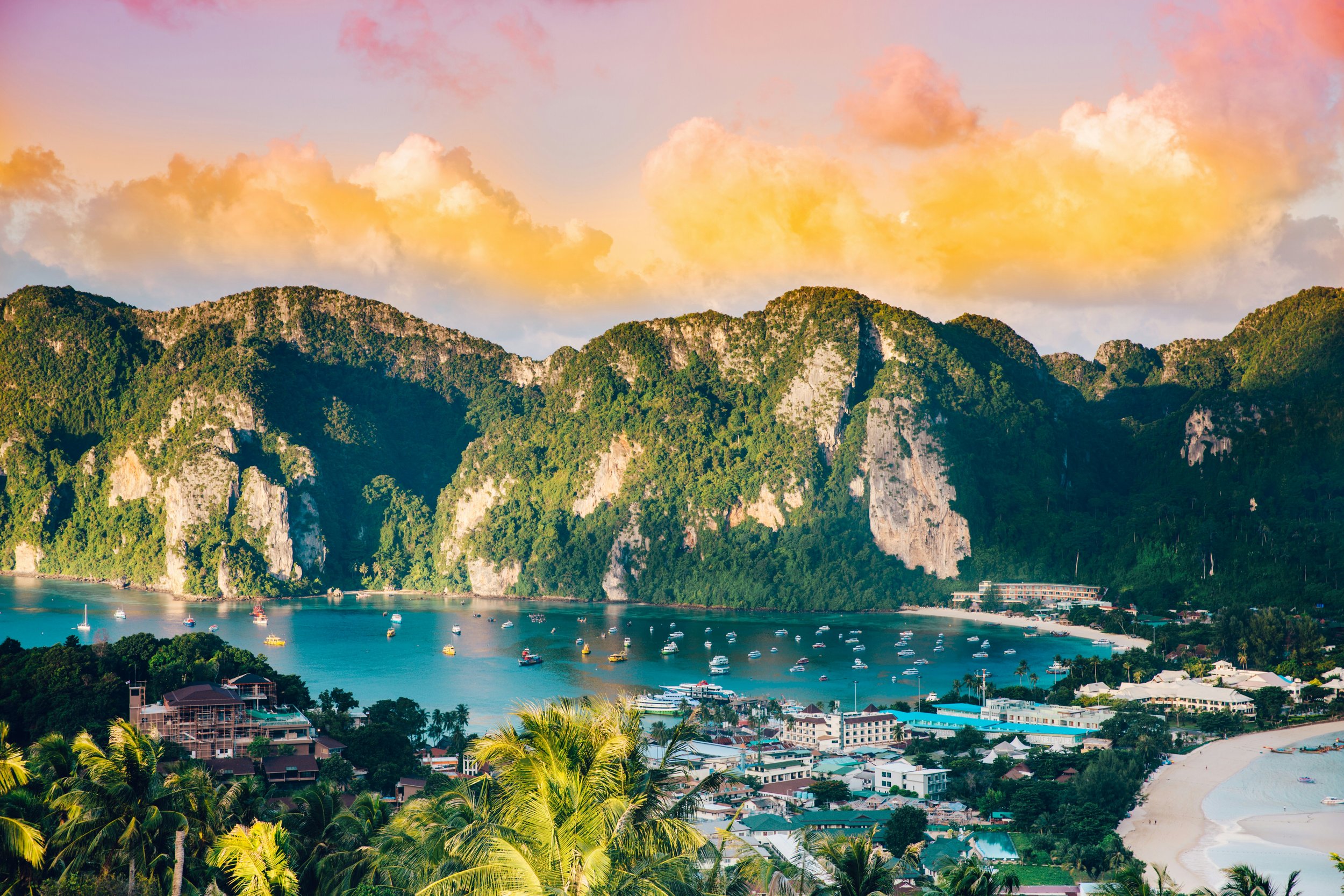
Southern Thailand (Hua Hin, Chumphon, Krabi, Phuket, Koh Samui): Mostly flatter coastal routes, islands and national parks, perfect for those seeking scenery and sea breezes more than elevation gain.
Tour operators can adapt distance and difficulty to group ability, so sharing honest information about fitness and riding experience before booking is essential.
Packing smart for a Thailand cycling tour
On‑bike gear
Many cycling holidays in Thailand supply quality rental bikes, but personal kit is the difference between a tolerable and a truly comfortable tour.
Helmet: A must; road accident rates in Thailand are high, particularly involving motorbikes and speeding, so head protection is non‑negotiable.
Cycling clothing: Lightweight, breathable jerseys and padded shorts help manage sweat and friction during long, hot days.
Gloves and sunglasses: Useful against rough surfaces, sun, wind, and dust.
Lights and reflective details: Essential for early starts, cloudy days, or tunnels, even though riding after dark is best avoided.
Small handlebar or frame bag: For sunscreen, tissues, camera, snacks, and a compact rain jacket.
Off‑bike wardrobe
Thailand is relaxed yet modest, particularly around temples and in smaller communities.
Light, airy clothing that covers shoulders and knees for temple visits and village stops.
A lightweight scarf or shawl for extra coverage or sun protection.
Sandals or flip‑flops plus one pair of closed shoes for evenings or simple hikes.
A packable rain jacket or poncho during the wet season.
Documents and health kit
Passport, printed and digital copies of visa or visa‑exemption details, and comprehensive travel insurance.
Basic first‑aid kit: plasters, antiseptic wipes, pain relief, rehydration salts, and any regular medication.
High‑SPF sunscreen and strong insect repellent to protect from intense sun and mosquito‑borne disease risks.
Health and healthcare: staying fit to ride
Visiting a travel clinic several weeks before departure is strongly recommended.
Official health guidance for Thailand often includes ensuring routine vaccines are up to date and considering additional protection against diseases such as hepatitis A, typhoid, hepatitis B, rabies, and Japanese encephalitis, depending on itinerary and activities. Malaria and dengue are present in some rural and forested parts of Thailand, particularly away from major cities, so tailored advice on mosquito precautions and any antimalarial medication is important.
Practical habits on tour include:
Drinking bottled, boiled, or properly filtered water rather than tap water.
Eating mainly at busy food stalls and restaurants with high turnover, being cautious of undercooked meat and unwashed raw vegetables.
Using insect repellent, wearing long sleeves and trousers in the evening, and choosing rooms with screens, nets, or air‑conditioning where possible.
By early 2026, Thailand has removed COVID‑19 vaccination and testing requirements for most arriving tourists, but staying up to date with general vaccination and hygiene advice remains prudent.
Culture, dress, and respectful behaviour
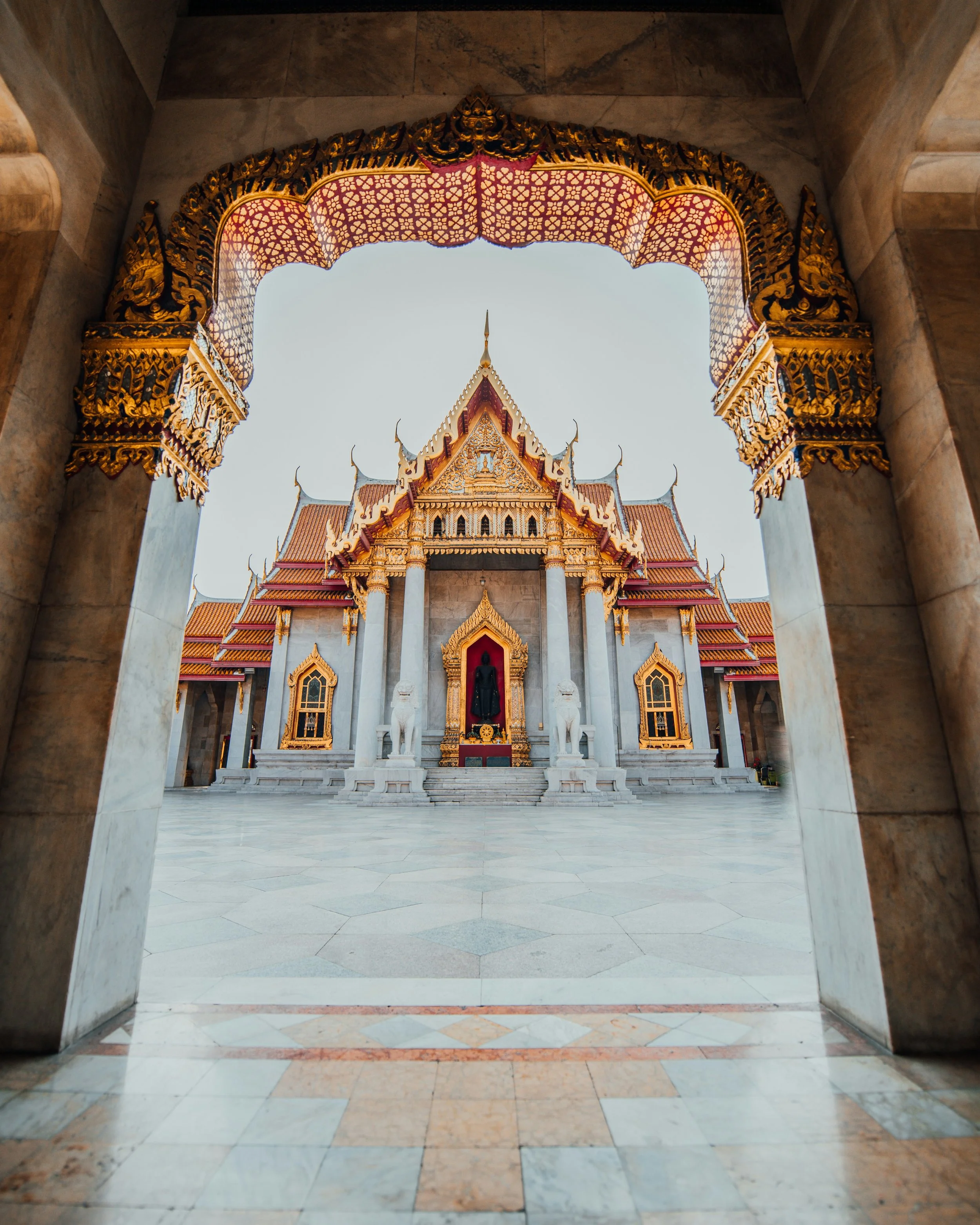
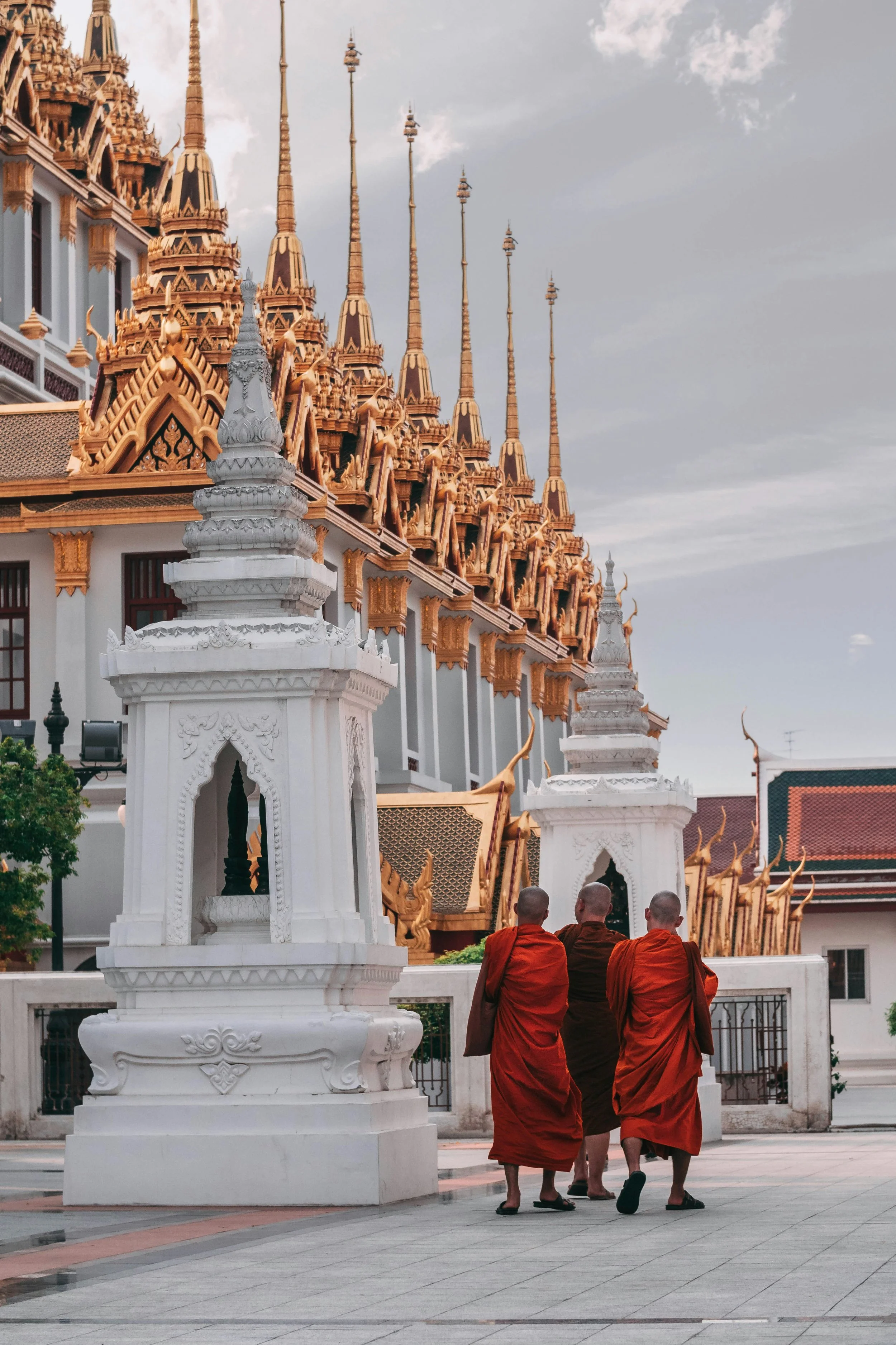
Thailand is known as the “Land of Smiles”, but that warmth is also tied to unspoken rules around respect, especially in Buddhist and royal contexts. Cyclists pass close to temples, village homes, and royal portraits, so cultural awareness matters.
Dress modestly at temples and in villages: shoulders and knees covered; avoid very revealing sportswear when off the bike.
Remove shoes and hats when entering temple buildings and many homes; never point feet at Buddha images or people.
Show respect to the monarchy: Thailand’s lèse‑majesté laws are strict, and critical comments about the royal family, even online, can carry severe penalties.
Ask before close‑up photos of monks, children, or people working or praying.
A calm tone, a slight wai (palms together) in formal situations, and a few basic Thai phrases help create easy, positive interactions on the road.
Laws, road rules, and responsible riding
Road infrastructure in Thailand is generally better than in many neighbouring countries, with extensive networks of paved roads and countless quieter side routes. However, traffic can be fast and sometimes unpredictable, especially where motorbikes, pickups, buses, and trucks mix on main roads.
Key habits for safe, respectful riding include:
Keeping to the left (Thailand drives on the left), riding predictably, and signalling clearly.
Avoiding busy urban arterials when possible; many tours shuttle riders out of city centres before starting the cycling day.
Wearing a helmet and avoiding alcohol before or during rides—road accidents remain a major cause of injuries and deaths, particularly during holiday periods such as Songkran.
Local laws are strict around drugs and, increasingly, around vaping and e‑cigarettes; possession of illegal drugs or banned devices can lead to heavy fines or imprisonment, so checking current rules before packing is essential.
Safety: traffic, petty crime, and regional advisories
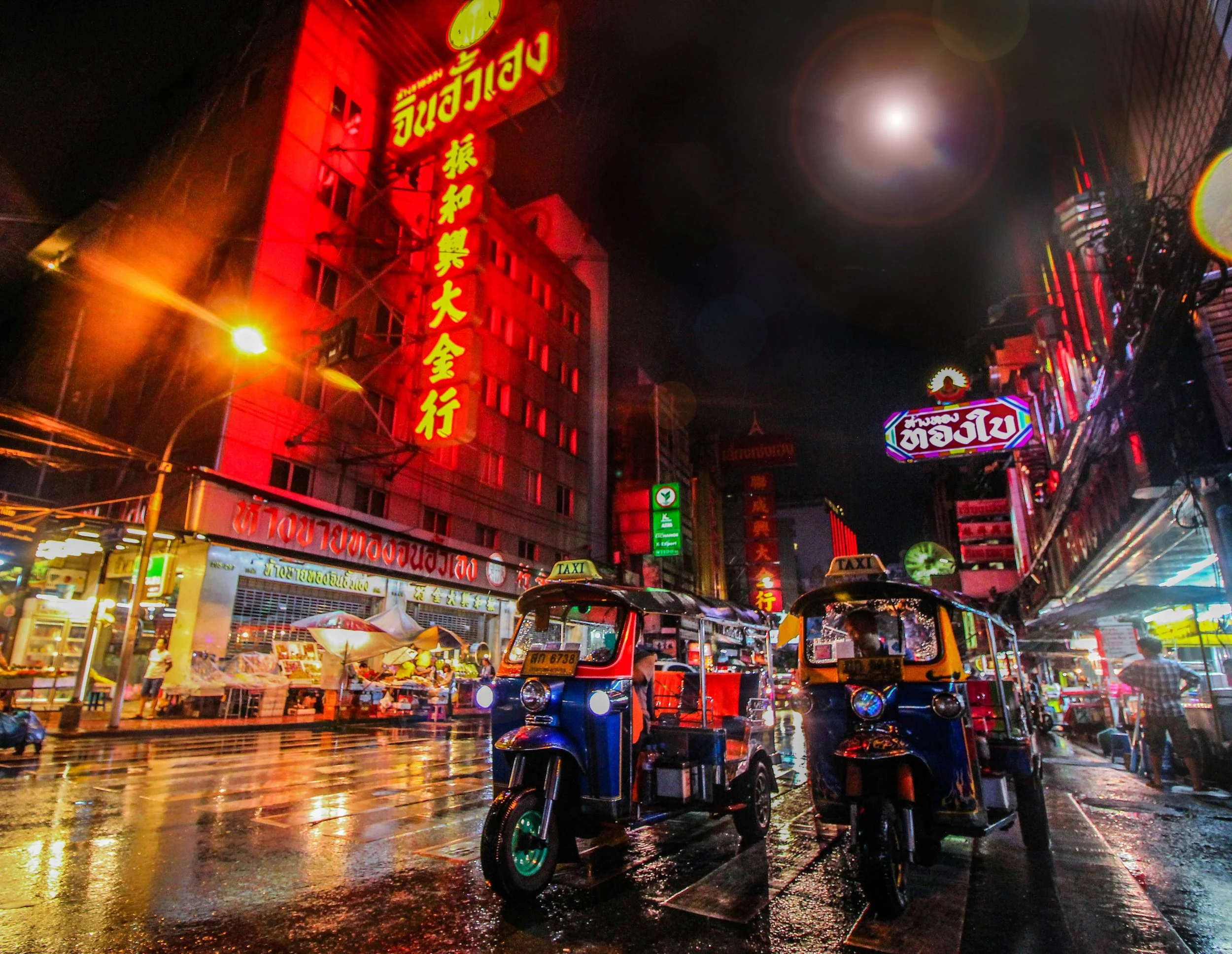
For most travellers, Thailand remains a welcoming destination with generally good safety levels in main tourist hubs such as Bangkok, Chiang Mai, Phuket, and the islands, provided normal precautions are taken.
Traffic and road safety: Chaotic driving, speeding, drunk driving, and motorbikes weaving through traffic are among the biggest risks, making defensive cycling and careful route choice critical.
Petty crime: Pickpocketing and bag snatching can occur in crowded markets, nightlife zones, and on public transport; valuables should be kept in secure, cross‑body bags, and flashy displays of cash or electronics are best avoided.
Regional risks: Multiple governments now advise against all travel within about 50 kilometres of parts of the Thailand–Cambodia border and recommend avoiding certain southern provinces due to security issues and sporadic violence. Cycling routes should stay well away from these zones, relying on up‑to‑date official advisories and reputable tour operators that avoid affected areas.
Tourist police, reachable on dedicated hotlines in many destinations, provide an additional safety net and often speak English.
Money, visas, and day‑to‑day logistics
Thailand is relatively straightforward for everyday travel, combining broad ATM coverage with increasing card acceptance.
The local currency is the Thai baht, widely used everywhere, with ATMs common in cities and tourist towns and available in many smaller centres as well. Cards are accepted in a growing number of hotels, restaurants, and larger shops, though small eateries, markets, and rural guesthouses may still prefer cash.
Visa rules vary by nationality: many travellers receive a visa exemption for short stays, while others may need an e‑visa or traditional visa; only official government and embassy sources should be relied on for current requirements before departure. Keeping printed copies of passport details, visa confirmations, and insurance cover separate from originals provides extra security if documents are lost or stolen.
Food stops, markets, and supporting local communities
Cycling Thailand pairs naturally with its food culture: noodle shops, roadside curries, fruit markets, and coffee stands become built‑in rest stops.
Roadside stalls and markets give cyclists access to fresh fruit, local snacks, and simple meals, spreading tourism income more widely and adding flavour to each stage.
Night markets and small shops offer textiles, handicrafts, spices, and everyday items that travel well as souvenirs and support local businesses when purchased thoughtfully.
Haggling is common in markets, but a friendly, respectful approach keeps negotiations light; fixed‑price shops and cafés usually do not bargain. As in other destinations, avoiding wildlife products and suspicious “antique” items is both ethical and safer for border crossings.
Final thoughts: rolling through “Amazing Thailand” at bike speed
On two wheels, Thailand reveals itself in layers: monks collecting alms as the sun rises over Chiang Mai, palm‑lined coastal roads near Hua Hin, roadside shrines bright with marigolds, and the sizzle of street food after a long day’s ride.
With deliberate preparation—choosing the right season and region, packing intelligently for heat and humidity, respecting local culture and laws, staying on top of health and safety advice, and relying on experienced guides—cycling here becomes an elegant way to move through the country, letting each kilometre deepen the connection to its landscapes, flavours, and people.
*Disclaimer: This article was researched and drafted with the assistance of artificial intelligence (AI)
