
Pedalling Laos: Essential Tips for an Elegant, Slow-Paced Cycling Tour
Laos is one of Southeast Asia’s most rewarding countries to discover by bicycle: quiet mountain roads, mist‑filled river valleys, temple towns along the Mekong, and villages where life still moves at a gentle pace. Before clipping in, however, thoughtful preparation will make a cycling tour here smoother, safer, and far more comfortable, especially in rural and hilly regions.
Below is a refined, experience‑driven guide crafted for travellers joining organised cycling tours in Laos — whether the journey is a leisurely riverside ride near Luang Prabang or a multi‑day adventure through remote northern highlands.

Getting into the Laos cycling mindset
Laos moves at a slower pace than many of its neighbours, and a bicycle fits this rhythm perfectly.
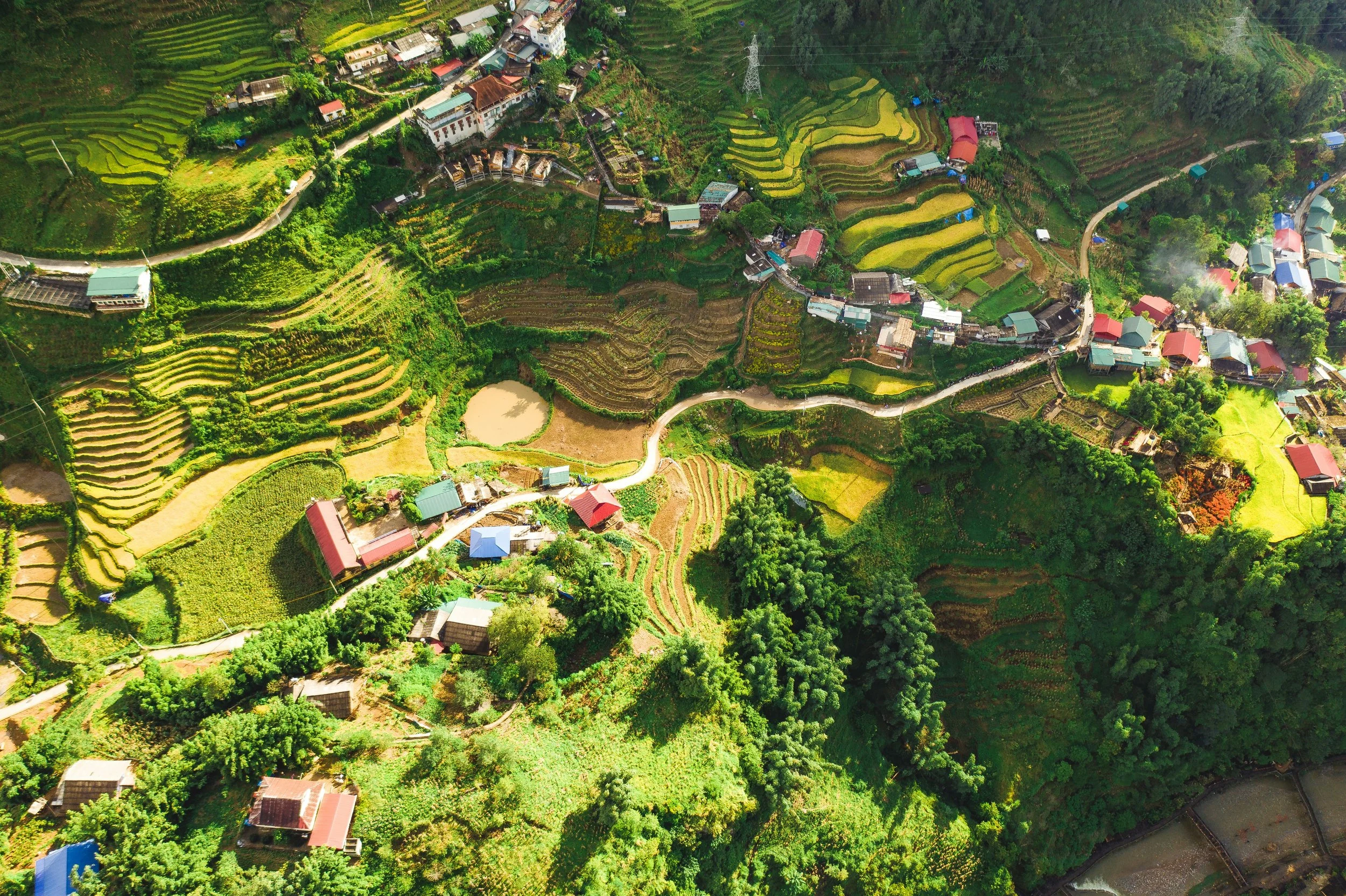
Expect long, quiet stretches of road, small villages where time seems to pause, and a soft, unhurried hospitality that rewards patience and openness.
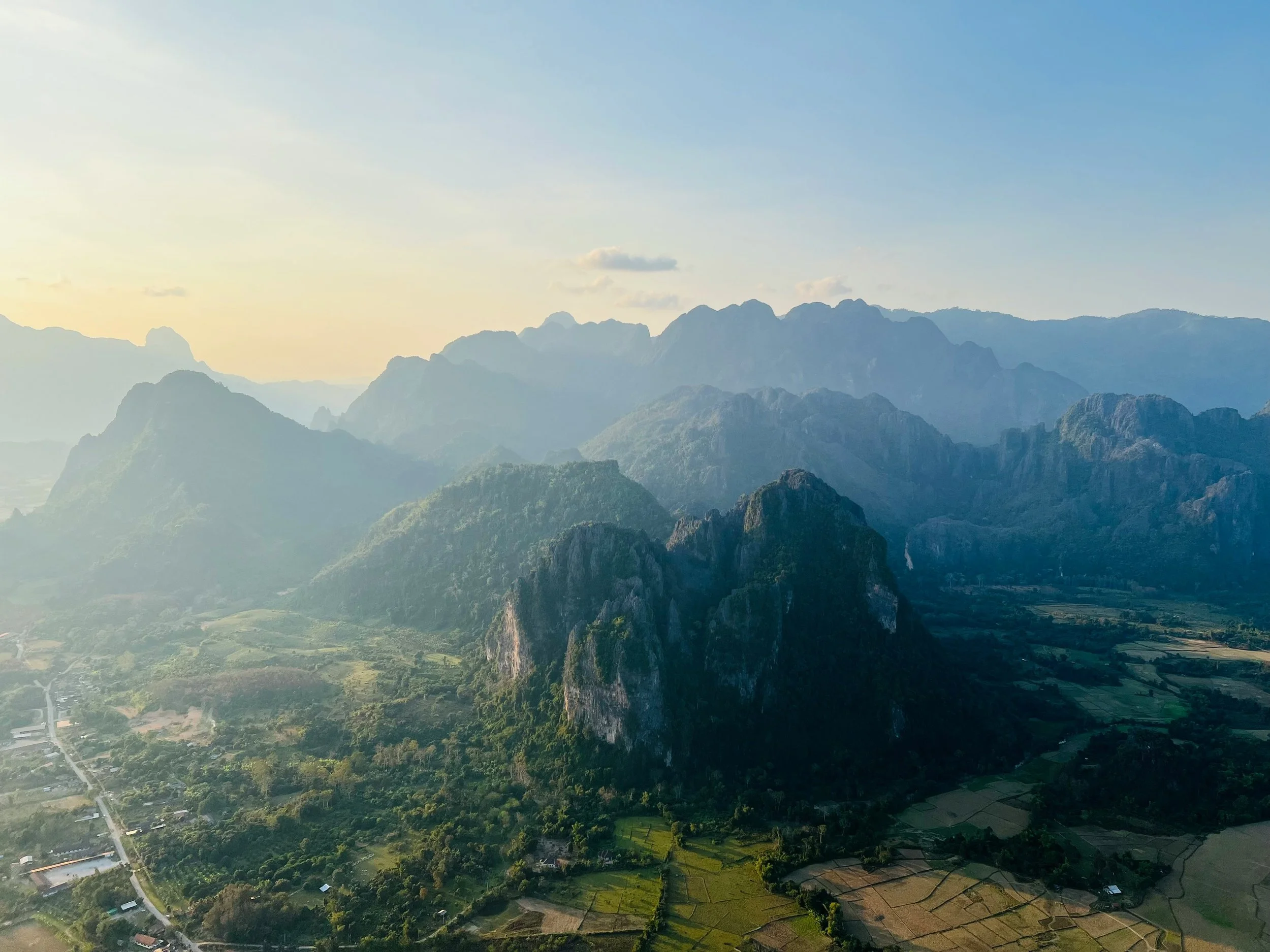
The terrain is varied: mountainous in the north around Luang Prabang and Nong Khiaw, more rolling or flat along sections of the Mekong and in the south.
Good base fitness helps, but the real key is adaptability — accepting that some climbs are slow, some roads are rough, and some days are more about absorbing the landscape than about distance.
When and where to ride in Laos
For most travellers, the best cycling season in Laos runs roughly from October to March, when temperatures are more moderate, humidity is lower, and there is plenty of sunshine.
From June to September, the rainy season brings heavier showers and slippery, muddy roads in some regions, making cycling more challenging and less predictable.
Popular areas for guided bike tours include:
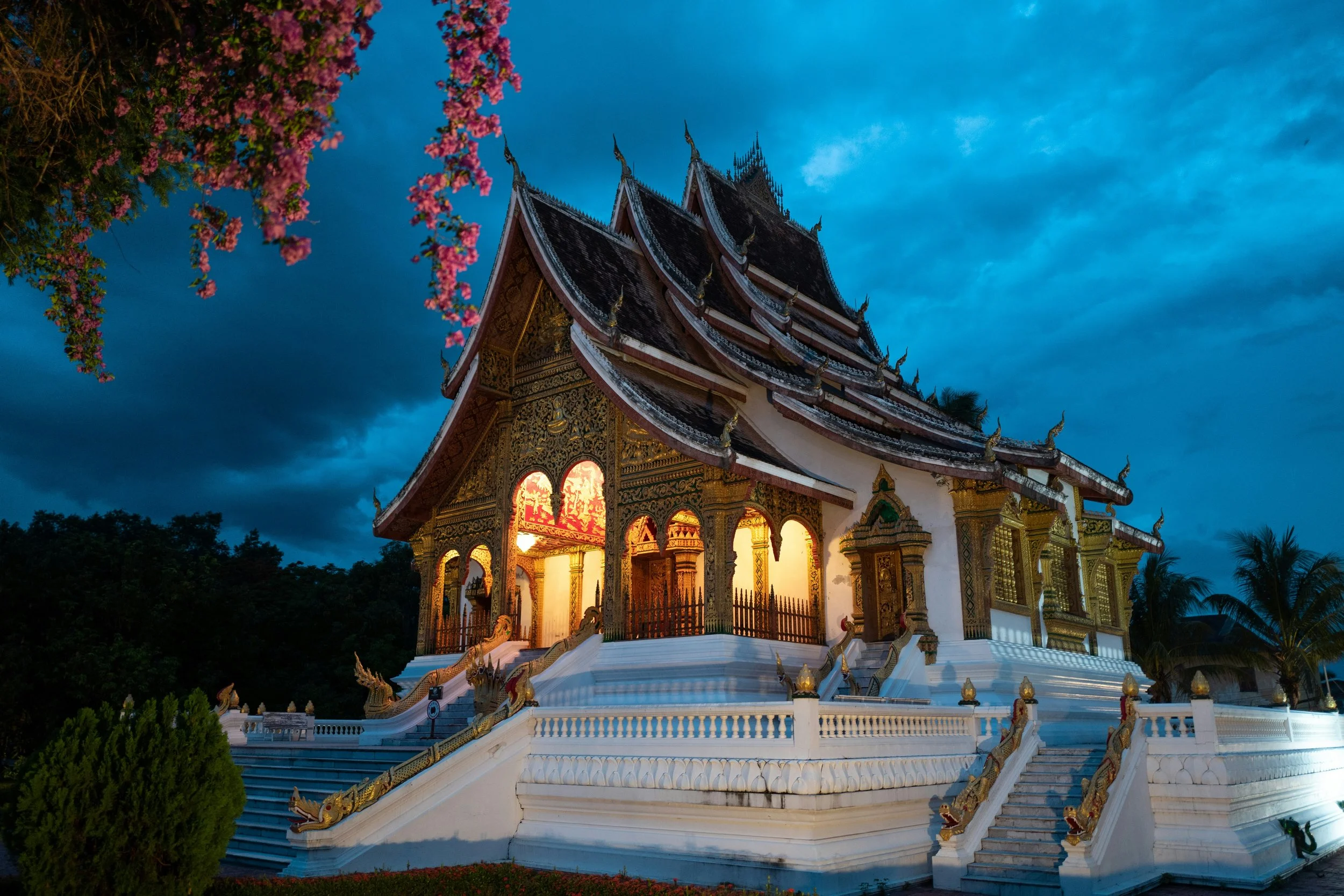
Luang Prabang – Vang Vieng – Vientiane: A classic route combining UNESCO temples, karst mountains, rivers, and small towns along Highway 13 and nearby backroads.
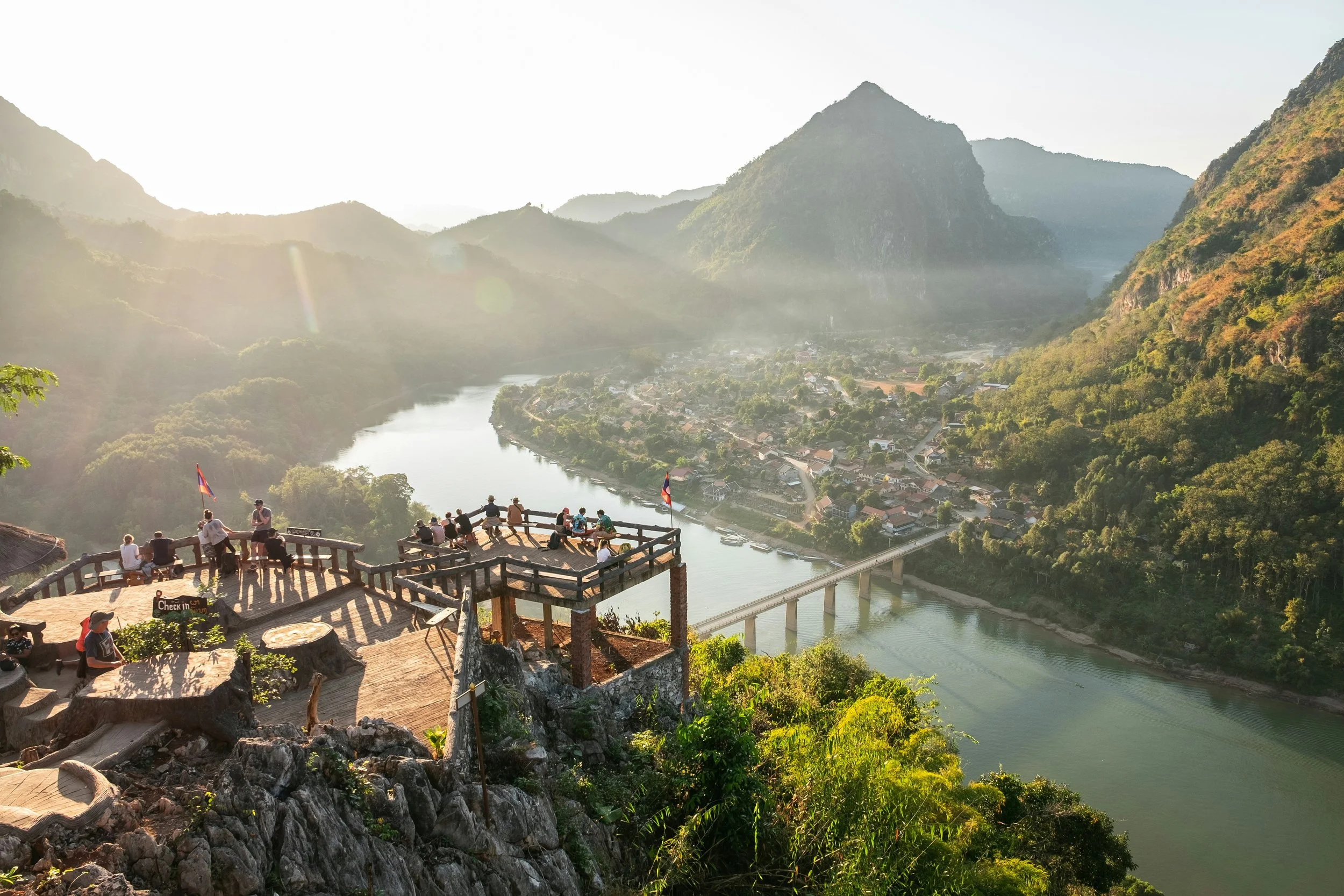
Northern loops (Nong Khiaw, Muang Khua): Steeper, more remote rides with dramatic scenery and quieter roads, better suited to experienced cyclists.
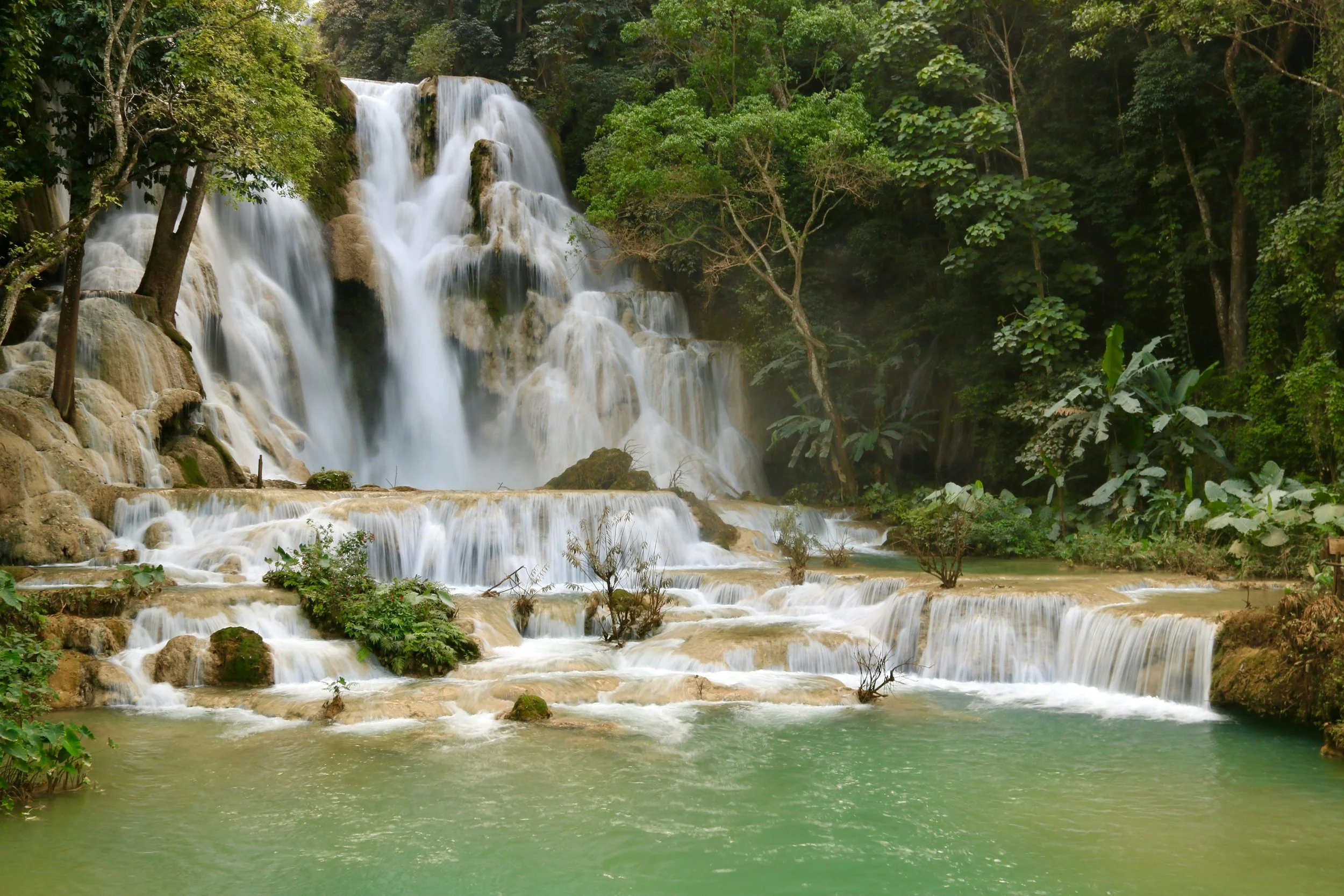
The south (Thakhek loop, 4000 Islands): Gentler gradients, river views, caves, waterfalls, and coffee country, ideal for those who prefer more relaxed terrain.
When booking a tour, be honest about fitness and comfort with hills so the operator can match you to appropriate routes and daily distances.
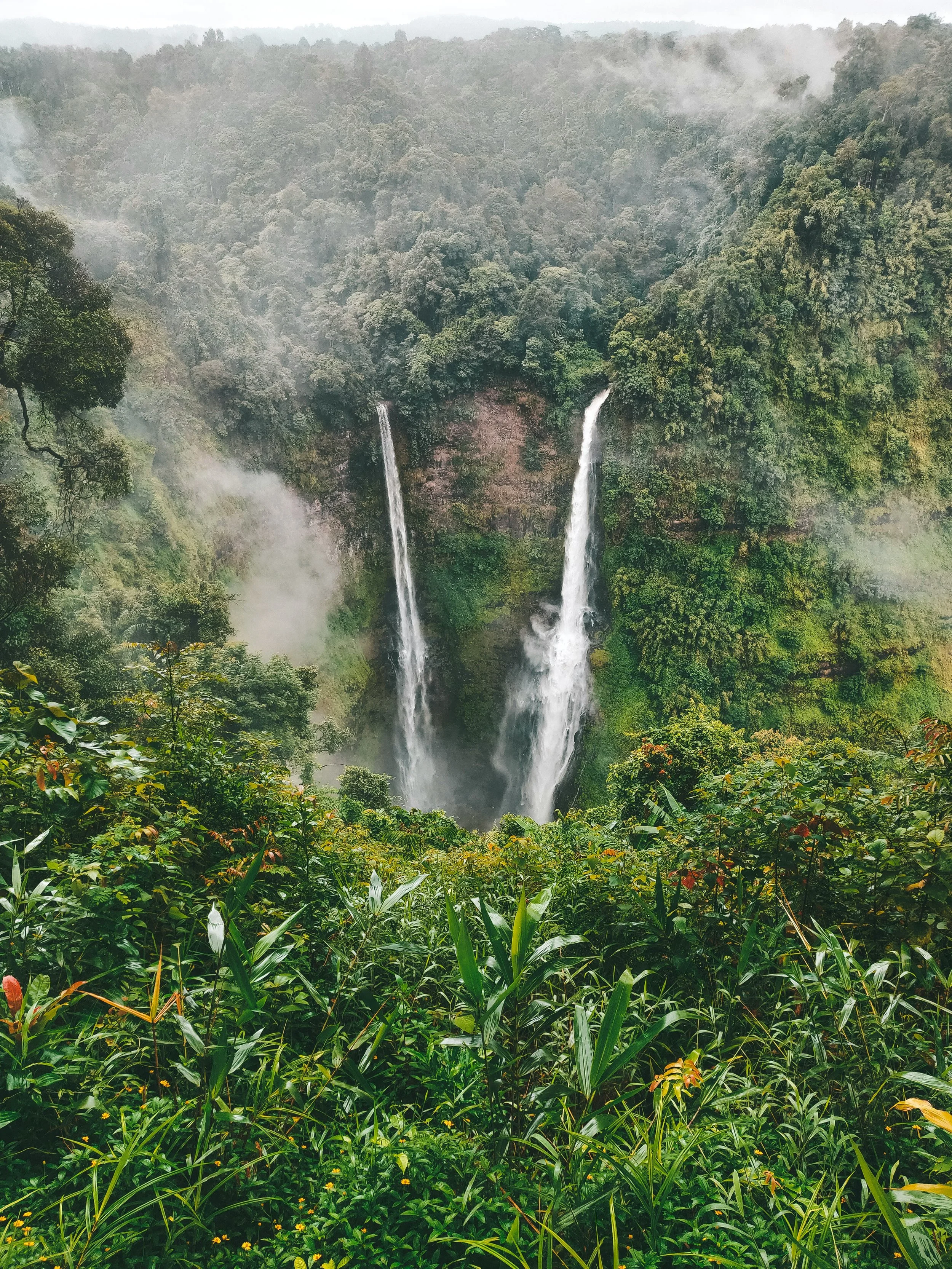
Smart packing for a Laos bike tour
On‑bike essentials
Most cycling tour operators in Laos provide bikes, but bringing your own key pieces of kit will make each day more comfortable.
Helmet: Always wear one; road conditions and driving standards can be inconsistent, so good head protection is non‑negotiable.
Cycling clothing: Light, breathable jerseys and padded shorts are important in the tropical climate; quick‑dry fabrics help with sweat and frequent hand‑washing.
Gloves and sunglasses: Reduce fatigue from rough roads and protect from sun and dust.
Lights and reflective details: Useful for overcast days, tunnels, or early starts — night riding on Laotian roads is generally not recommended.
Small handlebar or frame bag: For sunscreen, camera, snacks, tissues, and a compact rain jacket.
Off‑bike wardrobe
Laos is conservative and strongly Buddhist in many areas, so packing with modesty and comfort in mind is wise.
Lightweight trousers or longer shorts, and tops that cover shoulders for temples and villages.
A light scarf or shawl for extra coverage or sun protection.
Sandals or flip‑flops plus one pair of closed shoes for cooler evenings or simple hikes.
A packable rain jacket or poncho during the wet season.
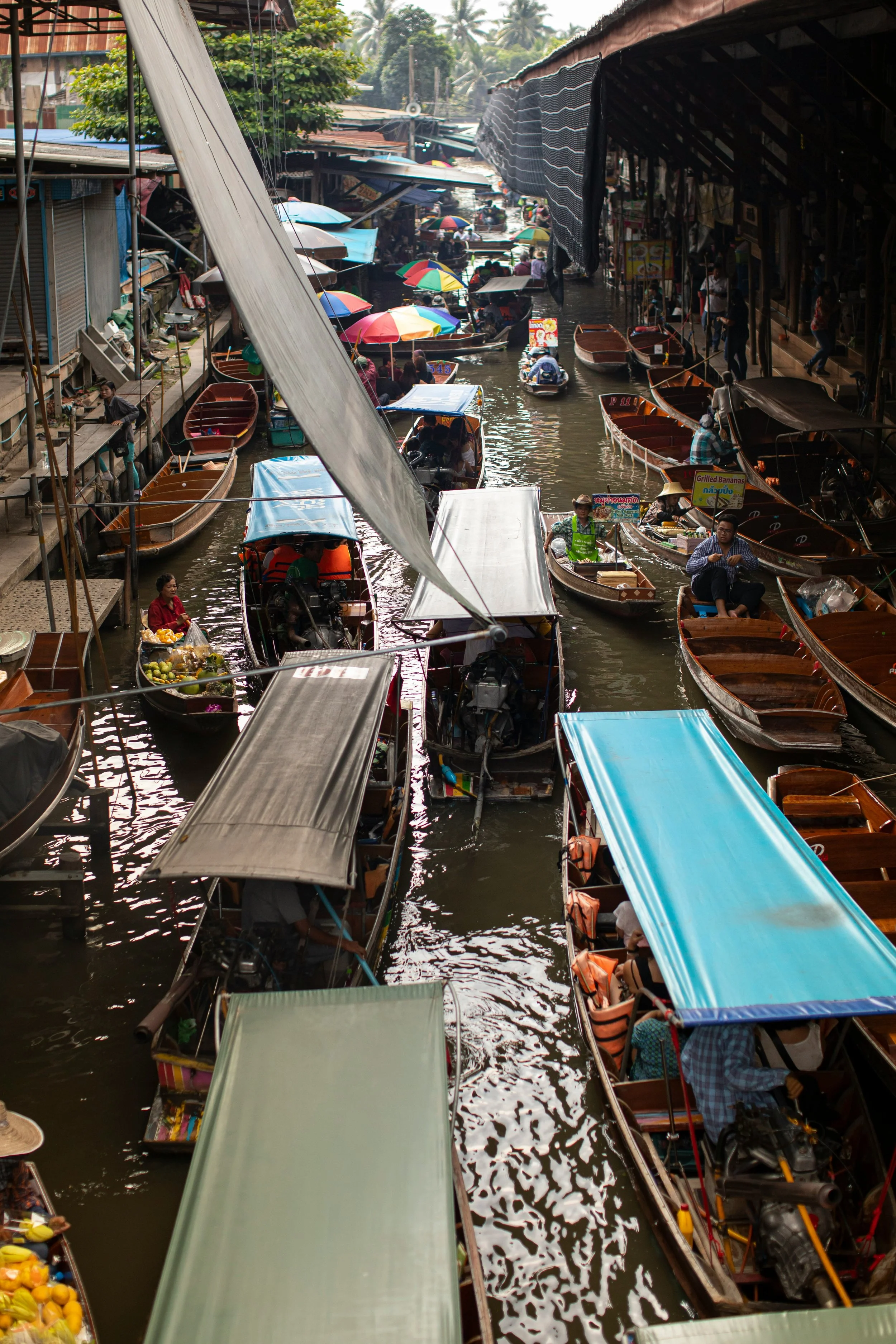
Documents and health kit
Travel insurance details, passport, and any visa paperwork (digital and printed).
Basic medical kit: pain relief, band‑aids, antiseptic wipes, rehydration salts, and medication for stomach upsets, plus personal prescriptions.
High‑SPF sunscreen and strong insect repellent — mosquito‑borne illnesses such as dengue and Japanese encephalitis occur in Laos, especially in rural areas and certain seasons.
Health and healthcare: riding well, staying well
Good preparation significantly reduces health risks on a Laos cycling tour.
Many travel health authorities recommend that visitors to Laos ensure routine vaccinations are up to date and consider vaccines such as hepatitis A, typhoid, and, depending on itinerary and activities, Japanese encephalitis and rabies.
Consult a travel clinic 4–6 weeks before departure to discuss vaccines and any malaria risk based on the specific regions you plan to visit.
Food and water precautions matter:
Tap water is generally unsafe to drink; choose bottled, filtered, or boiled water and avoid ice in places where hygiene is uncertain.
Eat at busy stalls and restaurants where food turnover is high, and be cautious with undercooked meat or unwashed raw vegetables.
Healthcare in major hubs such as Vientiane and Luang Prabang is improving, but facilities in rural areas remain basic.
Comprehensive travel insurance and good communication with your guide are essential if medical attention is needed.
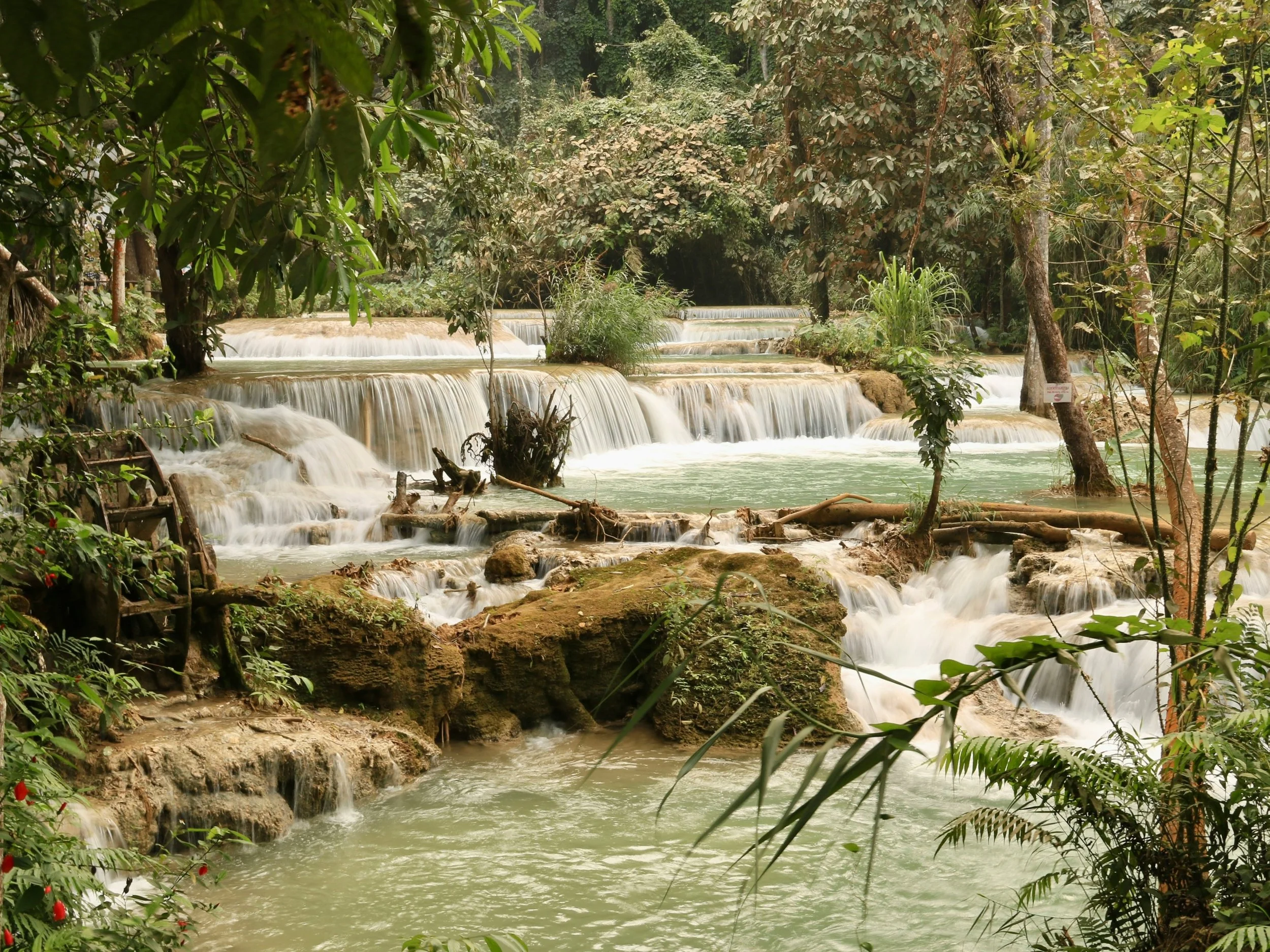
Culture, dress, and respectful behaviour
Laos is often described as one of Southeast Asia’s most peaceful, contemplative destinations, with Buddhism deeply woven into daily life.
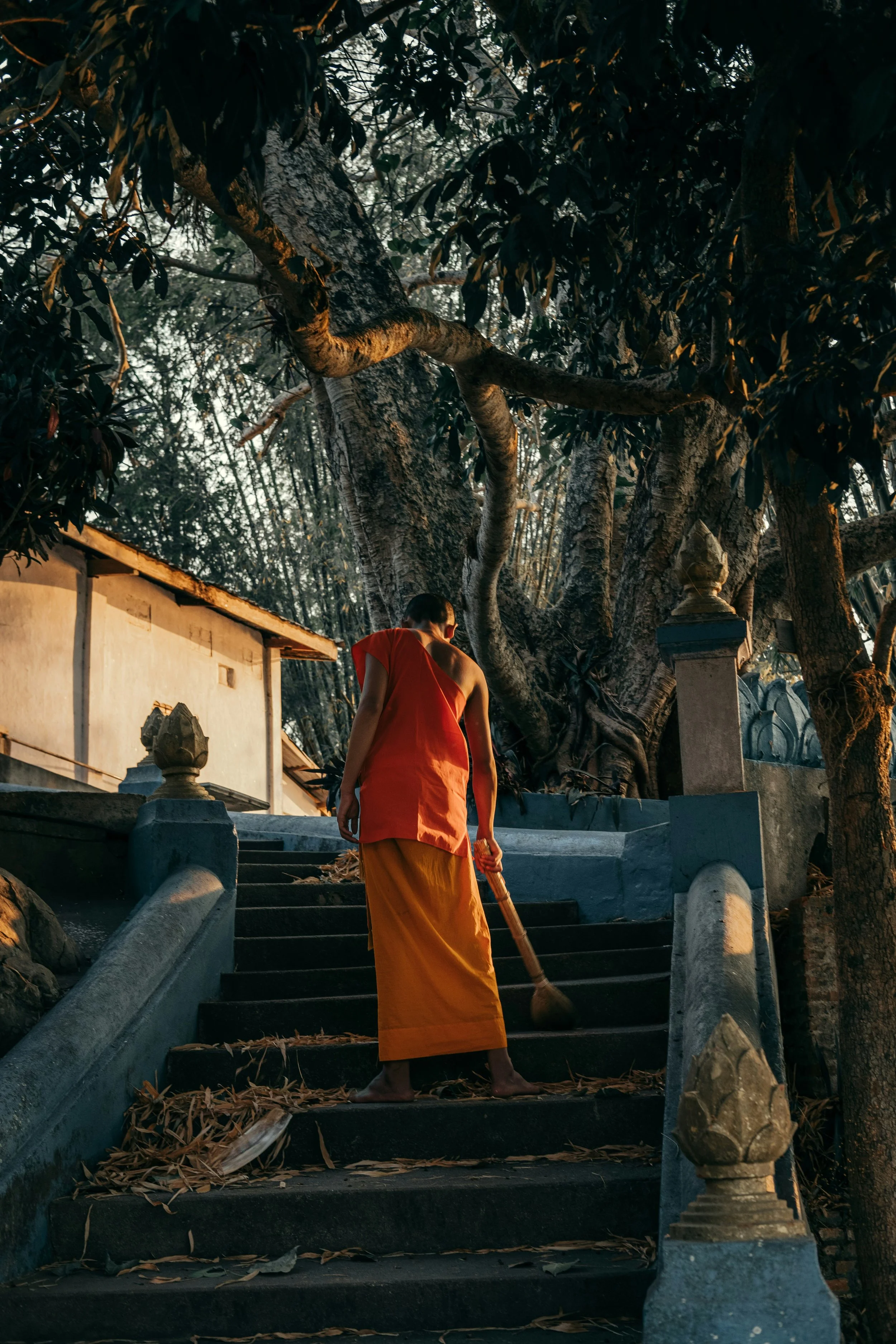
Cyclists pass close to temples, monks on morning alms rounds, and small villages where old rhythms of life remain visible.
To move respectfully through this environment:
Dress modestly in towns, villages, and temple areas: shoulders and knees covered; avoid very revealing sportswear when off the bike.
Remove shoes when entering temples and many homes or guesthouses; follow the lead of your guide and locals.
Keep voices low near monasteries and during ceremonies; public displays of affection are generally avoided.
Ask before taking close‑up photos, especially of monks, older people, and children.
A few Lao phrases — “Sabaidee” (hello), “Khob chai” (thank you)—along with a calm, unhurried attitude go a long way in creating warm exchanges.
Laws, road rules, and riding responsibly
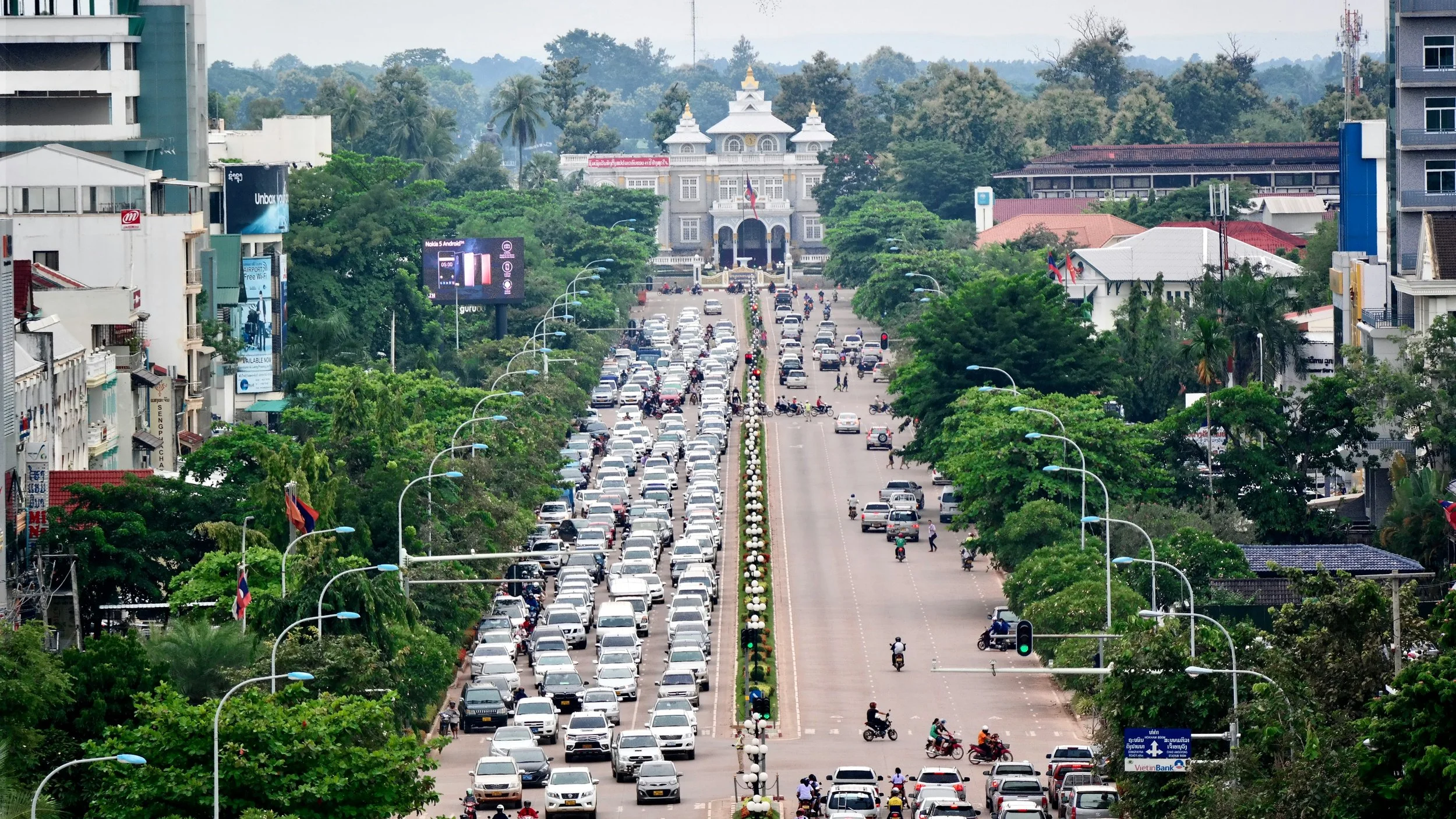
Traffic in Laos can feel more relaxed than in some neighbouring countries, but infrastructure and enforcement are uneven.
Highways may mix trucks, buses, scooters, livestock, and pedestrians, while smaller roads can be narrow and occasionally potholed.
Keep in mind:
Helmets and lights should always be used, even on short rides, as road accidents are among the primary risks for visitors.
Night riding is best avoided: many vehicles lack proper lighting, roads may be poorly maintained, and visibility is low.
In some rural or border areas, access can be restricted or sensitive; organised tours and local guides help ensure that routes comply with regulations and avoid problematic zones.
Following your guide’s instructions about where to ride, when to dismount, and how to share the road is one of the most important forms of self‑protection.
Safety: traffic, UXO, and petty crime
Overall, Laos is considered one of the safer countries in Southeast Asia, with low levels of violent crime and a generally relaxed atmosphere for travellers.
Most visitors complete their trips without serious problems; the main risks relate to transport, environment, and health rather than security.
Key points for cyclists:
Road safety: Poorly maintained roads, mixed traffic, and varying driving standards mean that extra caution is needed on descents, sharp bends, and in wet conditions.
Unexploded ordnance (UXO): Parts of rural Laos, particularly near former war zones and the Plain of Jars, still contain UXO; travellers should stick to established paths and roads and never touch suspicious metal objects.
Petty theft: Bag snatching and pickpocketing are relatively rare but can occur in cities and busy tourist areas; keep valuables close, avoid displaying expensive items, and use guesthouse or hotel safes where possible.
Basic precautions — such as not leaving phones loosely in baskets, locking bikes when unattended, and avoiding walking alone down unlit alleys late at night — are usually sufficient.
Money, visas, and everyday logistics
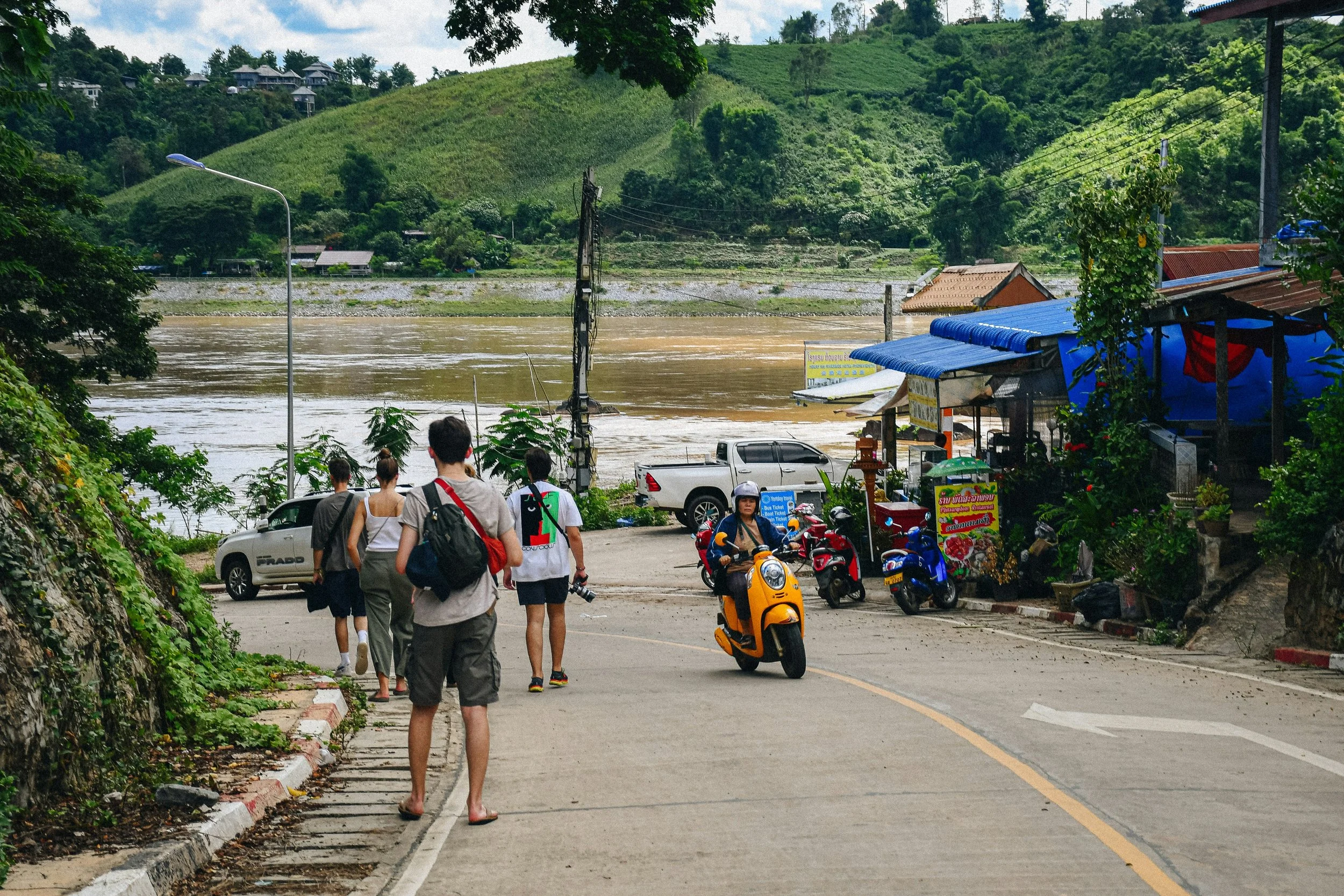
Laos remains largely a cash economy, especially outside major towns.
The local currency, the Lao kip, is used for most everyday purchases, though in some tourist areas prices may also be quoted in Thai baht or US dollars.
Practical tips:
ATMs are available in cities and larger towns like Vientiane, Luang Prabang, and Pakse, but may be scarce or unreliable in smaller places; it is wise to withdraw sufficient cash before heading into rural regions.
Cards are increasingly accepted in hotels and some restaurants, but bicycle tours that spend time in villages and markets will still rely heavily on cash.
Keep small denominations handy for snacks, coffee, temple donations, and local ferries.
Visa policies change over time, but many nationalities require a visa or can use an e‑visa or visa‑on‑arrival system; travellers should always check the latest entry requirements from official government or embassy sources well before departure.
Having printed copies of visa approvals, passport bio page, and insurance details stored separately from the originals is a simple but effective safeguard.
Shopping and supporting local communities
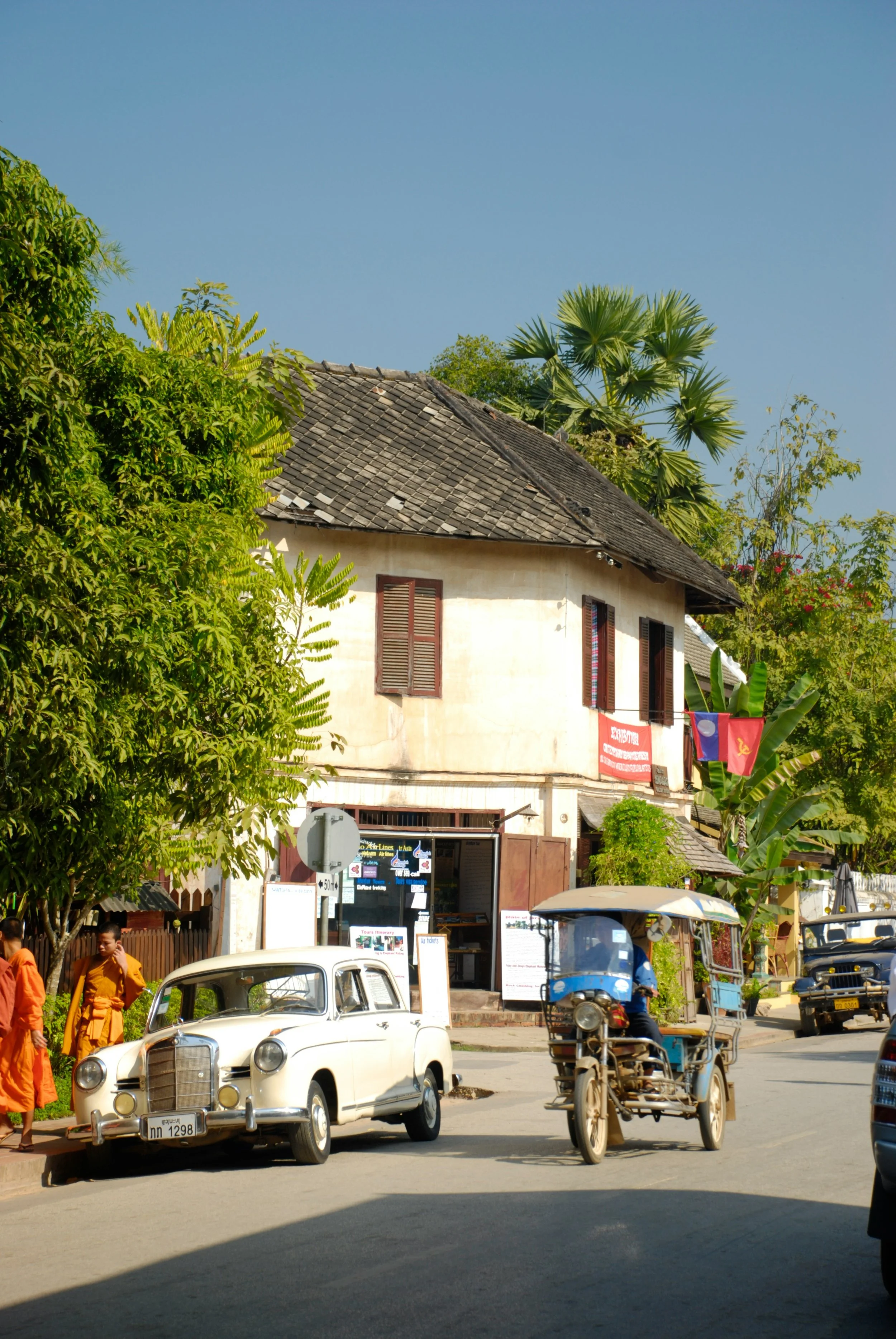
One of the pleasures of cycling Laos is the opportunity to support local communities directly in small, meaningful ways.
Handicrafts: Textiles, hand‑woven scarves, simple jewellery, ceramics, and bamboo products make excellent souvenirs and directly support village economies when bought from local cooperatives or markets.
Food and coffee: Trying regional coffee, herbal teas, snacks, and homemade preserves during rest stops is both a cultural experience and a way to spread tourism income more widely.
Bargaining is generally gentler here than in some neighbouring countries, but a friendly, respectful negotiation is still appropriate in many markets.
Avoid buying wildlife products or items that appear to be antiquities, both for ethical reasons and to prevent problems with customs when leaving the country.
Final thoughts: slow wheels, deep impressions
A cycling tour in Laos is less about chasing speed and more about inhabiting the country’s quiet rhythm—floating mist over the Mekong, temple drums at dawn, children waving from stilted houses as riders pass.
With thoughtful preparation around timing, packing, culture, health, safety, and money, the journey becomes smoother and more serene, allowing attention to rest on the details that make Laos so memorable.
Approached this way, travelling by bike here is not just a route between highlights, but a continuous, slow‑motion conversation with landscapes, communities, and a way of life that still values time over haste.
*Disclaimer: This article was researched and drafted with the assistance of artificial intelligence (AI)
