
Cycling Cambodia: Elegant, Slow-Travel Tips for a Temple‑Lined Bike Tour
Cambodia is one of Southeast Asia’s most evocative countries to discover by bicycle: flat countryside roads threading through rice paddies, jungle‑rimmed temple complexes, and riverfront streets where everyday life unfolds at a gentle pace. Before clipping in, however, a bit of planning will make a cycling tour here smoother, safer, and much more enjoyable—especially given the heat, mixed road conditions, and specific safety considerations in some regions.
Below is a curated, experience‑driven guide designed for travellers joining organised cycling tours in Cambodia, whether the journey is a relaxed loop around Angkor’s temples or a multi‑day adventure between Phnom Penh, Kampot, and the quiet backroads of the countryside.
Getting into the Cambodia cycling mindset
Cambodia’s terrain is predominantly flat or gently rolling, making it very accessible for a wide range of cyclists, including beginners and casual riders. The main challenges typically come from heat, humidity, and, in some areas, traffic and road conditions rather than from steep climbs.
Cycling offers a closer connection to Cambodia’s everyday life—passing stilted houses, schoolyards, pagodas, and roadside markets at a human pace that cars and buses rarely allow. Travellers who embrace an unhurried mindset, accept occasional dust or mud, and remain flexible about daily distances tend to enjoy their tours here the most.
When and where to ride in Cambodia
Choosing the right season is one of the most important decisions for a comfortable bike tour.
The best cycling conditions in Cambodia are usually found in the cooler, drier months, roughly from October or November through February or March, when temperatures are lower and roads are less prone to flooding. The rainy season, especially from May to October, can bring heavy downpours, muddy tracks, and occasional flooding, which can make cycling more tiring and logistically complicated.
Classic areas and routes for guided tours include:
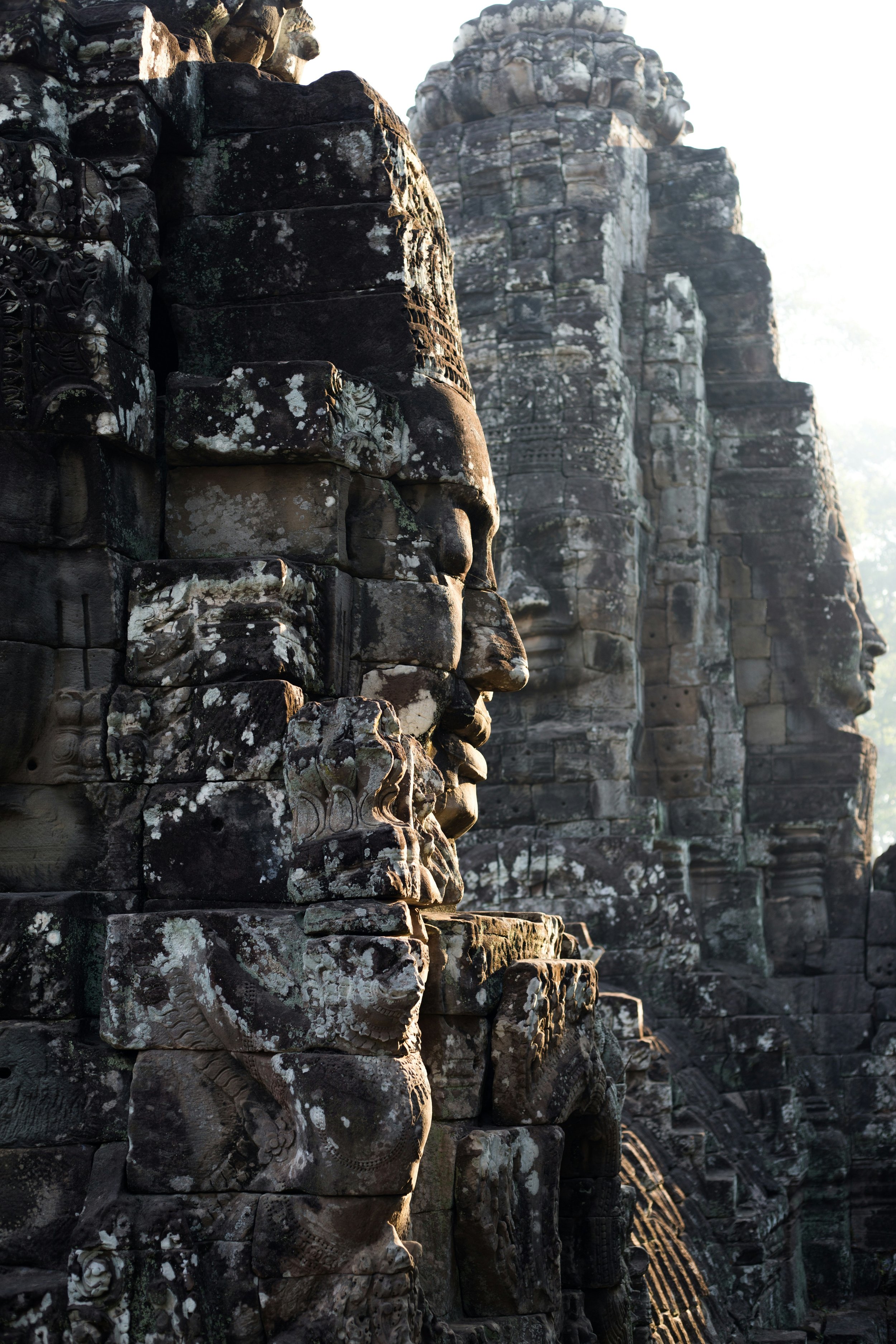
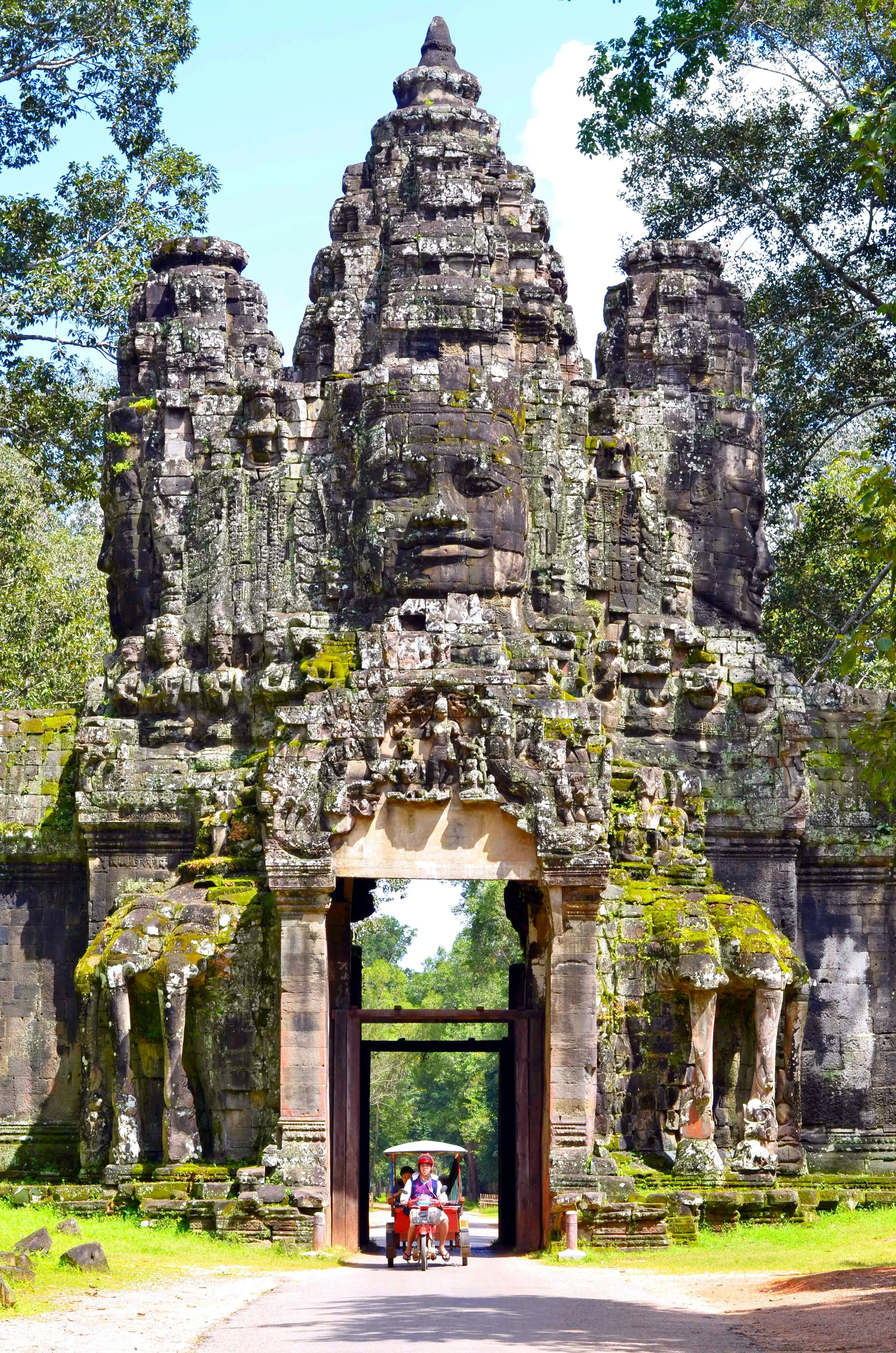
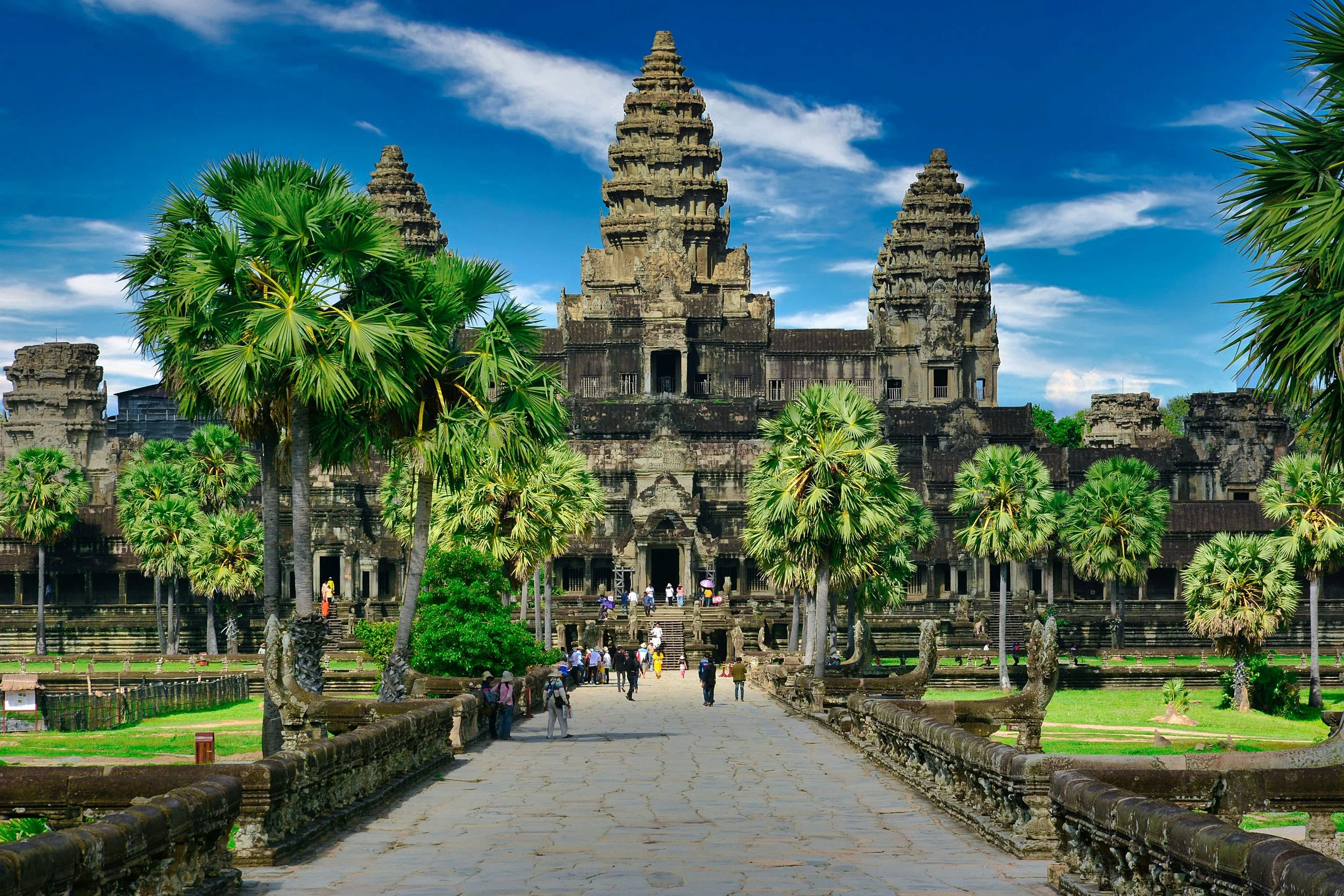
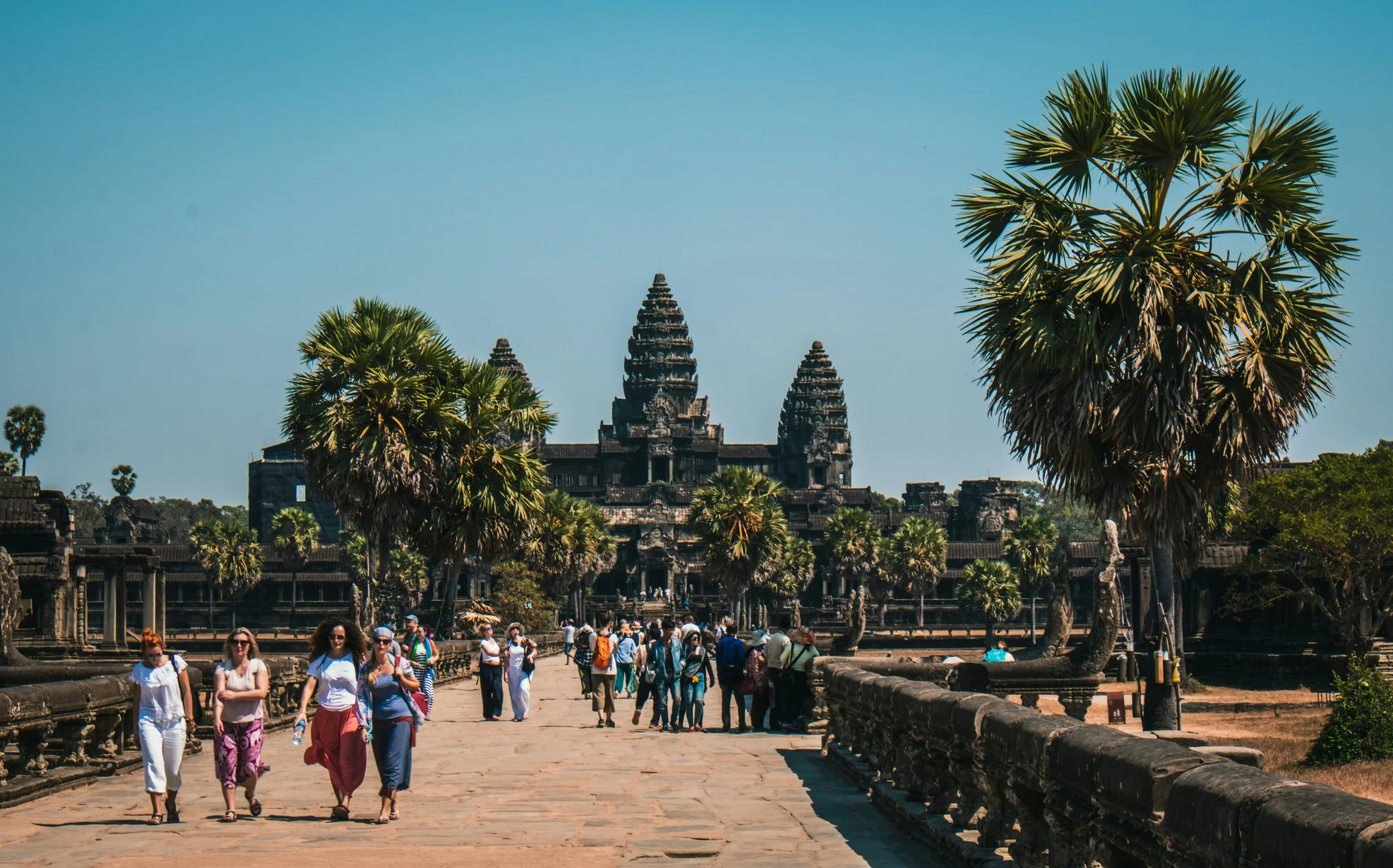
Siem Reap & Angkor temples: Flat terrain, ideal for all levels, combining dawn rides to Angkor Wat with quieter loops to Bayon, Ta Prohm, and smaller jungle‑wrapped ruins.
Phnom Penh to Kampot: A scenic journey from the capital to a laid‑back riverside town, passing villages, rice paddies, and pepper plantations en route.
Battambang countryside: Gentle rides among farms, small temples, and quiet backroads surrounding Cambodia’s second‑largest city.
Cardamom Mountains and coastal routes: For more adventurous riders, remote forest roads and hillier terrain in the southwest offer a wilder, more challenging experience.
Tour operators can tailor daily distances and difficulty to match fitness and experience, so clear communication about riding ability is essential when booking.
Packing smart for a Cambodia bike tour
On‑bike essentials
Most organised cycling holidays in Cambodia provide a well‑maintained bike and basic kit, but bringing personal essentials greatly improves comfort.
Helmet: Strongly recommended at all times; road safety standards vary, and a good helmet is a simple, vital layer of protection.
Cycling clothing: Lightweight, breathable jerseys and padded shorts help manage heat and humidity and make long days in the saddle more pleasant.
Gloves and sunglasses: Protect from vibration, dust, and bright sunlight on exposed roads.
Lights and visibility: A small front and rear light plus some reflective detail are useful for overcast days and early starts; night riding is best avoided.
Handlebar or frame bag: For sunscreen, camera, tissues, snacks, and a compact rain jacket.
Off‑bike wardrobe
Cambodia is culturally conservative, especially around temples and in rural communities, so packing with modesty and comfort in mind is important.
Light trousers or longer shorts and tops that cover shoulders for temple visits and village stays.
A scarf or shawl, useful both for sun protection and for extra coverage in religious sites.
Sandals or flip‑flops plus lightweight closed shoes for evenings or short walks.
A packable rain jacket or poncho during wetter months.
Documents and health kit
Passport, visa or e‑visa printouts, and travel insurance details stored both digitally and on paper.
A compact medical kit including pain relief, plasters, antiseptic wipes, rehydration salts, and any regular medication.
High‑SPF sunscreen and strong insect repellent to reduce the risks from sun exposure and mosquito‑borne diseases.
Health and healthcare: staying well while you ride
A brief visit to a travel clinic before departure can make a significant difference to health and peace of mind.
Many health authorities recommend that travellers to Cambodia ensure routine vaccinations are up to date and consider additional vaccines such as hepatitis A, typhoid, hepatitis B, and, depending on itinerary, Japanese encephalitis and rabies. Mosquito‑borne illnesses, including dengue, malaria in some areas, chikungunya, and Japanese encephalitis, are present, particularly in rural and forested regions and during the rainy season.
Practical precautions include:
Drinking bottled, boiled, or properly filtered water and avoiding untreated tap water.
Choosing busy eateries with good turnover and being cautious with undercooked meat and unwashed raw vegetables.
Using insect repellent, wearing long sleeves and trousers in the evening, and sleeping in screened or air‑conditioned rooms or under nets where needed.
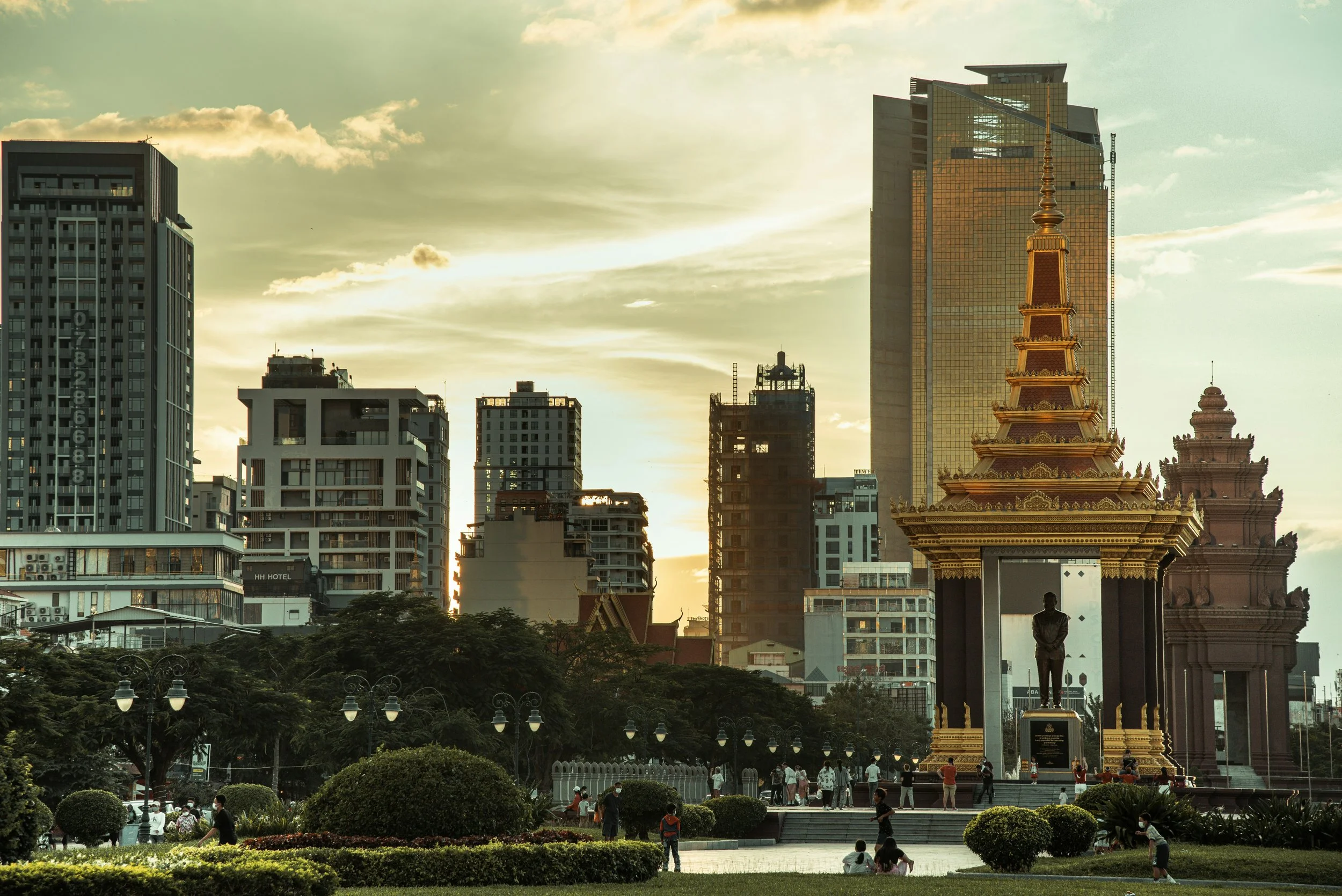
Major urban centres like Phnom Penh and Siem Reap have better medical facilities than smaller towns, but standards may still be lower than in many travellers’ home countries, making comprehensive travel insurance essential.
Culture, dress, and respectful behaviour
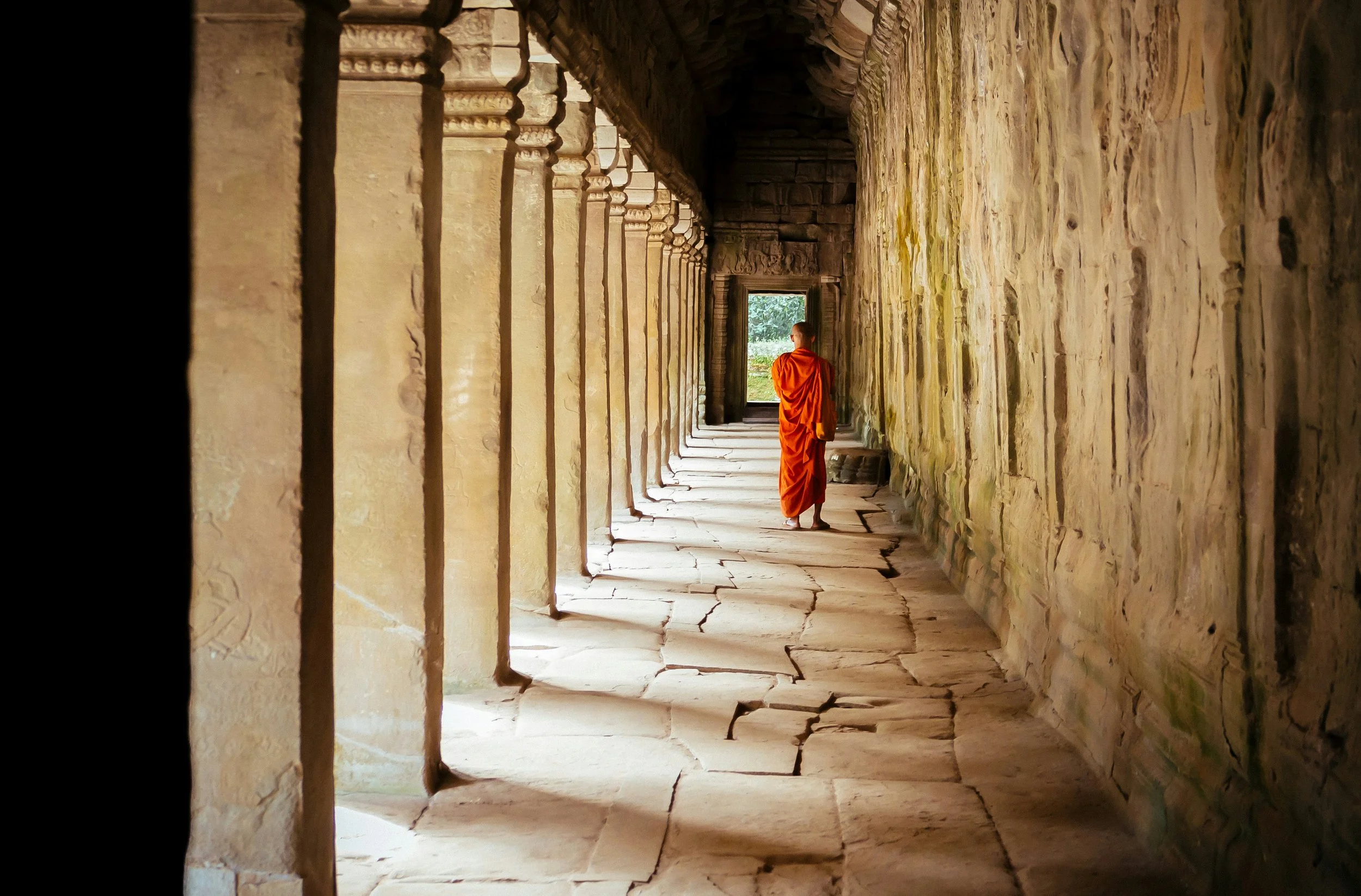
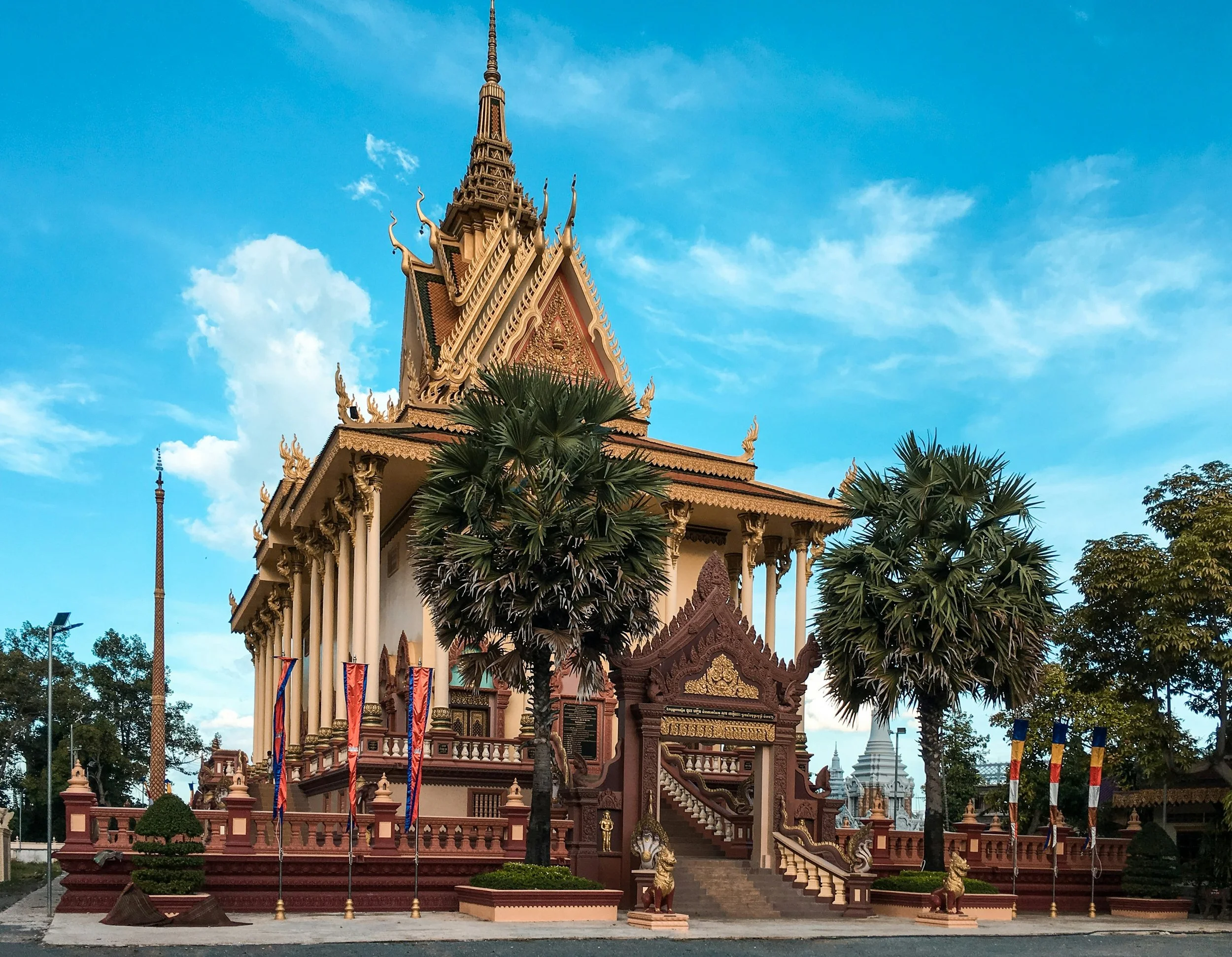
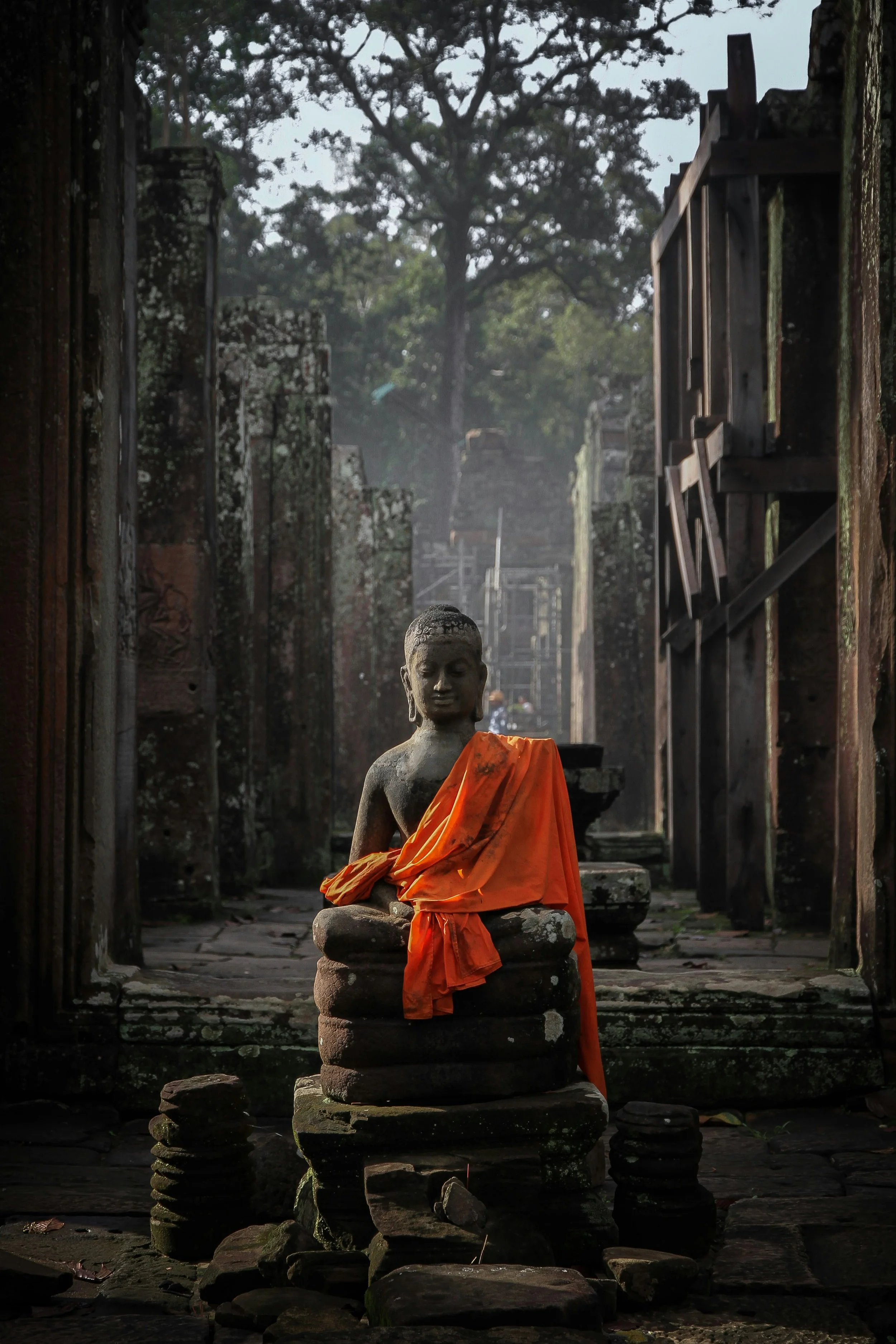
Cambodia’s cultural heart beats through its Buddhist pagodas, saffron‑robed monks, and daily rituals around temples and family life. Cyclists often pass very close to these scenes, so sensitivity matters.
Dress modestly in temples and villages: shoulders and knees covered, and avoid very tight or revealing sportswear when off the bike.
Remove shoes and hats when entering pagodas and many traditional homes; follow local cues and the guidance of tour leaders.
Use a calm tone and respectful body language, especially around religious sites and older people; public displays of affection are generally avoided.
Ask before taking close‑up photos, especially of monks, children, or people engaged in prayer or work.
Learning a few simple Khmer phrases, such as “Chum reap suor” (hello) and “Aw kun” (thank you), and greeting locals with a smile helps create warm, genuine exchanges along the route.
Laws, road rules, and riding responsibly
Cambodian roads are a mix of newer paved highways and older, sometimes rougher surfaces, with traffic that blends bicycles, scooters, trucks, and animal carts. Drivers are generally accustomed to “soft traffic” on the roadside, but predictability and caution are crucial for cyclists.
Key habits for guided tours include:
Riding in a straight line on the right‑hand side, avoiding sudden swerves, and signalling clearly.
Following the lead and instructions of the tour guide, who knows where traffic is busiest, where surfaces are poor, and when to dismount and walk.
Using helmets and lights as standard, even for short distances.
Traffic laws may not always be strictly enforced, so self‑discipline and defensive riding are vital.
Safety: traffic, petty crime, landmines, and borders
Cambodia is generally considered safe for tourists in popular areas such as Phnom Penh, Siem Reap, and coastal towns, but certain risks require attention.
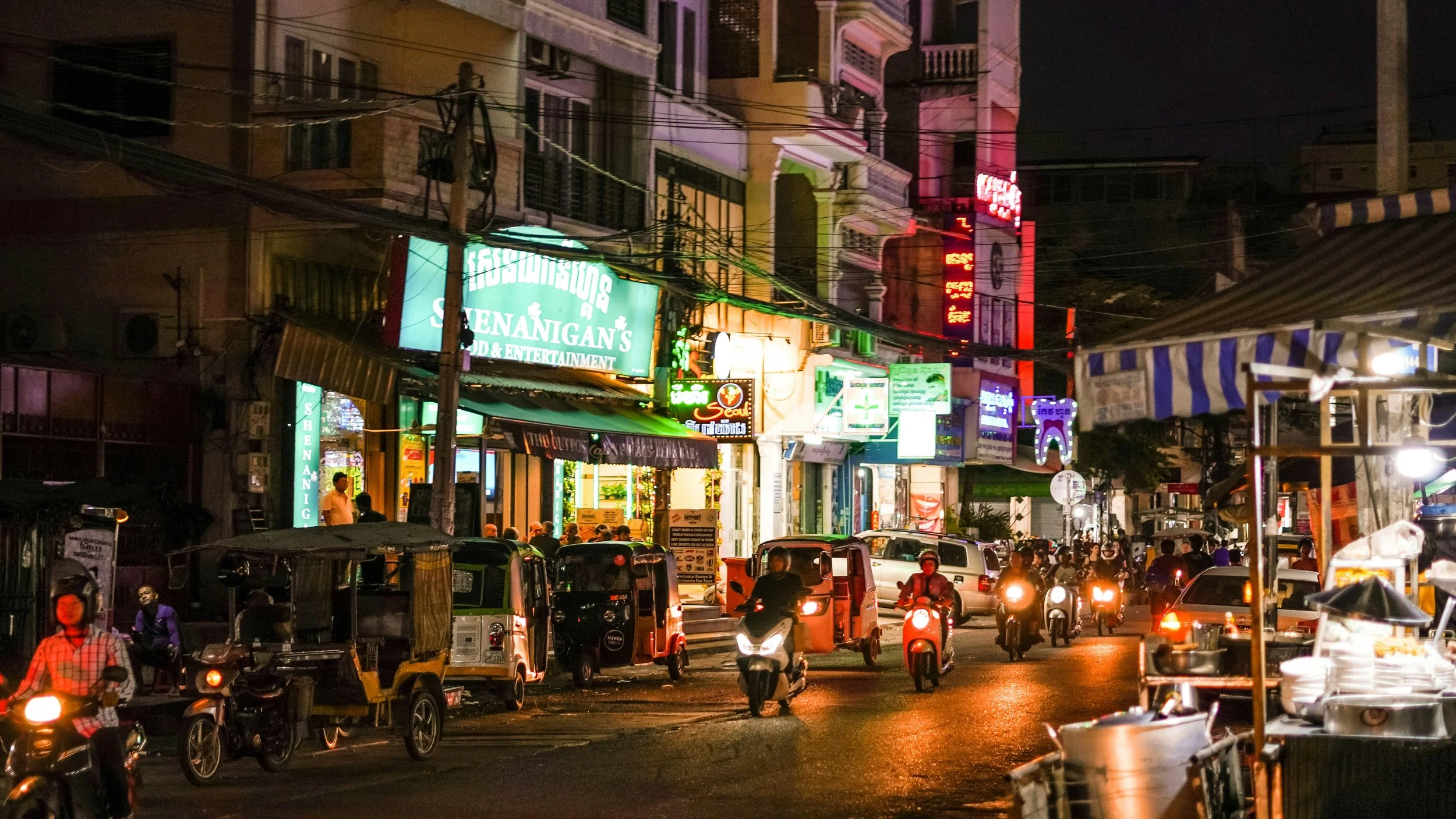
Traffic and road safety: Mixed traffic, variable road quality, and occasional aggressive driving—especially from larger vehicles—mean that cyclists should be particularly cautious near cities and on main highways.
Petty crime: Bag and phone snatching occur in urban and tourist areas; keeping valuables secure, avoiding distractions near roads, and using hotel safes where possible are sensible precautions.
Landmines and unexploded ordnance (UXO): Some rural and border regions, particularly in provinces like Battambang, Banteay Meanchey, Pursat, Siem Reap, Pailin, and Kampong Thom, still contain landmines and UXO. Travellers are advised to stay on established roads and paths, never walk off‑track in affected areas, and avoid touching any suspicious metal objects.
Border tensions: Several governments advise against travel within a certain distance of parts of the Cambodia–Thailand border due to past and ongoing military tensions and armed incidents.
Checking up‑to‑date official travel advisories before planning routes and relying on reputable tour operators who avoid high‑risk zones is essential.
Money, visas, and daily logistics
Cambodia’s economy remains largely cash‑based, especially away from the main tourist centres.
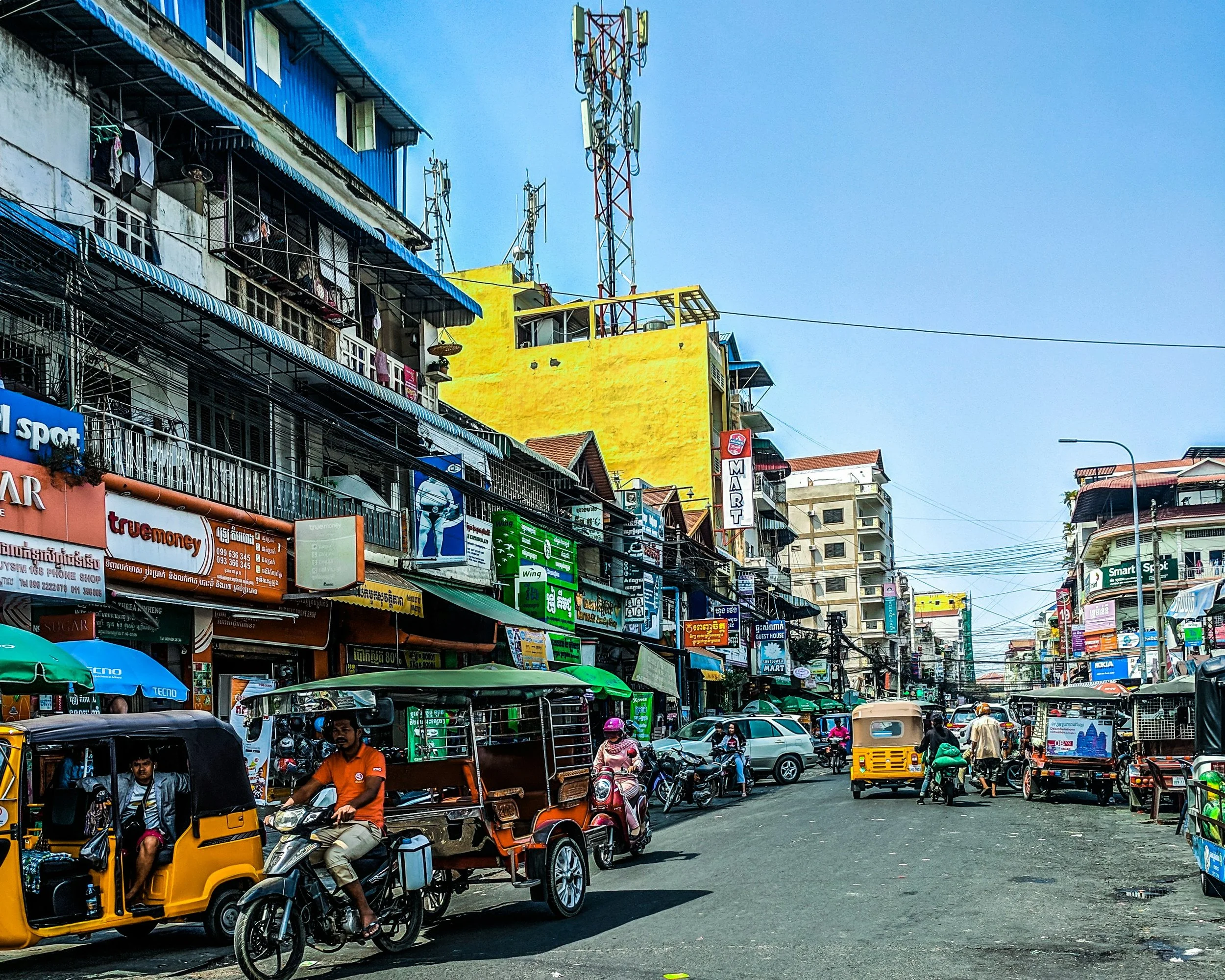
The local currency is the Cambodian riel, but US dollars are widely used in many tourist and urban transactions, with small change often given in riel. ATMs are common in cities like Phnom Penh and Siem Reap but become less frequent in smaller towns, so withdrawing enough cash before heading into rural cycling areas is wise.
Visa policies can change, but many nationalities need a visa, often available as an e‑visa or on arrival; checking current requirements on official government or embassy websites before departure is important. Keeping printed copies of visa confirmations, passport details, and insurance documents separate from originals provides an extra layer of security.
Shopping, food stops, and supporting local communities
One of the pleasures of cycling Cambodia is the chance to support small, local businesses in a direct, low‑impact way.
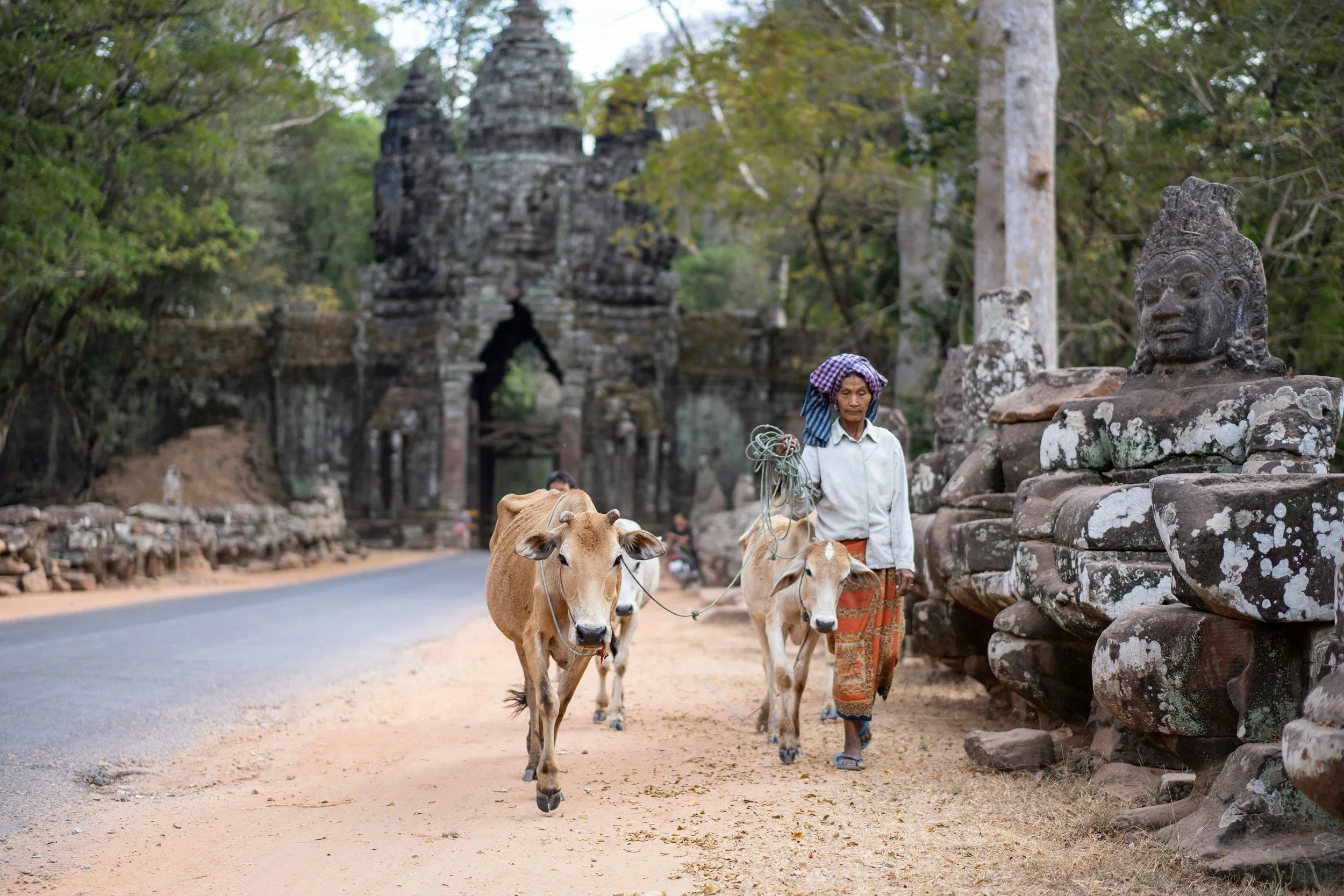
Roadside stalls and kiosks selling fresh fruit, drinks, snacks, and simple meals make ideal rest stops and spread tourism income to village economies.
Markets and cooperatives offer textiles, scarves, handicrafts, pepper, and local products that travel well as souvenirs when purchased from ethical, community‑based sellers.
Bargaining is common in markets, but a light, respectful approach keeps the experience pleasant for both sides. Avoid buying wildlife products or items that appear to be antiquities, both for ethical reasons and to avoid issues with customs when leaving Cambodia.
Final thoughts: slow wheels among ancient stones
A cycling tour in Cambodia is less about racing across a map and more about absorbing quiet details: sunrise light over Angkor’s towers, children waving from red‑dust lanes, monks’ robes drying in the temple breeze, and the rhythm of daily life along rivers and rice fields.
With deliberate preparation—choosing the right season and route, packing thoughtfully, respecting local culture, managing health and safety, and staying alert to official advice—two wheels become a graceful way to move through this remarkable country, letting each kilometre reveal another layer of its history and warmth.
*Disclaimer: This article was researched and drafted with the assistance of artificial intelligence (AI)
