

KNOW BEFORE YOU GO

Packing
Don't overpack - most essentials are available locally at low prices.
Light, comfortable cotton clothing for daily use
Long-sleeved shirt & pants for evenings (insect protection)
Sweater and/or warm clothes if heading North
Lightweight raincoat (all seasons)
Sturdy, easy-to-remove shoes
Prepare insect repellent & sunscreen

Cultural Differences
Learn a few local words - "hello", "thank you" go a long way
Dress modestly, especially in rural areas and religious sites
No public displays of affection
Always ask before photographing locals
Stay calm - losing your temper is considered very impolite
No drugs of any kind

Health Care
Sun: Drink plenty of water, apply sunscreen regularly to avoid heat stroke
Eyes: Wear sunglasses to prevent dust, debris, exhaust and other irritants
Food & water: Use bottled water only; peel or wash fruits and vegetables with purified water; avoid undercooked cuisine; always wash or sanitize your hands before eating
Medical: Bring copies of any prescriptions to avoid issue with the authorities; consult your doctor beforehand if you have pre-existing medical condition
Insurance: Travel insurance is required for all participants

The Law
Drugs: Strictly prohibited - severe penalties apply
Sexual tourism: Child sexual tourism is illegal and prosecuted internationally
Dress & Behavior
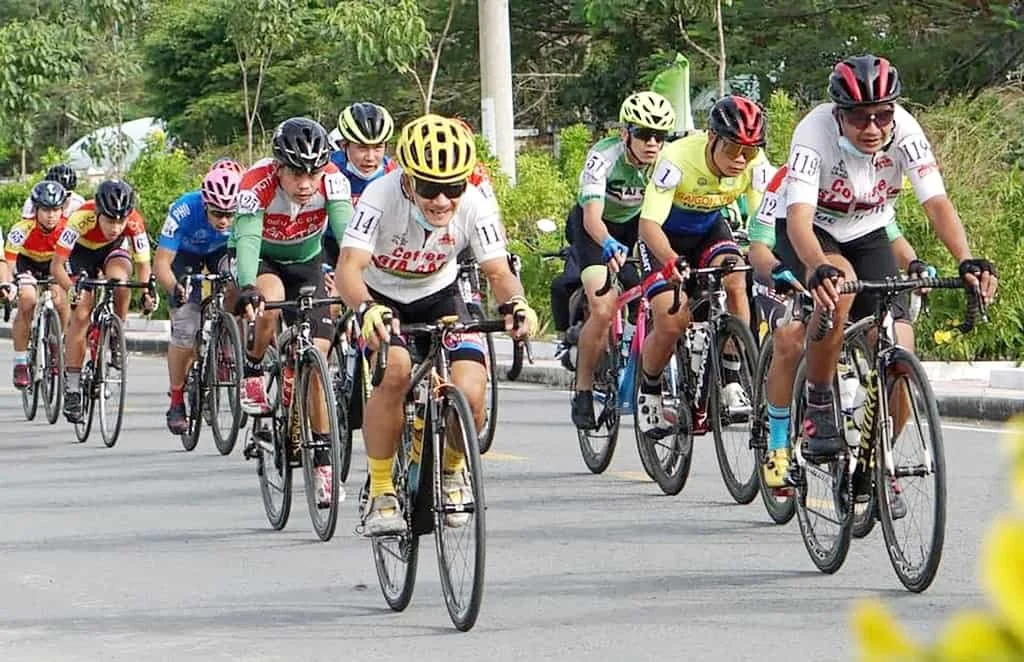
Always respect local dress standards, so as to not offend the locals.
No bare chests (men); no low-cut or tight sleeveless tops (women)
Cover knees and shoulders at religious sites
Remove shoes at temples, pagodas, and some homes
Don't touch anyone's head
Keep feet on the floor — never point with them or rest on furniture
Expect curious stares - privacy norms differ here

Safety
Avoid rickshaws ride after dark
Cross roads slowly, looking both ways continuously
Leave valuables, documents, and cards at your accommodation
Donate to charities rather than giving directly to beggars
Keep calm - losing your temper is counterproductive

Money
The currency in Vietnam is the Đồng (Vnd). Check online for the current exchange rate.
As in many parts of the world, the US dollar is also widely accepted for direct payment in hotels, restaurants, and shops.
Most currencies can easily be exchanged at the airport, other local kiosks.
Notify your bank of your travel plans to avoid issues.
Vietnam is mostly cash-based, but ATMs are widely available; International fees may incur
Tipping isn’t required, but small amounts of money for good services is generally appreciated.
Visas
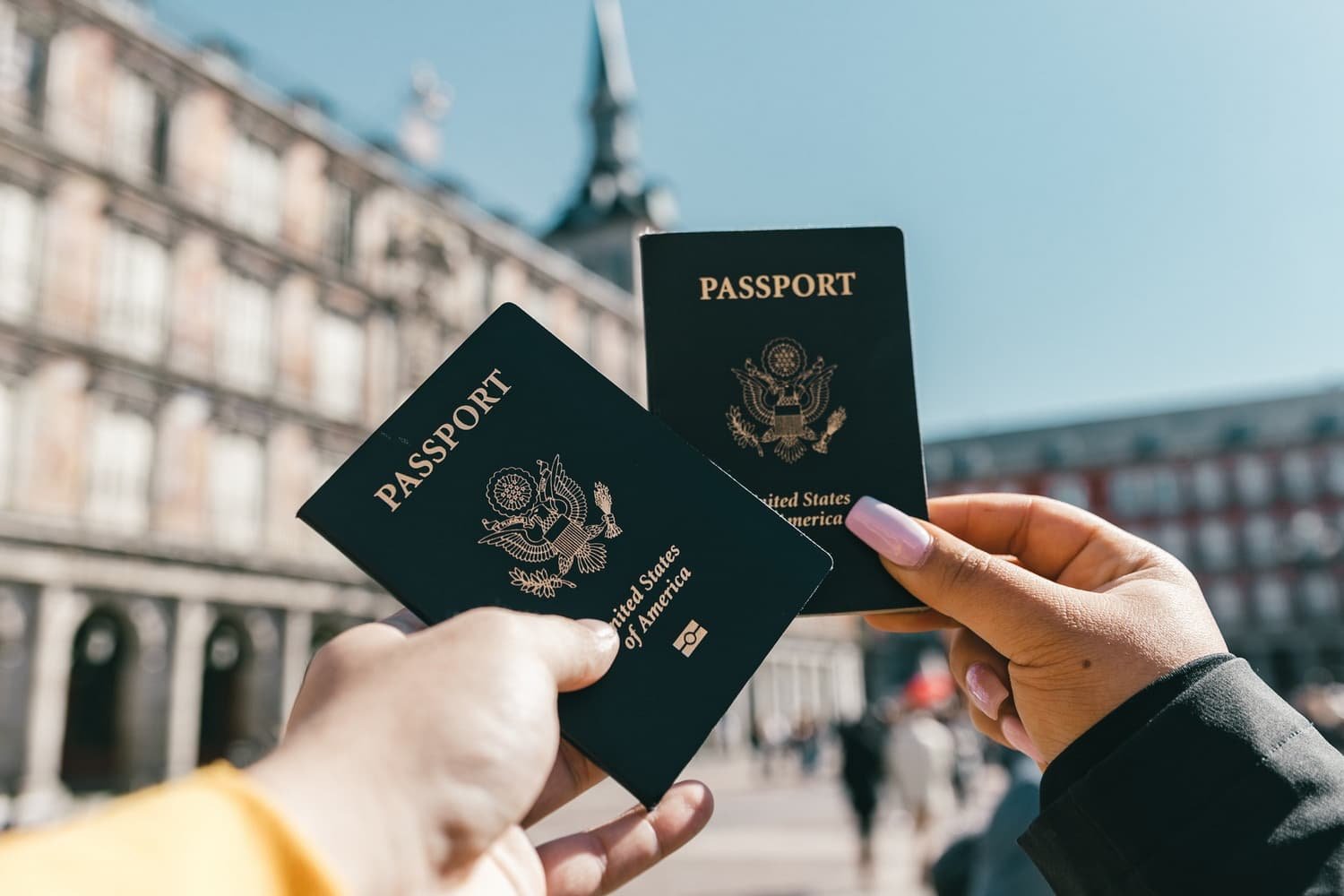
Visas for Vietnam are available on arrival, but authorization must be obtained in advance. To save delays at the airport upon arrival, visas are best obtained from the embassy or consulate in your home country before traveling. Vietnam Bike Tours can also help you to arrange for a Vietnamese VOA. Remember to make sure your passport is valid for at least six-months before travel.

Shopping
Keep it local. Buying local goods and services supports a sustainable local economy, and ensures that your money is well distributed.
Avoid purchasing products that exploit or destroy wildlife, including those that are made from animal skins, shells or horns.
Anything can be tailored, and often in a 24 hour time period. The national dress for women (ao dai) makes for a unique souvenir.
Jewelry (particularly silver jewelry) can be a good buy throughout the region and beautiful lacquer ware products are a bargain in Vietnam.
Always remember that in Asia street prices are "flexible" and you can bargain for the price you want.