
Pedaling Vietnam: Practical Tips for Your First Guided Cycling Tour
Vietnam is one of the best countries on Earth to discover by bicycle: quiet backroads, rice paddies, friendly locals, and food that makes every climb worth it. Before you clip in, though, a bit of preparation will make your cycling tour smoother, safer, and much more enjoyable.
Below is a personal-style guide written especially for travelers joining a cycling tour in Vietnam, whether it’s a gentle countryside ride around Hoi An or a multi‑day adventure in the mountains.



Get your mindset right
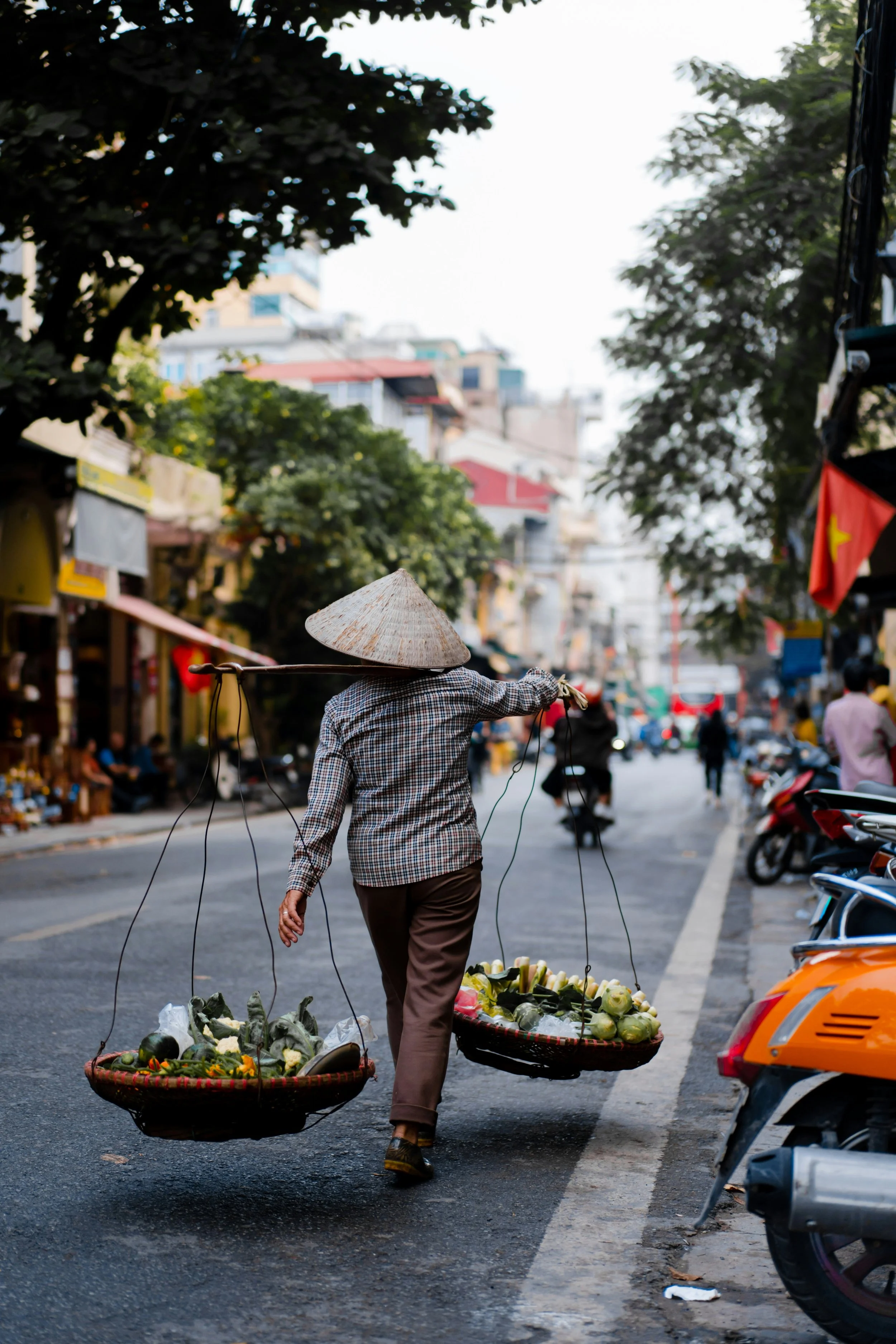
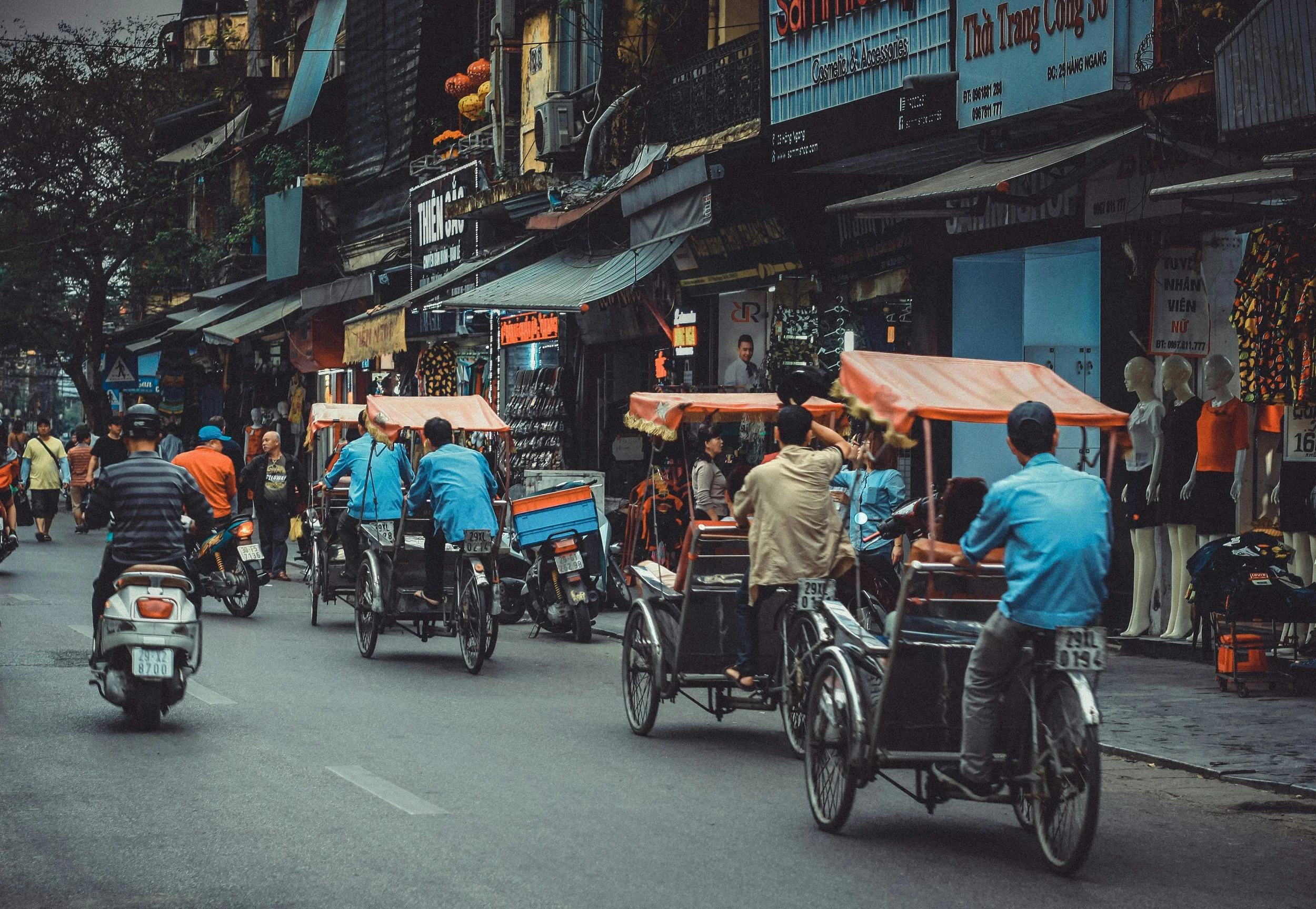
Vietnam is beautiful, intense, and occasionally chaotic. On a bike, you feel all of it at close range.
Expect contrasts: flat, easy days in the Mekong Delta and tougher, hilly stages in the north around Mai Chau, Ha Giang, or Sapa.
Traffic feels wild at first, but it follows its own “flow”; once you relax, ride predictably, and trust your guide, it becomes manageable.
The weather can be hot and humid, with sudden downpours in the rainy season, so embrace getting sweaty and sometimes soaked.
If you arrive with a flexible attitude — ready for the unexpected, open to new foods, and willing to slow down for cultural moments — you’ll enjoy the tour far more than if you chase perfect Strava data.

Choosing when and where to ride
Most organized bike tours in Vietnam will match the route to the season, but it helps to understand the basics.
In general, the drier months (roughly November – April) are more comfortable for cycling, especially in the north; some mountain areas can be cold in December – January.
Classic cycling areas include:
Hoi An countryside: flat, scenic, perfect for beginners and casual riders.
Mai Chau / northern valleys: rolling hills, village homestays, great for intermediate riders.
Sapa / Ha Giang: steep, challenging climbs and epic scenery for experienced cyclists.
If you’re booking a tour, be honest with the operator about your fitness level and experience. They can suggest routes and daily distances that feel challenging but still enjoyable.
